
A 48-Hour Itinerary: Lisbon’s Neighborhoods and Viewpoints
Where to Base Yourself for a Weekend
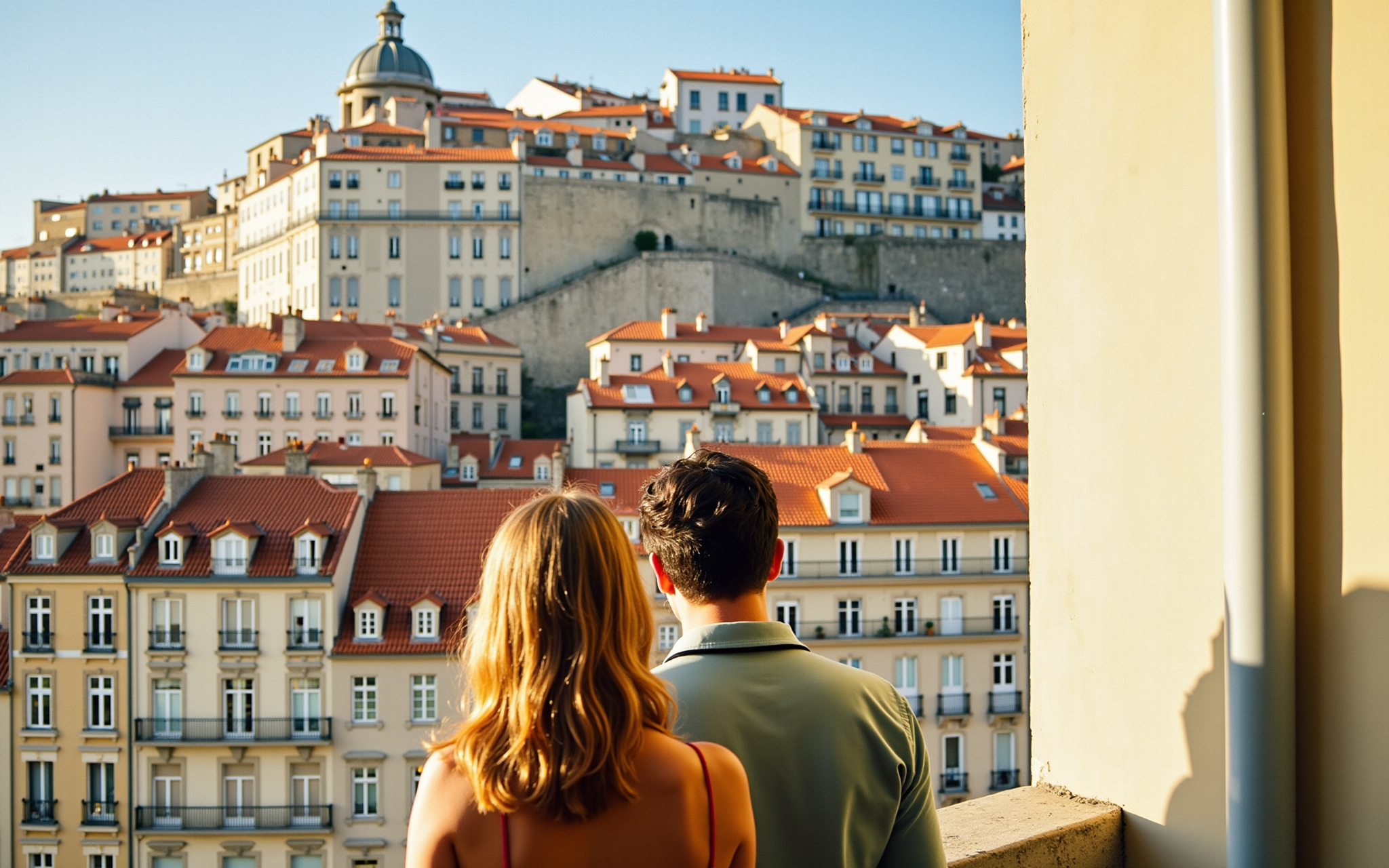
Lisbon spreads across seven hills along the Tagus River, and your choice of neighborhood will dictate the physical comfort of your trip. Most first-time visitors stay in the central triangle formed by Baixa, Chiado, and Alfama. Baixa is flat, grid-planned, and rebuilt after the 1755 earthquake, giving it a Hill Factor of 1 out of 5. It sits within walking distance of Rossio Square and puts you close to Praça do Comércio. Average hotel prices here are €153 per night.
Chiado is a sophisticated cultural hub with theaters and cafés, sitting just above Baixa with a Hill Factor of 2 out of 5. Hotels in Chiado also average €153 per night. If you prefer romance over flat streets, Alfama is the oldest neighborhood in the city. It requires climbing extremely steep hills with no metro access, earning a Hill Factor of 5 out of 5. Hotel prices in Alfama range from €100 to €250 per night depending on the view.
For budget-conscious travelers seeking authentic local vibes, Graça and Anjos offer average hotel prices between €65 and €95 per night. Graça is a working-class area that relies on Tram 28 for access and has a Hill Factor of 4 out of 5. Anjos connects via the Yellow Line metro and has a lower Hill Factor of 2 out of 5. If you want upscale design shops and gardens, Príncipe Real offers hotel prices from €150 to €300 per night with a Hill Factor of 3 out of 5. Cais do Sodré is well-connected via the Green Line metro, has a Hill Factor of 1 out of 5, and averages €130 to €200 per night for hotels.
Friday Night, Food, History, and the First View
A Friday-evening arrival allows you to settle in without rushing. Start your evening with dinner at Cervejaria Ramiro, a seafood institution that has been serving guests since 1956. The restaurant is located in Baixa, making it accessible after a day of travel. After dinner, walk to the historic Pastelaria Versailles for dessert. This bakery serves one of the city’s famous pastel de nata.
Conclude your night at Praça do Comércio on the Tagus waterfront. The square is free to enter and offers a grand view of the river. You can stop for a coffee at Martinho da Arcada, which was established in 1782 and holds the claim to being the oldest café in Lisbon. This location allows you to appreciate the history of the area before the crowds arrive the next day.
Saturday Morning, The Belém Peninsula and Architectural Grandeur
Saturday morning is best spent in Belém, located west of the city center. You should plan for a tram or bus commute of 30 to 40 minutes to reach this remote district. The area is quiet and monumental, making it ideal for early sightseeing.
Begin your visit at the Jerónimos Monastery, which is the most complete example of Manueline architecture in Portugal. Entry costs €10, but admission is free on the first Sunday of each month. Next, walk 15 minutes along the riverside path to the Belém Tower. This UNESCO World Heritage Site costs €6 to enter. Visiting early in the morning helps you avoid the crowds that build up after noon. The Padrao dos Descobrimentos is also located on the way to the tower and is worth a quick look.
Saturday Afternoon, Navigating Hills and Viewpoints
The afternoon requires navigating the steep terrain of Alfama and Graça. Alfama has a Hill Factor of 5 out of 5, while Graça sits at 4 out of 5. You should avoid relying on metro access in these zones, as neither neighborhood is served by the metro. Instead, use Tram 28 to move between areas, though you must be mindful that locals rely on this line for daily transit.
Stop at Miradouro de Santa Luzia for a key viewpoint overlooking the city. This spot offers breathtaking views of the Tagus River and is a favorite among visitors. If you need to cross between Baixa and Chiado, use the Elevador de Santa Justa. The lift was designed by an apprentice of Gustave Eiffel and costs €5.30 for a return ride in 2026. From the lift, Pink Street is just a 10-minute walk away.
Saturday Evening, Culture, Dining, and Nightlife Options
You have three distinct options for your Saturday evening depending on your energy level and interests. For an upscale experience, head to Príncipe Real to explore its design shops and gardens. The hotel range here is €150 to €300 per night, reflecting the area’s elegance.
If you prefer industrial creativity, visit LX Factory in Alcântara. This neighborhood is home to creative spaces and relies on train or bus access. For vibrant nightlife, Bairro Alto transforms into a party zone until 3am on weekends. The average hotel price in this bohemian district ranges from €120 to €180 per night. Another option is the Time Out Market, which contains 26 restaurants and 8 bars. You can find Manteigaria inside the market for some of the best pastel de nata in the city.
Sunday Morning, Flea Markets and Final Views
Sunday morning offers a chance to explore local traditions. You can catch the Feira da Ladra flea market at Campo de Santa Clara, which opens at 09:00 on Tuesdays and Saturdays. If you are visiting on a Sunday, this market is closed, so consider exploring Campo de Ourique instead. This neighborhood provides a quiet, local feel with residential streets.
For your final transit experience, take Tram 28 for its authentic character. It is a famous yellow tram that winds through the city’s narrow streets. If you want to see more history before you leave, visit the Museu Nacional do Azulejo in the Xabregas district. This museum occupies a 16th-century convent and traces the history of azulejo tiles from their Moorish origins. Entry is €5, and it opens at 10:00 Tuesday to Sunday. It is about a 15-minute bus ride from Alfama.
Practical Logistics and Cost Summary
Budgeting for your trip requires tracking specific entry fees and transit costs. Castelo de São Jorge sits at the top of Alfama and offers 360-degree views. Entry is €15 in 2026, though one source lists it as $10 per person. The terrace is noticeably less crowded before 10:00.
Public transport is essential for managing energy levels over the weekend. Tram Line 28 is a famous yellow tram that connects many key areas. For longer distances, buses and trains are necessary in neighborhoods like Belém and Alcântara where the metro does not reach. Walking between Baixa, Chiado, and Cais do Sodré is feasible due to their central location.
Use the Lisboa Card if you plan to use public transport frequently, as it covers fares and some attractions. Always wear proper walking shoes because Lisbon’s cobblestones are uneven and the hills are real. This itinerary balances iconic sights with practical navigation, ensuring you experience the city’s culture without exhaustion.
Sources
[S1] https://lisboavibes.com/lisbon-neighborhoods/, https://lisboavibes.com/lisbon-neighborhoods/ [S2] https://www.portugal.com/travel-itineraries/48-hours-in-lisbon-the-perfect-lisbon-weekend-itinerary/, https://www.portugal.com/travel-itineraries/48-hours-in-lisbon-the-perfect-lisbon-weekend-itinerary/ [S3] https://historicquarters.com/portugal/lisbon/weekend-in-lisbon-itinerary, https://historicquarters.com/portugal/lisbon/weekend-in-lisbon-itinerary [S4] https://www.lonelyplanet.com/articles/ultimate-weekend-in-lisbon, https://www.lonelyplanet.com/articles/ultimate-weekend-in-lisbon [S5] https://embracesomeplace.com/weekend-lisbon-portugal/, https://embracesomeplace.com/weekend-lisbon-portugal/