
Why Zanzibar is a Standout Pick for Beach Getaways
Turquoise waters meet ancient Swahili culture on this Indian Ocean archipelago.
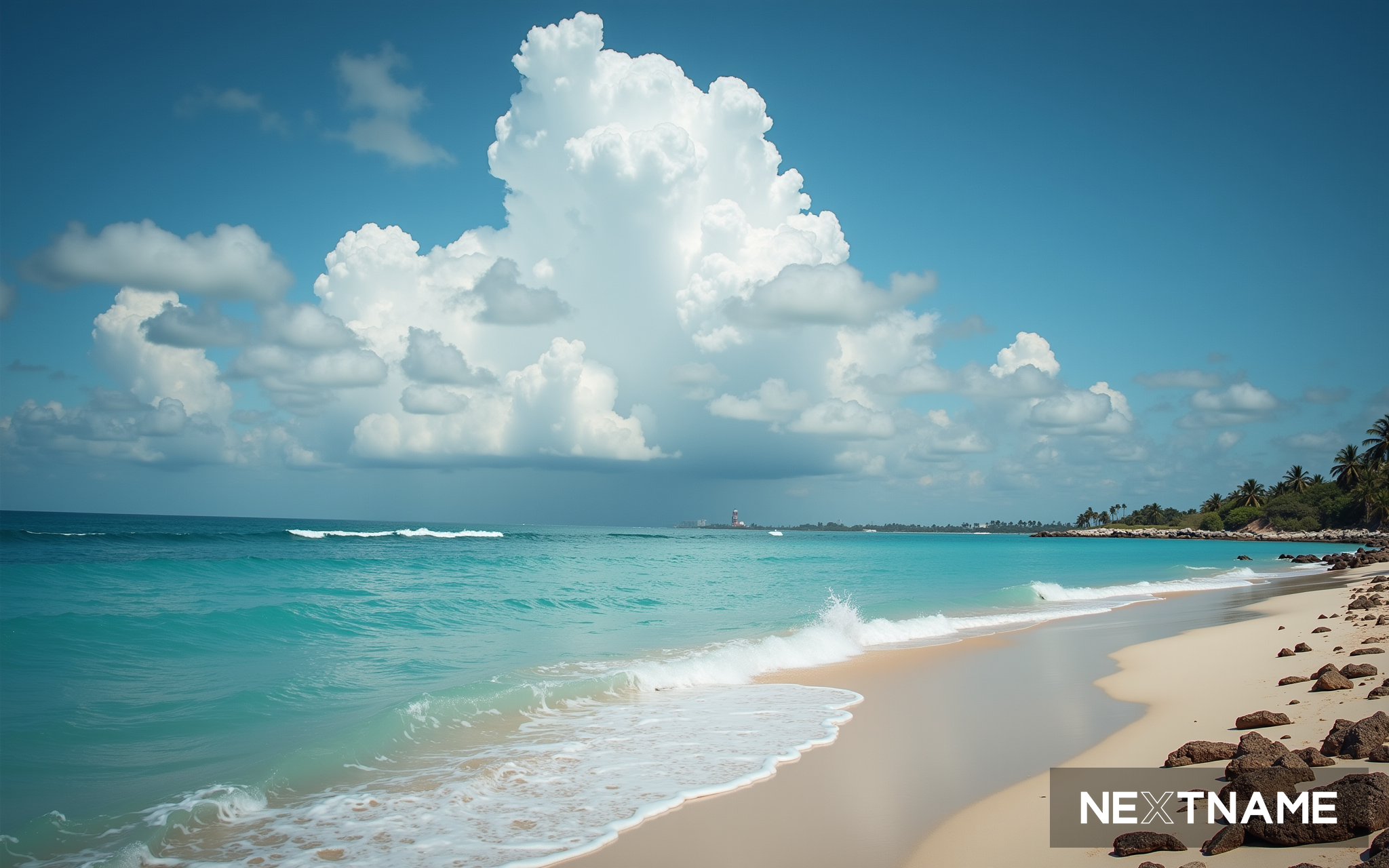
Zanzibar is more than just a coastal stop, it is a sensory experience where the sea breeze carries the scent of cloves, cinnamon, and cardamom from nearby spice farms. For anyone seeking a destination that fits the Beach Getaways theme, Zanzibar stands out because it balances pristine, white sand shores with a rich, multicultural history. You can spend your morning snorkeling in crystal clear waters and your afternoon wandering through a maze of coral block houses. It is a place where the rhythm of the tides dictates the pace of the day, making it one of the strongest contenders for a truly relaxing escape.
The Coastal Appeal of Zanzibar
What makes Zanzibar a powerhouse in the Beach Getaways cluster is the variety of its coastlines. You are not limited to one type of beach experience. If you want the classic image of a tropical paradise, you will find it in Kendwa, where the coral reefs provide superb visibility and the sand is blindingly white. For those who prefer an active coast, Paje is a popular spot for kitesurfing and beginner snorkeling.
The island also offers a slower, more authentic side. In Jambiani, you can walk along the shore to local fish markets and experience the tide as it recedes, leaving behind tide pools and local fishermen at work. are looking for the luxury of a high end resort in Bwejuu or the quiet charm of a family run spot in Mikindani, the island provides a coastal backdrop that feels both exotic and welcoming.
Experiences Beyond the Sand
While the beaches are the primary draw, the island offers activities that add layers to your trip. You should start in Stone Town, the historic heart of the island. A Stone Town Walking Tour allows you to wander narrow alleys, spot carved wooden doors, and hear Swahili chants. You can visit the Sundial Museum to learn about Swahili trade history inside a former Arab house or visit the Sultan’s Palace and the House of Wonders.
If you want to get back to nature, Jozani Chwaka Bay National Park is a priority. You can walk the boardwalks through a forest home to the red colobus monkey. For a change of pace, take a boat to Prison Island (Changuu) to tour the former slave prison and see giant tortoises. If you have more time, the areas of Pemba and Mafia are known for providing ideal visibility for diving and snorkeling. For a bit of greenery within the city, a sunrise stroll through Mnazi Mmoja Park might let you spot flamingos among the mangroves.
Where to Base Your Stay
Depending on your vibe, you will want to split your time between the historic center and the beach. For a cultural start, The African House in Stone Town is a restored 19th century house with a rooftop terrace that overlooks the winding alleys. If you prefer a more modern feel in the city, Hotel Marine is a solid mid range option.
Once you move toward the coast, your choice depends on the activity level you crave. In Jambiani, you can choose between the simple, thatch roof rooms of Jambiani Bungalows or the sleek luxury of The Palms Zanzibar, which features an infinity pool that spills into the sea. For those heading south, Kisiwa House in Mikindani is a breezy, family run spot that lets you avoid the larger tourist crowds. If you are looking for high end luxury in the south east, The Zanzibar in Bwejuu is the primary choice.
| Neighborhood | Vibe | Best For |
|---|---|---|
| Stone Town | Historic and Bustling | Culture, shopping, and architecture |
| Kendwa | Pristine and Calm | Sunbathing and high visibility swimming |
| Paje | Sporty and Energetic | Kitesurfing and social beach scenes |
| Jambiani | Local and Quiet | Authentic village life and relaxation |
| Nungwi | Lively and Busy | Boat trips and beach activities |
The Flavors of the Island
Eating in Zanzibar is an event in itself. You cannot leave without visiting the Forodhani Gardens Night Market. Under the glow of lanterns, you can try grilled octopus skewers and the famous Zanzibar pizza, which is topped with tomato, onion, and coconut milk. For a more traditional meal, the urojo soup (a bright orange noodle broth) is a local favorite.
For a high end dining experience, The Rock Restaurant is the most iconic spot on the island. You dine on fresh seafood while perched on a reef, though you must time your visit with the tides to ensure you can get back to the shore. If you are looking for something different, Seaview Indian Restaurant offers a taste of the island's diverse heritage. To wind down, head to Lukmaan Bar to sip locally brewed palm wine while listening to the rhythmic sounds of taarab music.
Planning Your Visit
Timing is everything when visiting Zanzibar. The long dry season from June to October is widely considered the best time to visit, as you will find consistent blue skies, low humidity, and calm seas. Temperatures usually hover around 26°C during this period.
If you visit in January or February, be prepared for more heat and larger crowds. February is particularly vibrant due to the Sauti za Busara music festival, which fills Stone Town with live bands. However, this means you will need to book your accommodations and flights 6 to 8 weeks in advance. Keep in mind that most Western travelers require a visa to enter Tanzania.