
Why Oaxaca is a Top Choice for Historic & Cultural Cities
A city where Zapotec ruins and colonial baroque architecture meet a world famous food scene.
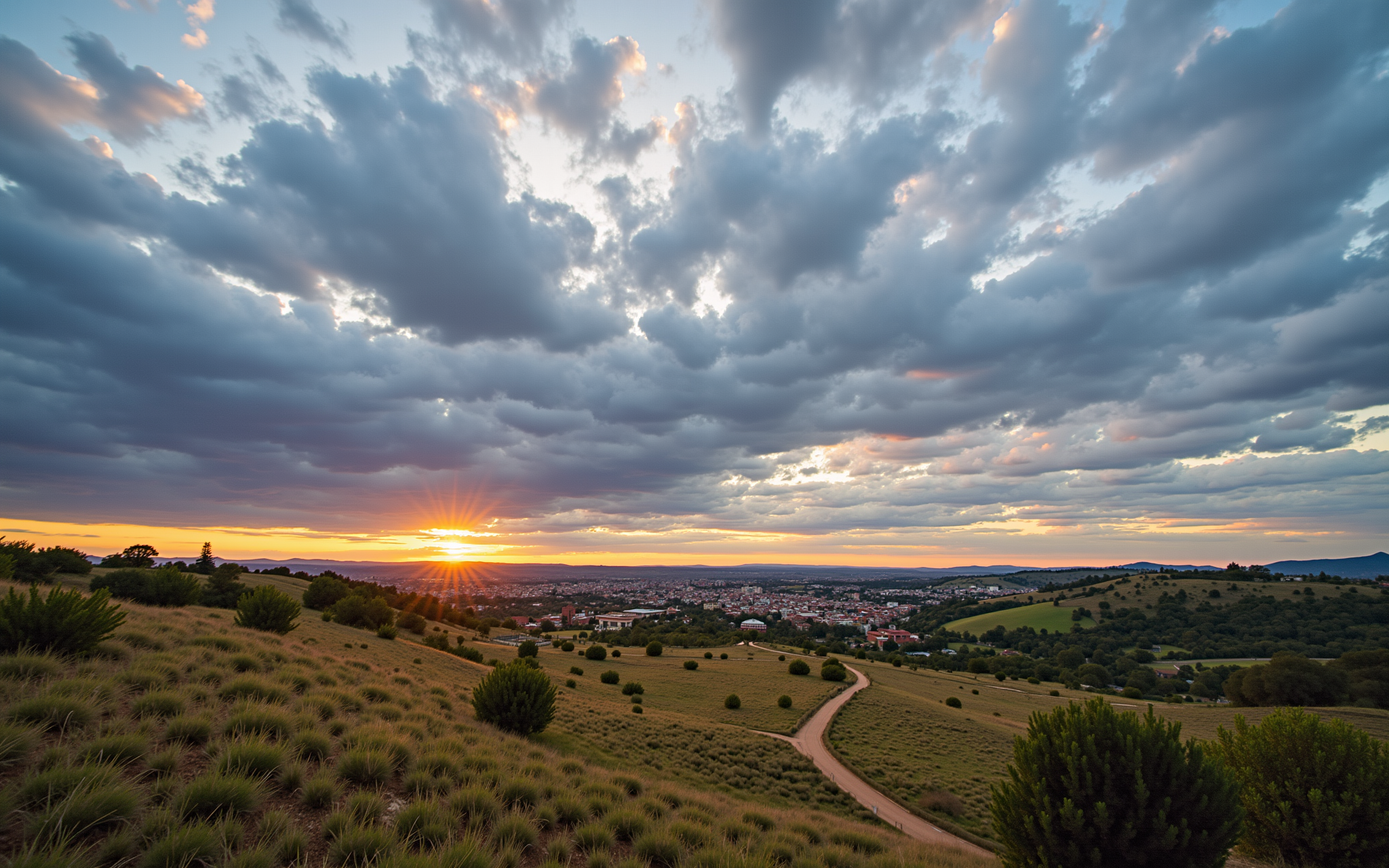
Oaxaca is a place you stumble into and never want to leave, making it one of the strongest representatives of the Historic & Cultural Cities theme. The city is defined by its layered identity, where ancient Zapotec foundations support a Spanish colonial core of pastel walls and cobblestone streets. You will find that culture here is not something kept behind museum glass, but something that lives in the scent of fresh tortillas and the smoke of mezcal flowing from local bottles.
A Living Museum of Architecture and History
To understand why Oaxaca fits this cluster, you have to look at the physical layers of the city. The colonial center is dominated by the Santo Domingo de Guzmán, a baroque church and former monastery. You can enter for free to see a gold leaf interior that reflects the immense wealth and religious influence of the colonial era.
For a look at the pre-Hispanic era, you will want to take the early bus to Monte Albán. This site consists of sprawling Zapotec ruins perched on a hill, offering sweeping views of the valley below. The entry fee is around $5, and you should plan for 2 to 3 hours to explore the site on foot. The contrast between the high altitude ruins of Monte Albán and the gold leaf of Santo Domingo de Guzmán provides a concrete timeline of the region's history.
The Sensory Culture of Markets and Mezcal
In Oaxaca, culture is tasted. The city is a powerhouse of culinary tradition, and the markets are the best place to experience this. You should head to the Mercado 20 de Noviembre, a bustling hub where you can sample chapulines (grasshoppers), mole negro, and fresh pressed agua de horchata. A full plate here usually costs around $10.
If you are looking for a more specific local staple, visit Tlayudas Doña Cruz. You can order a massive crispy tortilla loaded with beans, cheese, chorizo, and salsa for about $6. For those who prefer a slower pace, the Andador del Río is a paved riverside walk lined with murals and street art that showcases the city's modern creative pulse.
As the sun sets, the cultural experience shifts to the drinks. You can visit Mezcalería Los Danzantes for a rooftop spot with mezcal flights and live jazz, where drinks cost around $12. If you prefer something more intimate, La Nueva Babel in the Centro serves local indie acts and craft beers with a cover charge of about $5.
Where to Base Your Stay
Depending on the vibe you want, you can choose from several distinct neighborhoods. Jalatlaco is known for its changing murals and quiet streets. If you stay here, Casa de la Luz offers a quiet courtyard and rooftop views of the cathedral for $55 to $70 per night.
The Centro Historico is the heart of the action. For budget options, Hostal del Sol provides free pan de yema for breakfast and puts you steps from the Zócalo for $60 to $80 per night. If you prefer mid range comfort, Casa de los Frailes features colonial arches and a rooftop pool, pricing between $150 and $180. For those seeking luxury, Casa Oaxaca offers a Michelin starred kitchen and a spa using local herbs for $350 to $450 per night, while Hotel Quinta Real is a restored mansion with a lush garden.
If you want to be slightly away from the center, the Xochimilco neighborhood hums with the scent of street stalls. Hotel Azul is a great pick here, offering colorful rooms with kitchenettes for $130 to $160 per night.
Planning Your Visit
The timing of your trip significantly affects your experience of the city. Oaxaca is located in the high desert of the Sierra Madre Mountains, which keeps the climate mild for most of the year.
| Season | Weather | Crowd Level | Pricing |
|---|---|---|---|
| January to March | Dry, crisp mornings, sunny afternoons | Low | Hotels 20 to 30% cheaper |
| April to June | Heat builds, dusty air, rain starts late June | Rising (Busy in May) | Mid-range |
If you have a half day to spare, you should leave the city for Hierve el Agua. These petrified waterfalls and natural swimming pools are set in the mountains and cost $12 for entry plus transport.