
Why Santa Fe is a Standout Pick for Historic & Cultural Cities
A high-desert sanctuary where adobe architecture and fine art collide.
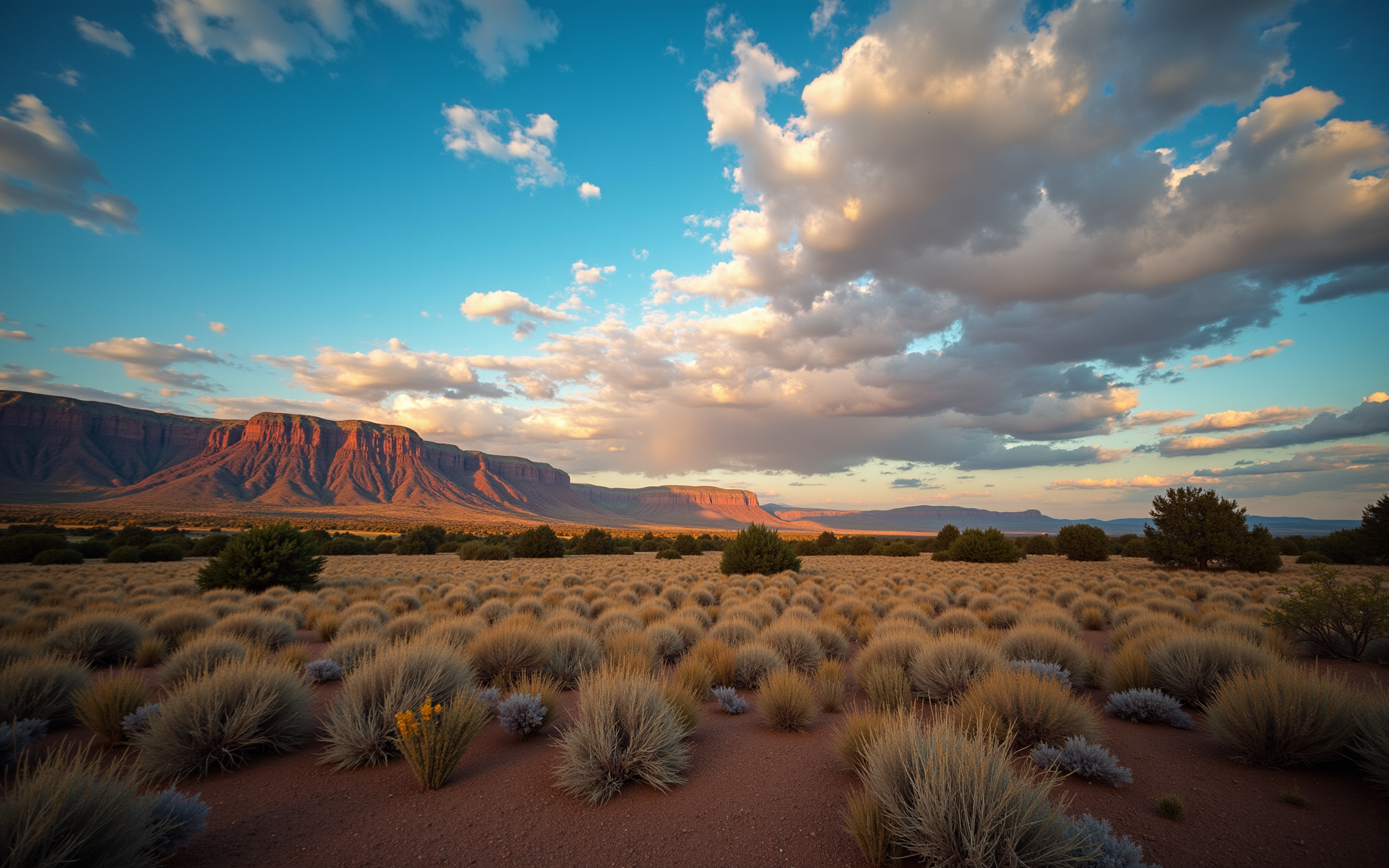
Santa Fe is more than a stop in New Mexico; it is a primary example of why the Historic & Cultural Cities cluster exists. The city feels like a high-desert town that never stopped dreaming, where the pace of life slows down to match the drifting scent of fresh-baked sopapillas. With its maze of adobe streets and a history that stretches back centuries, Santa Fe offers a specific kind of cultural depth that you will not find in the typical metropolitan hub. It is a place where architecture, art, and ancestry are not just preserved in museums but are lived in every day.
A Masterclass in Adobe and History
What makes Santa Fe fit the Historic & Cultural Cities theme so well is its commitment to a cohesive visual and historical identity. The heart of the city is The Plaza, a central point that anchors the surrounding adobe structures. Here, you can visit the Palace of the Governors, which holds the title of the oldest public building in the U.S. Walking through this area feels like moving through a living archive. The city has avoided the sterile feel of many modern capitals, instead maintaining a low-slung, earthy profile that reflects its indigenous and Spanish roots.
The cultural layer extends beyond the buildings to the very air of the city. You will notice that the architecture is not just a style but a statement of endurance. The thick walls and flat roofs of the adobe buildings are designed for the desert, and they create a quiet, grounded atmosphere that encourages you to linger. This dedication to heritage is why Santa Fe stands as one of the strongest picks for any traveler seeking a destination defined by its architecture and layered past.
Art and Vistas in the High Desert
If you are drawn to the arts, your first stop should be Canyon Road. This street is essentially an open-air museum where you can stroll past more than 100 galleries. The offerings range from contemporary installations to traditional Native-American jewelry, and the galleries often spill out onto the sidewalks. It is one of the most concentrated art districts in the country, allowing you to see a vast array of styles within a few blocks.
For a more focused experience, the Georgia O’Keeffe Museum is essential. Located just off the Plaza in a sleek, climate-controlled building, it houses the most iconic landscapes and portraits of the artist. If you prefer a broader look at global traditions, the Museum of International Folk Art provides a different slice of the city’s identity. To cap off your sightseeing, climb the historic steps to the St. John’s College rooftop. This spot provides a 360 degree view of the Sangre de Cristo foothills, and the sunset here is a perfect moment for photography.
Finding Your Base in the City
Depending on your budget and the vibe you prefer, you have a few distinct options for where to stay. If you want to be in the middle of the action, the Downtown Plaza area is your best bet. The Drury Plaza Hotel Santa Fe puts you within a 5-minute walk of the Plaza, Canyon Road, and the major museums, and it includes a free hot-breakfast buffet and a heated pool.
For something more artistic and local, look toward the Railyard Arts District. Casa Sol y Luna is a tiny adobe-style inn with a rooftop garden that makes you feel like you are staying in a local’s home. It is an ideal base if you want to spend your mornings exploring the Railyard, where craft breweries and a weekend market offer a more relaxed, less touristy atmosphere. If you prefer a budget-friendly, no-frills option, Motel 6 Santa Fe, Near I-25 provides clean rooms and easy highway access on the South-side. For those who want an authentic adobe experience slightly north of the city center, Hotel Chimayó offers historic rooms that feel deeply rooted in the region.
The Flavors of New Mexico
You cannot experience the culture of Santa Fe without eating your way through its bold, chili-heavy menu. A visit to The Shed is a rite of passage. You should try the green-chile stew or the Salsa Brava, a spicy tomato-chili sauce poured over pork shoulder that locals consider the city’s best comfort bite. For another local favorite, head to La Casa Blanca for their blue-corn enchiladas.
If you are looking for a more intimate setting, La Casa Sena serves a hearty posole (hominy stew) in a candle-lit adobe courtyard. The pork is melt-in-your-mouth tender, and the atmosphere is perfectly suited for a slow dinner. You might also spend an evening at Casa Chimayo Restaurant for a traditional Mexican meal. If you visit between March 2 and March 11, you can take advantage of Santa Fe Restaurant Week, where over 40 local eateries offer special set menus at fixed prices.
Planning Your Visit
The experience of Santa Fe changes significantly depending on when you arrive. The weather fluctuates quite a bit, and the crowds follow the temperature.
| Season | Average Weather | Crowd Level | Vibe |
|---|---|---|---|
| Winter (Jan-Feb) | 20°F to 50°F | Low | Quiet museums and cozy stews |
| Spring (March) | 40°F to 70°F | Moderate | Restaurant Week and film festivals |
| Summer (June-Sept) | Warm and Sunny | High | Peak art gallery season |
| Autumn (Oct-Dec) | Cool and Crisp | Moderate | High-desert colors and local markets |