
Why Ubud is a Powerhouse for Historic & Cultural Cities
A blend of sacred temples, art galleries, and living traditions in the heart of Bali.
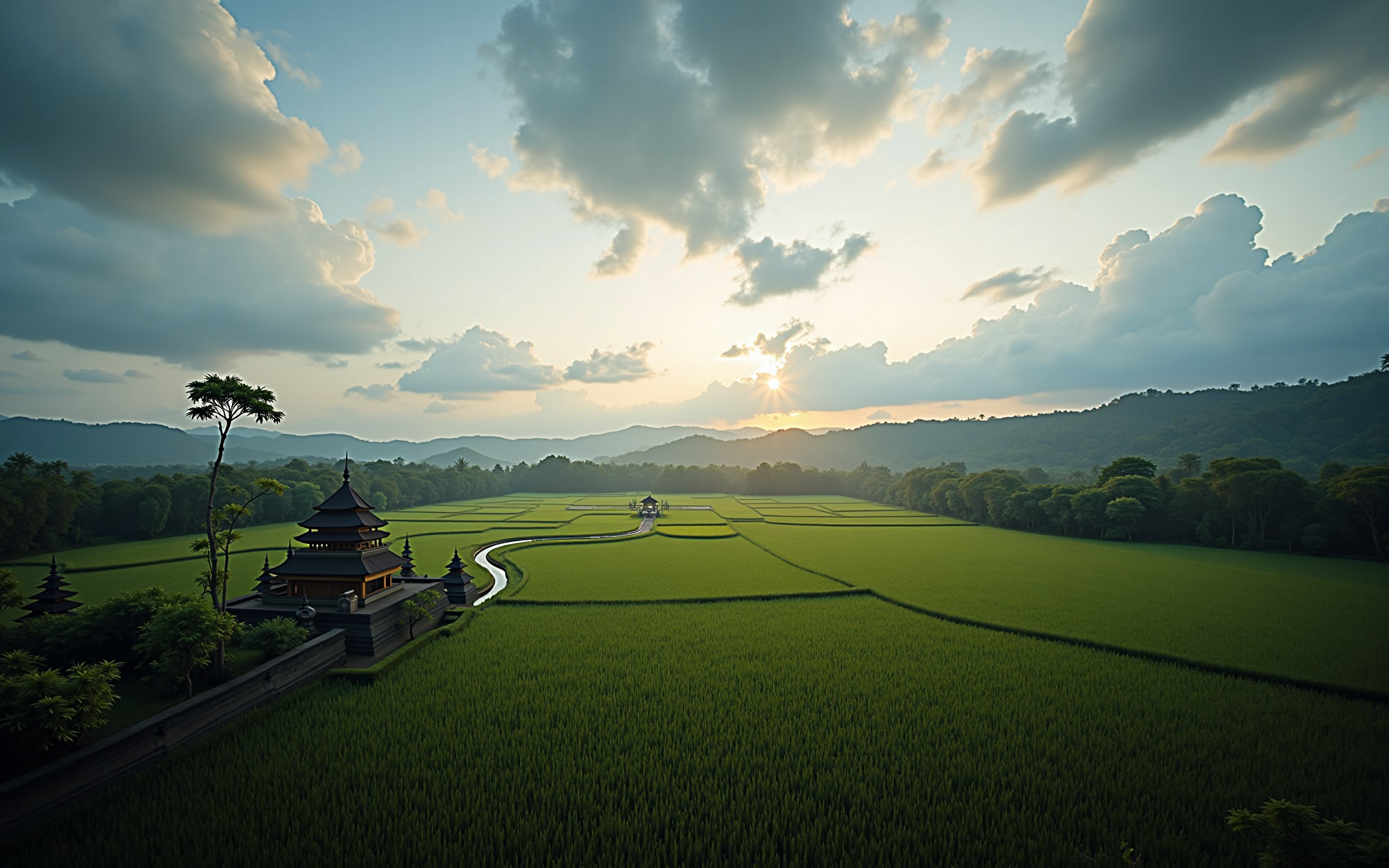
Ubud is a standout choice for anyone exploring the Historic & Cultural Cities cluster because it functions as a living museum of Balinese identity. While many visit Bali for the beaches, you will find that Ubud is where the island's spiritual and artistic heart beats the loudest. The town is defined by a layered history that you can see in everything from the ancient statues in the Monkey Forest to the galleries lining the narrow streets of the center. It is a place where culture is not just preserved in a building, but practiced daily in the rhythms of the rice fields and the rituals of the temples.
Why Ubud Fits the Cultural Theme
The strength of Ubud lies in how it blends architecture, art, and spirituality into a walkable urban center. You can spend your morning wandering through the town center, where the streets are lined with art galleries and yoga studios. This area represents the modern evolution of Balinese culture, but it remains rooted in tradition. The architecture here is a mix of traditional Balinese styles and contemporary artistic expression, creating a visual history of the region.
Beyond the town center, the landscape itself is a cultural artifact. The Tegalalang Rice Terraces are not just for photos, they are historic stepped fields that showcase the traditional irrigation systems of Bali. This connection between the land and the people is a core part of the cultural identity of the region, making Ubud a stronger pick for this cluster than a standard museum city.
Cultural Activities You Should Prioritize
To get a real sense of the history here, you should start at the Saraswati Temple. This white lotus sanctuary in the town center is a peaceful spot for a quick cultural stop. If you want to see how nature and spirituality intersect, head to the Ubud Monkey Forest. You can wander through the sacred grove where long tailed macaques roam among ancient statues.
For those who want to see the agricultural side of Balinese culture, the Tegalalang Rice Terraces are essential. You can hike down into the paddies early in the morning for the best light. While you are in the area, you might visit Bali Pulina Agrotourism to see the coffee bean process on a working farm and sample civet coffee. If you need a break from the crowds, the Campuhan Ridge Walk is a gentle 2 km trail starting at the yellow bridge that offers sweeping views of the valley.
Where to Base Your Stay
Depending on your budget, you can choose from several neighborhoods. In Central Ubud, you will find the most convenience. For a budget option, Puri Garden Hotel & Resort offers a quiet garden and pool, and it is a great place for a cheap breakfast of nasi goreng and sambal matah. Madu Guest House is another budget friendly choice in Central Ubud known for friendly staff and breakfast that includes babi guling from a nearby stall.
If you prefer a mid range experience, Katamama Ubud offers stylish villas and a rooftop bar, and it is a short stroll to Warung Bambu for ayam betutu. Hujan Locale in the Campuhan area provides a riverside feel and a spa, where you can enjoy dinner featuring ikan bakar. Artini 2 is another mid range option for those wanting a comfortable stay.
For luxury, the Four Seasons Resort Bali at Sayan in Tegallalang provides cliffside views and an infinity pool. Their on site restaurant serves slow cooked pork ribs with Balinese spices. Alternatively, Alila Ubud in Tegallalang focuses on modern eco design and includes a yoga deck, with breakfasts featuring locally sourced jamu and tropical fruits.
The Local Food Scene
Eating in Ubud is a cultural activity in its own right. You must try babi guling, the famous Balinese roast suckling pig. Warung Babi Guling Pak Malen is highly recommended for its crispy skin and spiced pork. Another essential stop is Warung Babi Guling Ibu Oka, where you can try the roast with sambal.
If you are looking for a more relaxed pace, The Slow Café is a great spot for cold brew and avocado toast in a lush garden. For a more formal dinner experience, Casa Luna is a prominent choice in the area. If you find yourself venturing further east to Sidemen Valley, you can find simple bamboo cottages and a quieter atmosphere for watching the sunrise over Mount Agung.
Planning Your Visit
The timing of your trip can change your experience of the city. You will want to avoid the peak humidity of the rainy season and aim for the windows where weather and pricing align.
| Season | Weather | Crowd Level | Typical Mid-range Price |
|---|---|---|---|
| May to June | Dry, 25 to 32°C | Moderate | $120 to $180 per night |
| September to October | Dry, rising humidity | Quiet | Lower than peak |