
Why Oaxaca is a Top Choice for Food-Lover Destinations
From smoky mezcal to complex moles, this city turns every meal into a cultural event.
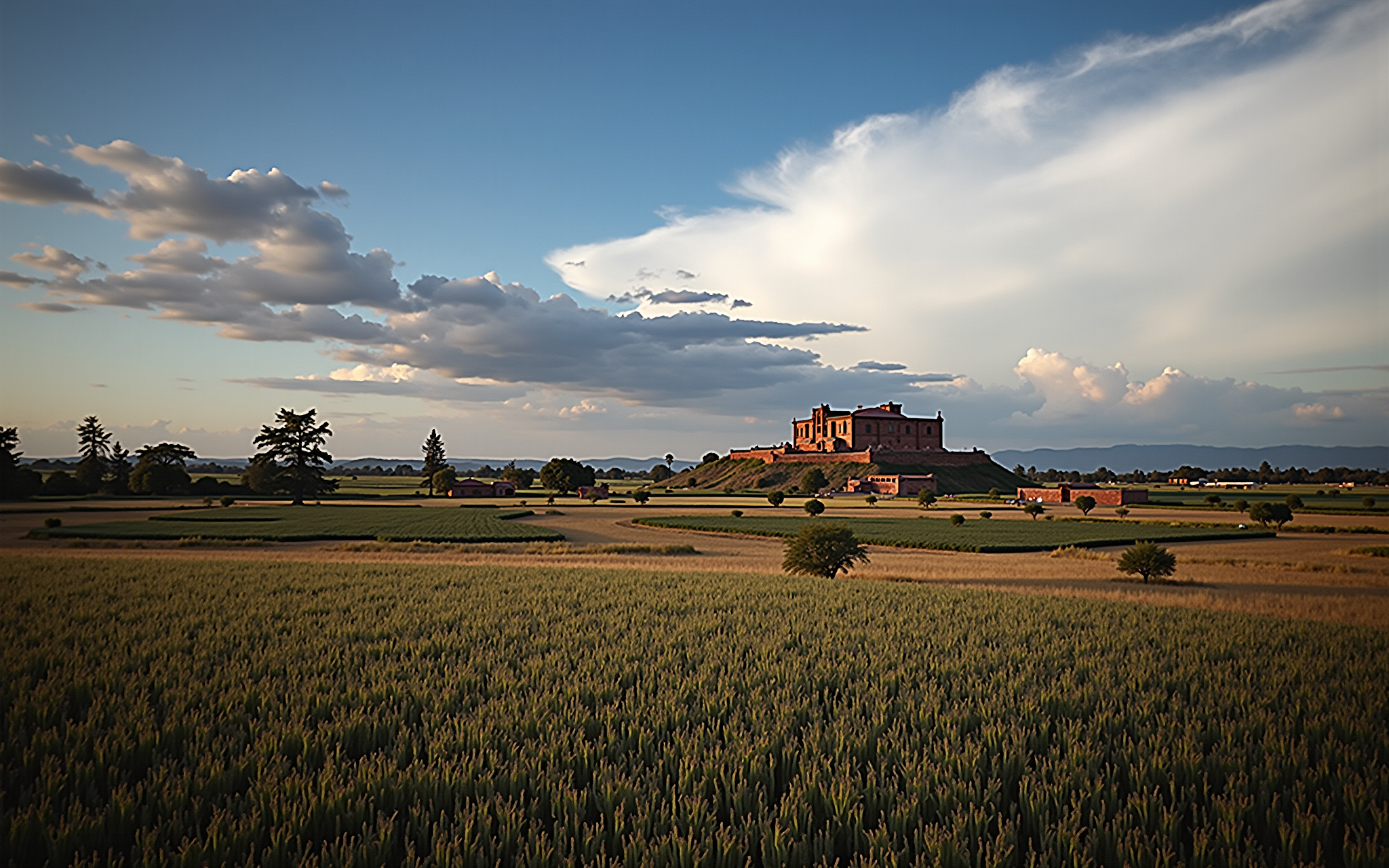
Oaxaca is a destination where the act of eating is the primary attraction, making it a natural fit for our Food-Lover Destinations cluster. In this city, the food is not a side note to the sightseeing, it is the story itself. You will find a place where colonial architecture and cobblestone streets serve as the backdrop for some of the most complex flavors in Mexico. From the smoky notes of mezcal to the deep, chocolatey richness of mole negro, Oaxaca offers a sensory experience that justifies planning an entire trip around the dining scene.
Why Oaxaca Fits the Food-Lover Theme
What makes Oaxaca stand out in a group of global food cities is the way the cuisine is woven into the daily rhythm of the streets. You do not just visit restaurants here, you follow the scent of fresh tortillas through the Xochimilco neighborhood or wander into the Centro to find a family-run spot serving mole negro. The city is a hub for regional specialties that you cannot find elsewhere, specifically the tlayuda, a massive crispy tortilla topped with Oaxacan cheese, black beans, and sometimes chapulines (grasshoppers).
The drink culture is equally central to the identity of the city. Mezcal is the lifeblood of the local scene, served in everything from simple bottles in small cafés to high-end flights at Mezcalería Los Danzantes. The transition from a morning coffee in a pastel-washed plaza to an evening cocktail on a rooftop is a part of the Oaxaca experience. This commitment to preserving traditional flavors while allowing a modern dining scene to grow is why Oaxaca is a strongest pick for any food-focused itinerary.
Where to Eat and What to Order
Your first stop should be the Mercado 20 de Noviembre. This is the beating heart of the city's food scene, where you can sample chapulines, taste mole negro, and drink fresh-pressed agua de horchata. A full plate here will typically cost around $10 and provides a genuine look at the local palate. For a more focused craving, head to Tlayudas Doña Cruz for a tlayuda loaded with beans, cheese, chorizo, and salsa for about $6.
If you are looking for a more refined experience, the Michelin-starred kitchen at Casa Oaxaca is a priority. For a casual lunch, Comedor La Estancia is a reliable choice. When the sun goes down, you can shift your focus to the nightlife in the Centro. Visit La Nueva Babel for craft beers and local indie music, or head to the rooftop at Mezcalería Los Danzantes for jazz and mezcal flights.
Where to Base Yourself
Depending on your budget and the vibe you prefer, there are three main areas to consider. The Centro Historico is the most convenient for those who want to be steps away from the Zócalo and major landmarks. You can stay at the budget-friendly Hostal del Sol, which provides free pan de yema for breakfast, or choose the mid-range Casa de los Frailes with its colonial arches and rooftop pool. For those seeking luxury, Hotel Quinta Real is a restored mansion with a lush garden, while Casa Oaxaca offers a high-end stay with a spa that uses local herbs.
If you prefer a quieter atmosphere, Jalatlaco is a beautiful choice. This neighborhood is known for its murals and peaceful streets. Casa de la Luz is an excellent budget option here, offering a quiet courtyard and views of the cathedral. Alternatively, the Xochimilco neighborhood offers a different energy, with the scent of street tortillas in the air. Hotel Azul is a great mid-range pick in this area, featuring rooms with kitchenettes if you want to try your hand at cooking local dishes.
Balancing Flavor with Culture
While the food is the main draw, you will want to break up your meals with some of the city's historical sites. A 20-minute bus ride takes you to Monte Albán, where the Zapotec ruins provide sweeping views of the valley for a $5 entry fee. In the city center, the gold-leaf interior of Santo Domingo de Guzmán is a free and stunning sight.
For nature lovers, Hierve el Agua is a must. These petrified waterfalls and natural swimming pools are set high in the mountains, though they require a half-day trip and about $12 for entry. If you want something more relaxed, take a stroll along the Andador del Río, a paved riverside walk filled with street art and cafés.
Planning Your Visit
The timing of your trip can significantly impact your budget and the crowd levels you encounter.
| Season | Weather | Crowd Level | Pricing Note |
|---|---|---|---|
| January to March | Dry, crisp mornings, sunny days | Low | Hotels 20-30% cheaper |
| April to June | Heat builds, rain starts late June | Rising | Mid-range pricing |
| July to September | Wet season, higher humidity | Moderate | Variable |
| October to December | Dry season begins, mild temps | High | Peak pricing |
More in this guide
If you are building a global culinary itinerary, you should also look into these destinations: