
Why Osaka is a Top Pick for Food-Lover Destinations
A city where neon lights and street food define the rhythm of daily life.
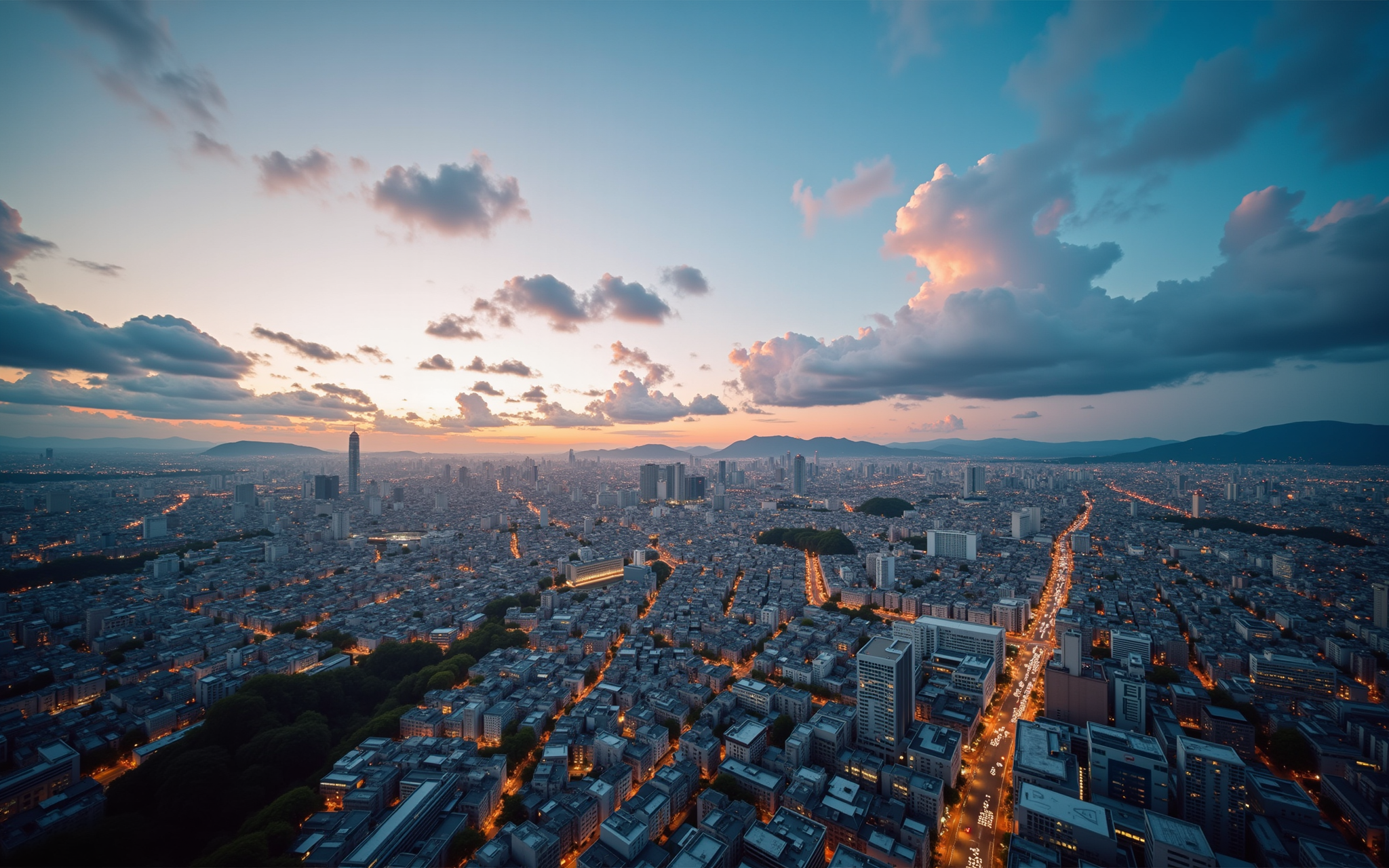
Osaka belongs in the Food-Lover Destinations cluster because it treats eating as a primary activity rather than a break between sights. While other cities might prioritize museums or monuments, Osaka is a place where the food is the story. You will find a city that is always half-way between a street-food stall and a neon-lit arcade, where the locals are as loud and friendly as the flavors are bold. From the charcoal scents of Namba to the specialized alleys of Tsuruhashi, the city is designed for those who want to eat their way through a metropolis that takes its snacks as seriously as its festivals.
The Spirit of the Kitchen
To understand why Osaka fits this theme, you have to spend time in Namba. This is the heart of the action, specifically along Dotonbori. You will see the famous takoyaki stands where a single ball costs around ¥300 and the air is thick with the smell of soy sauce. The energy here is unapologetically loud. If you move toward Shinsekai, the vibe shifts slightly but remains focused on flavor. You will likely hear locals shout “O-kaeri!” as you step into a local izakaya. In these spots, you will often end up sharing a table with strangers who are more than happy to point you toward the best okonomiyaki spot in the neighborhood. It is this social, food-centric culture that makes Osaka a stronger pick for this cluster than almost any other Japanese city.
A Roadmap for Your Appetite
Your itinerary should revolve around the different styles of dining the city offers. Start your morning at Kuromon Ichiba Market. This is where you can sample fresh takoyaki, grilled scallops, and wagyu beef slices from stalls that have been serving the community since the 1950s. A full tasting tour here typically costs between $10 and $20 and takes about two hours.
For something more substantial, head to Dotonbori’s Kani Doraku. You can identify it by the giant crab signage. This is a no-frills spot where the whole crab is served on a hot plate, providing a dose of pure Osaka comfort for around $25 per set. If you want to explore regional influences, visit Tsuruhashi’s Korean Town for thick-cut pork belly.
When you need a break from the intensity of the food scene, you can balance your day with a few key sights. You should visit Osaka Castle in Chūō, where the museum entry is $6. The rebuilt keep and gardens provide a glimpse of Edo-era fortifications. For a different perspective, head to the Umeda Sky Building. The Floating Garden Observatory is a glass-enclosed deck 173 meters up that lets you see the whole metropolis. If you prefer quiet, the National Museum of Art, Osaka, offers contemporary works in a sleek underground space for $8.
Finding Your Home Base
Depending on your budget, you will want to pick a neighborhood that keeps you close to the action. Namba is the best choice for those who want to be steps away from the neon signs of Dotonbori.
| Budget Level | Recommended Hotel | Neighborhood | Estimated Nightly Rate | Vibe |
|---|---|---|---|---|
| Budget | Hotel Sunroute Osaka Namba | Namba | $80 to $110 | Quiet rooms near the neon |
| Budget | Guest House Osaka Kakko | Tennoji | $70 to $95 | Simple rooms near Tsutenkaku |
| Mid-range | Cross Hotel Osaka | Kitahama | $180 to $250 | Stylish boutique by the canal |
| Mid-range | Hotel Granvia Osaka | Umeda | $200 to $300 | Attached to the station |
| Luxury | The St. Regis Osaka | Umeda | $500 to $700 | Five-star with panoramic views |
| Luxury | Conrad Osaka | Nakanoshima | $550 to $800 | High-end luxury |
If you stay at Hotel Granvia Osaka, you have the advantage of being directly attached to the station. This makes it easy to grab a quick bowl of ramen or a burger from MOS Burger in the underground mall before you start your day. For those staying at The St. Regis Osaka, you can use the concierge to book a seat at a Michelin-starred sushi spot, which is a great way to experience the higher end of the city's dining scene.
Timing Your Visit
The experience of Osaka changes with the seasons, and the costs fluctuate accordingly. March is a great time to visit because temperatures hover around 15 °C and the first cherry blossoms appear, while hotel rates remain average. April is the peak bloom season, but you should be aware that prices jump by 30 percent and crowds increase.
May is often a sweet spot with warm days in the low 20s and a dip in airfare. June is the rainy season, so you might find cheaper stays, but your outdoor plans may get soggy. July and August are sweltering, but they bring the Tenjin Matsuri and the Osaka Summer Festival, both of which feature incredible night markets. September is another strong option as the rain eases and the Kansai Yamamoto jazz fest draws locals. October provides crisp air and vibrant fall foliage around Osaka Castle, making it a visually stunning time to eat and explore.