
Kyoto milestone trip: a practical guide to itinerary and logistics
The scale of Kyoto
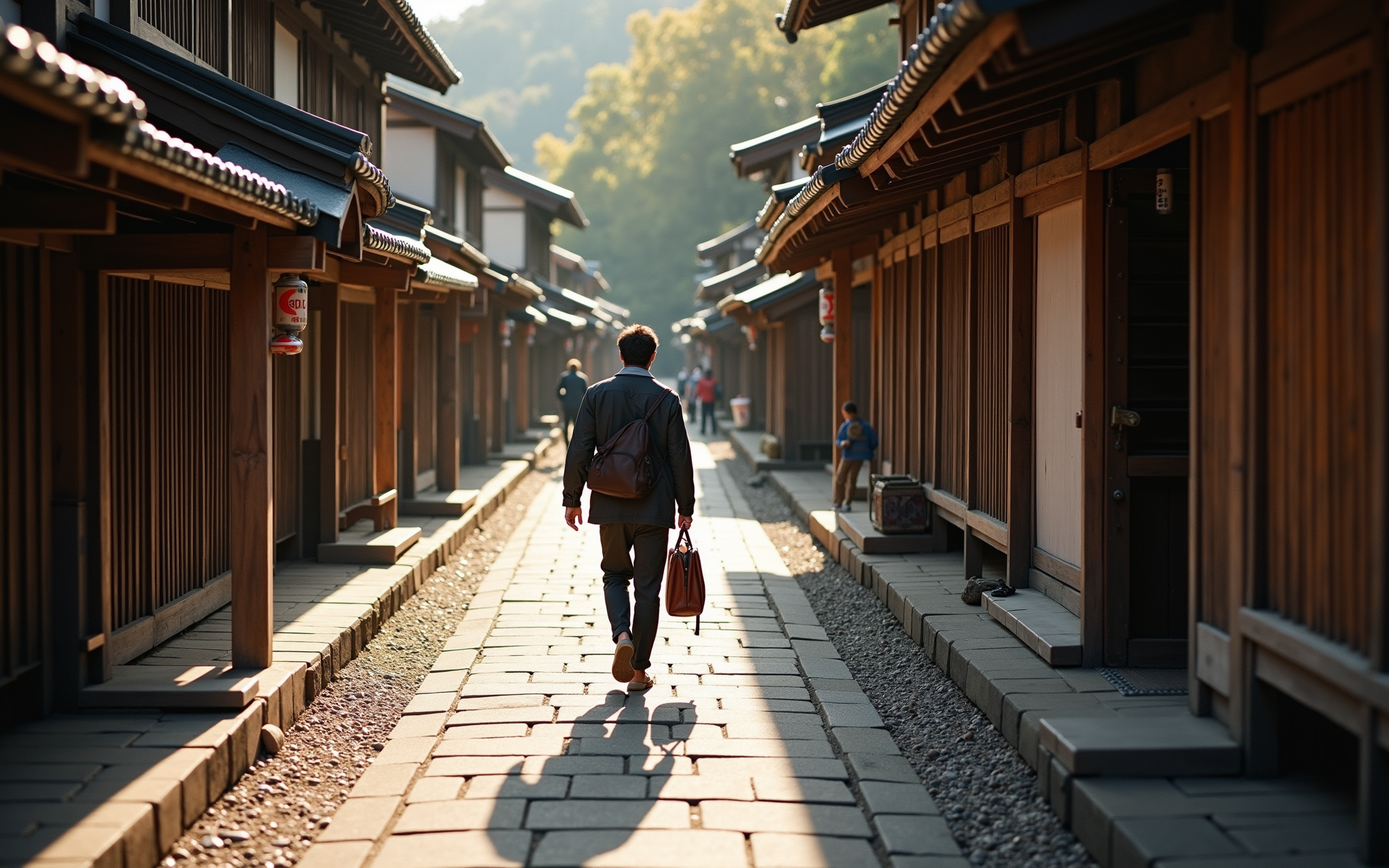
Approaching Kyoto requires a plan because the sheer volume of sites can be overwhelming. The city contains 17 UNESCO World Heritage Sites, over 1,600 Buddhist temples, and more than 400 Shinto shrines. It served as Japan's capital from 794 until 1868. To navigate this density without feeling rushed, you should focus on specific clusters of experiences rather than trying to see everything.
A itinerary
To reduce transit friction, group your visits by location over three days.
On day one, focus on the historic core. Start early at Kinkaku-ji (the Golden Pavilion) before the crowds arrive. Visit Nijo Castle, a 400 year old former shogun residence. For lunch, use Nishiki Market, which is a 400 year old food street. Spend your afternoon walking through the preserved historical streets of Ninenzaka and Sannenzaka before ending the day at Kiyomizu-dera Temple for the sunset.
Day two takes you to the outskirts. Spend your morning in Nara Park to feed the deer and visit Todai-ji Temple, where the Great Buddha is located. On your way back to Kyoto, stop at Fushimi Inari Shrine to see its thousands of red torii gates.
Day three is dedicated to nature in Arashiyama. Walk through the bamboo forest and visit Iwatayama Monkey Park. You can also take a boat ride on the Hozu River.
High touch experiences for milestones
For those celebrating a milestone, move beyond standard sightseeing with immersive activities. You can arrange a private afternoon tea with a geisha. These sessions include traditional sweets and matcha, and a translator is provided for those who do not speak Japanese.
If you want professional photography in a kimono, choose the area near Yasaka Shrine. This location is generally less crowded than other popular spots, allowing you to stroll through old Kyoto at your own pace.
Navigating the city without friction
Kyoto's logistics can be tricky if you are unprepared. Be aware that the trains and subways are not all operated by the same company. This means you may need to purchase multiple tickets for a single trip from one point to another.
Geography is another factor, as the top sights are often located on hillsides or mountains on the outskirts of the city rather than in the center. To simplify your arrival and departure, use the services provided by the Tourism Association, which include currency exchange, Wi-Fi access points, and luggage delivery to your accommodations.
Distinguishing temples from shrines
Because Kyoto is so dense with religious sites, it helps to know how to tell them apart visually.
Buddhist temples are identified by the presence of Buddha statues, burning incense, and manicured gardens. Shinto shrines are marked by bright red torii gates. If you enter through a bright red gate, you are entering a Shinto shrine.
Sources
[S1] https://en.m.wikipedia.org/wiki/Kyoto, https://en.m.wikipedia.org/wiki/Kyoto [S2] https://kyoto.travel/en/, https://kyoto.travel/en/ [S3] https://www.earthtrekkers.com/best-things-to-do-in-kyoto-japan/, https://www.earthtrekkers.com/best-things-to-do-in-kyoto-japan/ [S4] https://www.japan-guide.com/e/e2158.html, https://www.japan-guide.com/e/e2158.html [S5] https://www.japanhighlights.com/japan/kyoto, https://www.japanhighlights.com/japan/kyoto