
Santa Barbara 3 Day Itinerary
A practical guide to visiting the coast without the crowds.
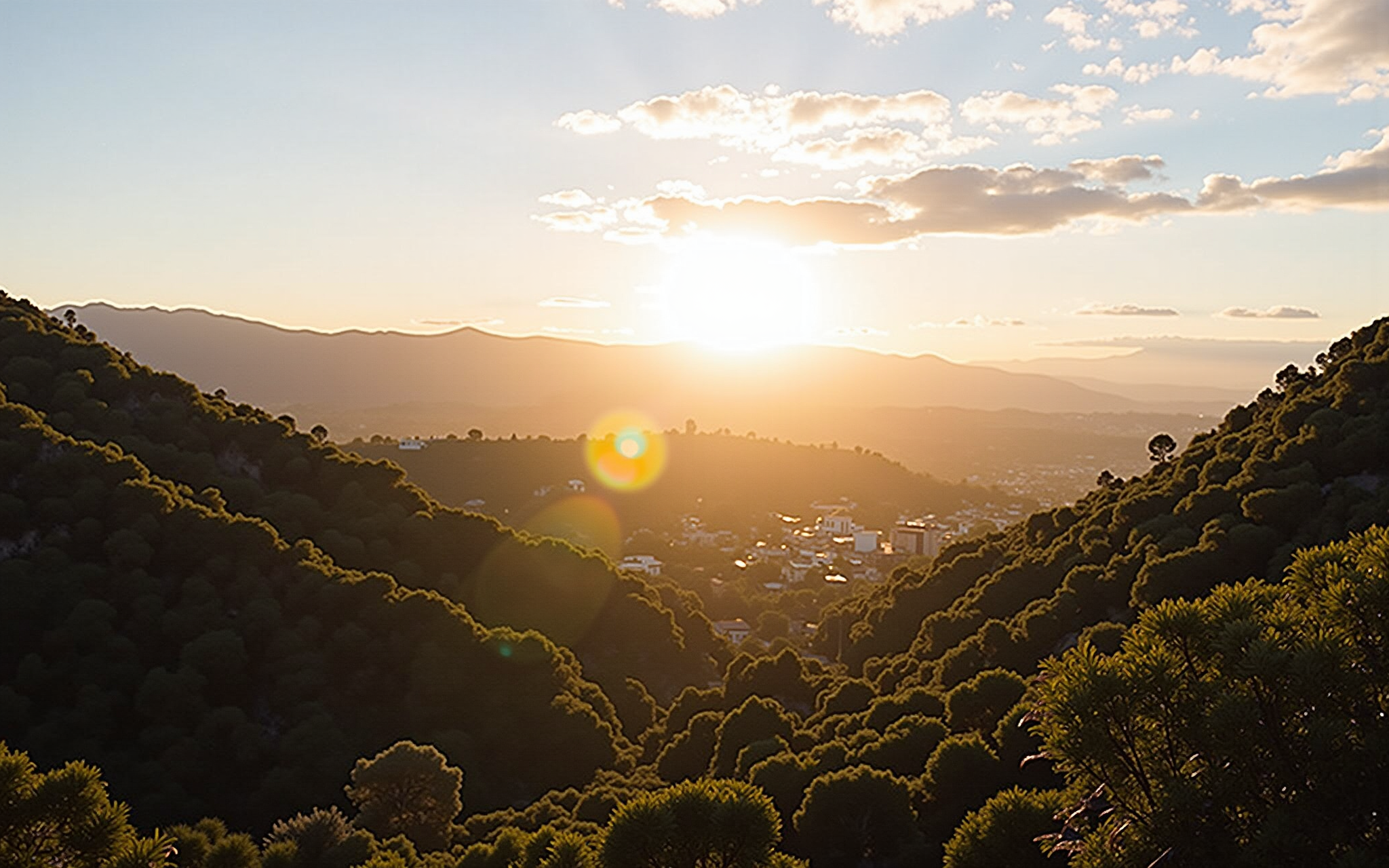
You should plan your trip for mid to late September or October. During this window, daytime temperatures stay in the 70s and the tourist crowds drop, making it easier to find lodging and dining. If you visit between November and March, be prepared for rainy weather and night temperatures that can dip into the 30s. For those seeking the warmest weather, late August through early October is peak season, though hotels will be more expensive.
Day 1: Downtown and Art
Start your first day in the central part of Santa Barbara to minimize travel.
$0 and 9h is the cost and potential time for the Santa Barbara County Courthouse. You'll want to take the free guided tours to see the Spanish-Moorish architecture, the bell tower, and the gardens.
For lunch, go to Taqueria Mena for Mexican food. It is a direct and efficient way to fuel up for the afternoon.
$9 and 6h is the cost and time for the Santa Barbara Museum of Art. You can view a collection that ranges from Roman antiquities to modern art.
For dinner, visit Char West Fish & Chips. This is a reliable spot for a casual meal before you head back to your hotel, such as the Simpson House Inn or the Holiday Lodge.
What to skip: Skip the Santa Barbara Historical Museum. While it offers local history, the information overlaps significantly with the courthouse and the Presidio, and you can save the $7 entry fee.
Day 2: History and Parks
Focus on the colonial and military history of the region today.
$9 and 7h is the cost and time for the Santa Barbara Mission. You'll see the twin bell towers and the rose garden. This site is known as the Queen of the Missions.
After the mission, find a casual neighborhood cafe for lunch.
$5 and 6h is the cost and time for the Presidio of Santa Barbara. This 1782 military fortress is partially restored and includes a small museum.
Spend your evening at Dwight Murphy Park. This is a good spot for a walk to wind down after a day of museums.
What to skip: Skip the Karpeles Museum. Unless you have a specific interest in original manuscripts or Apollo guidance hardware, the $0 entry does not make up for the time you could spend outdoors in the Santa Barbara weather.
Day 3: Waterfront and Nature
Spend your final day moving toward the coast.
$12 and 7h is the cost and time for the Santa Barbara Museum of Natural History. You'll want to see the pygmy mammoth fossil and the life-size blue whale skeleton.
$0 and 8h is the cost and time for Stearns Wharf. This historic pier is where you can find an aquarium and see pelicans. It is also a hub for shops and restaurants.
For your final meal, you can return to Char West Fish & Chips or find a casual spot on the wharf.
What to skip: Skip spending the entire afternoon at Stearns Wharf. While the pier is a landmark, the shops are often generic. Two hours is plenty of time to see the sights and the aquarium before the crowds become frustrating.
Trip Logistics and Costs
You can use the following table to plan your budget and schedule.
| Activity | Cost | Max Duration |
|---|---|---|
| Santa Barbara County Courthouse | $0 | 9h |
| Santa Barbara Museum of Art | $9 | 6h |
| Santa Barbara Mission | $9 | 7h |
| Presidio of Santa Barbara | $5 | 6h |
| Museum of Natural History | $12 | 7h |
| Stearns Wharf | $0 | 8h |
| Santa Barbara Historical Museum | $7 | 5h |
| Karpeles Museum | $0 | 4h |
Final Takeaway
The best way to experience Santa Barbara is to avoid the "tourist traps" on the pier and instead focus on the Spanish-Moorish architecture downtown. If you have a choice, prioritize the County Courthouse and the Mission over the smaller museums. Your trip will be significantly more pleasant if you avoid the rainy window from November to March.