
Weekend in Oaxaca: A Practical 48 Hour Guide
How to navigate the food, ruins, and mezcal of Mexico's cultural capital without the fluff.
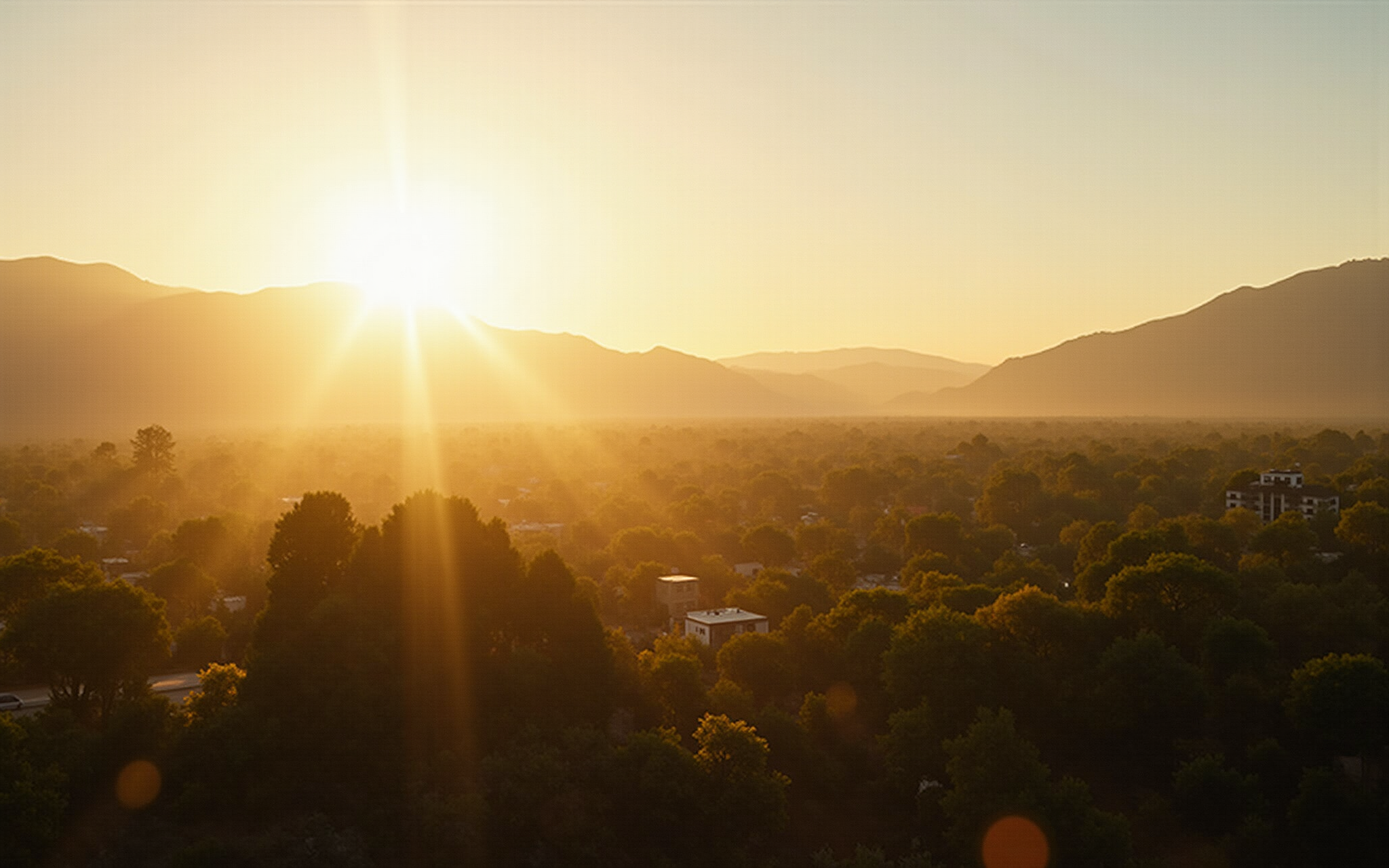
Oaxaca is a city of colonial architecture, smoky mezcal, and some of the best street food in Mexico. If you only have a weekend, you need to focus on the Centro Historico and the surrounding neighborhoods of Jalatlaco and Xochimilco. The city is walkable, but you will need taxis for the ruins and the natural pools.
Where to Base Yourself
Your choice of neighborhood determines how much you walk. The Centro Historico is the heart of the action, while Jalatlaco is quieter and known for its murals.
For those on a budget, Casa de la Luz in Jalatlaco costs $55 to $70 per night. If you prefer to be steps from the Zócalo, Hostal del Sol in Centro Historico is $60 to $80 per night. Mid-range options include Casa de los Frailes in Centro Historico ($150 to $180) or Hotel Azul in Xochimilco ($130 to $160). For luxury, Hotel Quinta Real or Casa Oaxaca in Centro Historico both range from $300 to $450 per night.
Friday: Arrival and First Impressions
Most visitors land at Oaxaca International (OAX), which is 7 km south of the city. A 15 minute cab ride will take you directly to the Zócalo. Once you drop your bags, head to the Centro Historico.
Start your evening with a walk through the city center. If you want a low key start, visit La Nueva Babel for craft beers and indie music, which has a $5 cover. For a more upscale experience, Mezcalería Los Danzantes offers rooftop views and mezcal flights, with drinks averaging $12.
Saturday: Ruins and Markets
Saturday is about the heavy hitters. Start early to beat the heat and the crowds.
Morning: Monte Albán
Take a 20 minute ride to Monte Albán. The entry fee is $5. You will spend 2 to 3 hours exploring these Zapotec ruins. The site is on a hill, so you will hike up stone steps for the best views of the valley.
Afternoon: The Market Circuit
Head back to the city for lunch at Mercado 20 de Noviembre. You can spend 1.5 hours here sampling chapulines and mole negro. A full plate typically costs around $10. After the market, walk to Santo Domingo de Guzmán. This baroque church is free to enter and takes about 1 hour to see the gold leaf interior.
Evening: Tlayudas and Art
For dinner, go to Tlayudas Doña Cruz. A massive tlayuda loaded with cheese and chorizo costs $6 and takes about 45 minutes to eat. Finish your night with a stroll along Andador del Río, a paved riverside walk with street art and cafes.
Sunday: Nature or Neighborhoods
Depending on your energy levels, you have two distinct options for your final day.
Option 1: The Mountain Trip
If you have a rental car or a pre booked taxi, head to Hierve el Agua. The entry fee is $12 plus transport. This is a half day commitment. You will see petrified waterfalls and can swim in natural mineral pools.
Option 2: Local Culture
If you prefer to stay in town, spend your morning in Jalatlaco. This neighborhood is famous for murals that change frequently. You can also visit the Planetario Nundehui for a 90 minute museum experience. If you have 4 hours to spare, a cooking class at Casa de la Abuela ($45) will teach you how to make mole negro.
Logistics Summary
| Activity | Cost | Duration | Location |
|---|---|---|---|
| Monte Albán | $5 | 2 to 3 hours | Hilltop / Outskirts |
| Santo Domingo | Free | 1 hour | Centro Historico |
| Mercado 20 de Noviembre | ~$10 | 1.5 hours | Centro Historico |
| Hierve el Agua | $12 + transport | Half day | Mountains |
| Tlayudas Doña Cruz | $6 | 45 minutes | Centro Historico |
| Casa de la Abuela Class | $45 | 4 hours | City |
What to Skip
If you only have one full day in Oaxaca, skip Hierve el Agua. While the petrified waterfalls are visually stunning, the transport time is significant. You will spend more time in a car than actually enjoying the site. Stick to the Centro and Monte Albán to maximize your limited time.
Final Takeaway
Oaxaca is not a city for a rushed itinerary. The real value is found in the slow pace of the markets and the quality of the mezcal. Focus on the food in Centro Historico and one major site (either Monte Albán or Hierve el Agua), and leave the rest to chance.