
Weekend in Quebec City: A Practical 3 Day Guide
A direct itinerary for navigating the fortified walls and French culture.
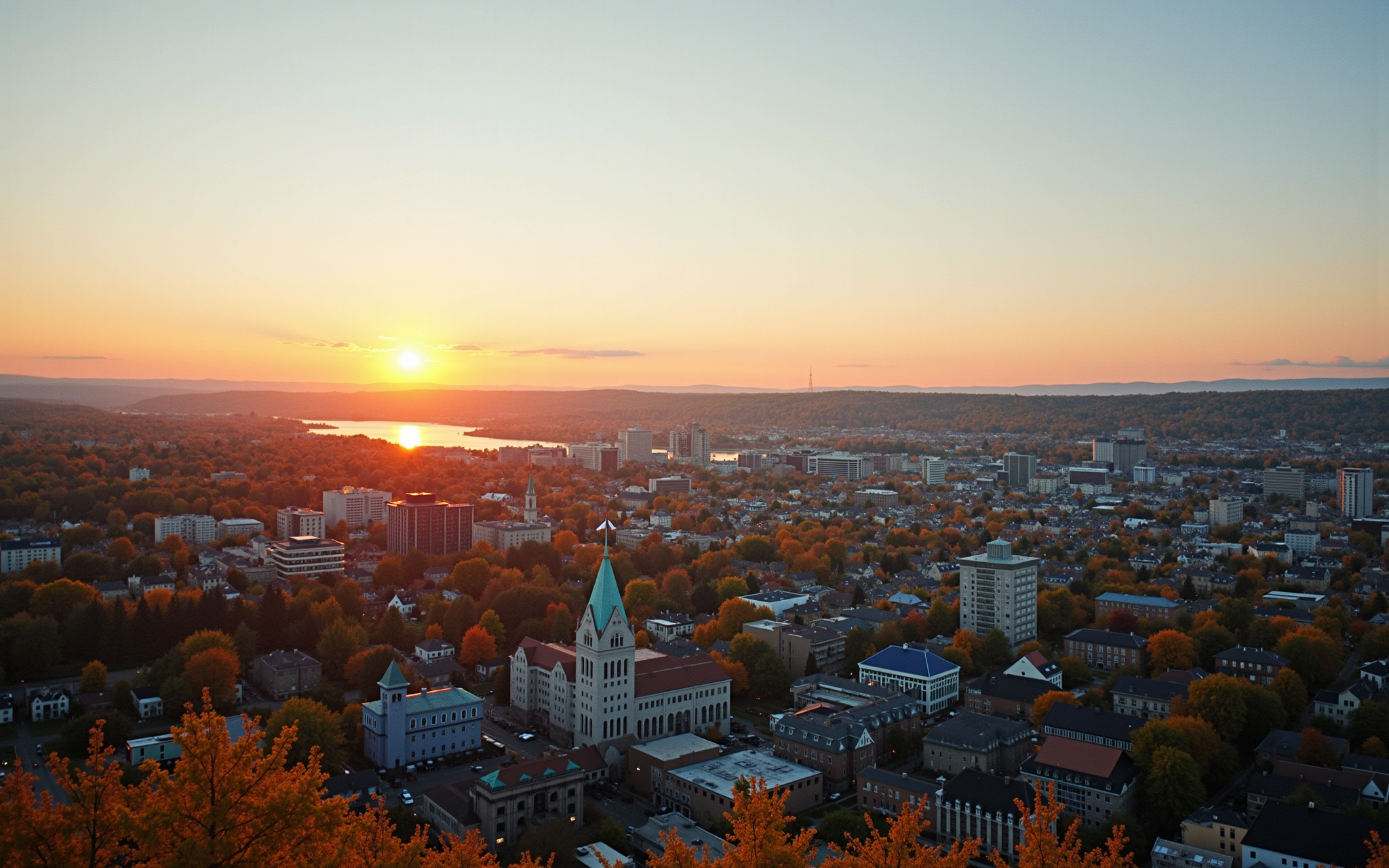
Quebec City is a walkable, fortified city that blends European architecture with Canadian daily life. The center of the action is Old Quebec, where stone walls and narrow streets like Rue du Petit-Champlain create a dense, historic atmosphere. You can navigate most of the city on foot, though the terrain involves some climbs.
Friday: Arrival and Base Camp
13 km is the distance from Jean Lesage International (YQB) to Old Quebec. If you are coming from Montreal, 3 hours is the typical travel time via Orléans Express bus, and tickets cost between $30 and $45.
You should base yourself in Vieux-Québec to avoid commuting. This allows you to walk to the main sites without paying for daily parking, which costs $15 to $20 in the Old City.
Where to Stay
Depending on your budget, you have several options in the historic center.
| Budget Level | Recommended Hotel | Estimated Nightly Price | Neighborhood |
|---|---|---|---|
| Budget | Hôtel Le Saint-Paul | $115 to $135 USD | Vieux-Québec |
| Mid-range | Hôtel Le Saint-Louis | $170 to $190 USD | Vieux-Québec |
| Luxury | Fairmont Le Château Frontenac | $350 to $480 USD | Vieux-Québec |
After checking in, spend your Friday evening walking the Fortifications of Old Quebec. These stone walls are free to roam and provide panoramic views of the St. Lawrence River from the Dufferin Terrace.
Saturday: The Historic Core
Saturday is about the density of Old Quebec. You will spend most of your time in the Upper and Lower towns.
Morning in Place Royale
Start your morning at Café du Clocher Penché in Old Quebec. A coffee and a buttery croissant will cost you between $4 and $7 USD. From there, walk through Place Royale and Rue du Petit-Champlain. If you have 90 minutes, visit Porte Saint-Jean to see the city's defensive architecture.
Afternoon Culture and History
18 USD is the entry fee for the Musée de la civilisation. You should allocate 2 hours here to see the interactive exhibits on Indigenous art and modern design.
Later, head to the Citadel. If you arrive by 10 a.m., you can see the changing of the guard. End your day with a meal at Le Cochon Dingue, where a hearty tourtière costs under $20.
Sunday: Nature and Neighborhoods
Sunday requires leaving the city center for a few hours to see the natural landscape.
Montmorency Falls
25 USD covers the cable car and zip-line at Montmorency Falls. The falls are 83 meters high. For a more grounded experience, hike the Parc de la Chute-Montmorency trail. This is an easy 3 km loop that leads to the base of the falls.
Lunch in Saint-Roch
Before heading to the airport, visit the Saint-Roch neighborhood. It is less touristy than Vieux-Québec. Stop at Le Chic Shack for a signature poutine topped with smoked meat and cheese curds. A plate here costs between $12 and $18 USD and takes about 45 minutes to enjoy. If you need a quick breakfast before your nature trip, Quoi? is a reliable option.
What to Skip
Skip the zip-line at Montmorency Falls if you are on a tight budget or have limited time. While it provides a quick adrenaline boost, the 3 km hike on the Parc de la Chute-Montmorency trail is more rewarding and offers better views of the forest canopy. Additionally, avoid the high-priced resort hotels if you prefer the grit of real daily life (the budget hotels in Vieux-Québec are more than sufficient for a short trip).
Final Takeaway
Quebec City is best experienced as a pedestrian. Do not waste time in a rental car inside the walls. Focus your energy on the contrast between the luxury of the Fairmont Le Château Frontenac and the casual, local vibe of Saint-Roch. If you visit in January or February, you can save 20 to 30 percent on hotel rates, provided you can handle the cold.