
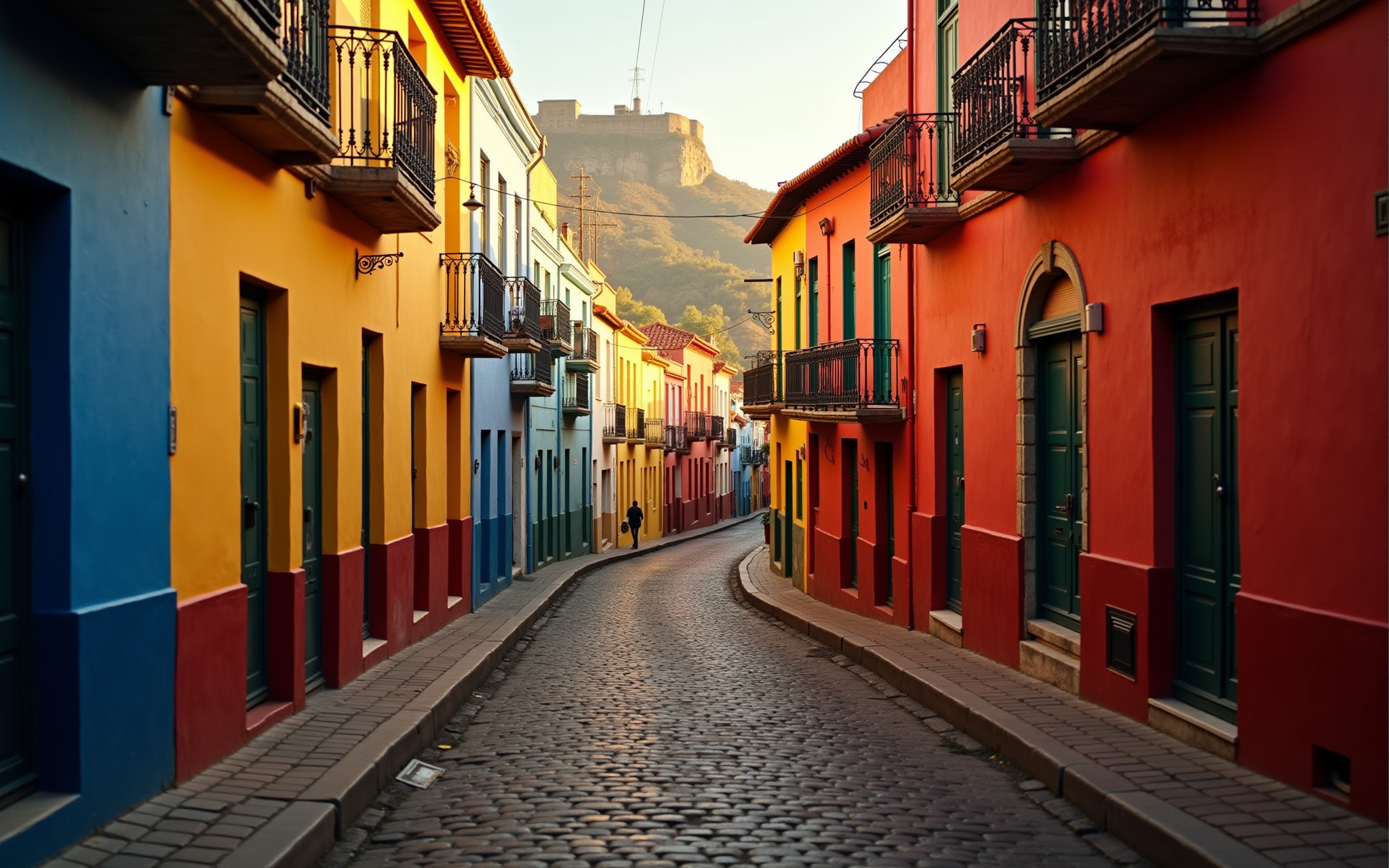
Buenos Aires
Destination · city · 🇦🇷 AR

Buenos Aires

34°36'13"S·58°22'54"W
cityfood drinknightlifetango
← Explore more
01Overview

Buenos Aires feels like a city that never sleeps because its rhythm is set by the locals, not by tour guides. In Palermo you’ll wander past street murals that change every few weeks, grab a quick empanada de carne from a corner stall, then hop on the subway to San Telmo where the antique market spills onto cobblestones every Sunday. The vibe here is relaxed yet electric—people linger over a cortado in a tiny café on Costa Rica Street, then head out to a milonga in the early hours, shoes scuffing the floor as tango spills into the night. If you love architecture, the Teatro Colón will knock your socks off; if you’re into street art, the walls of La Boca’s Caminito are a living gallery you can actually walk through.

Who ends up falling for this place? Food lovers who can’t get enough of a proper parrilla—think a thick ribeye with chimichurri, a plate of provoleta that melts in your mouth, and a side of choripán that’s practically a religion. Culture hunters who want to soak up history without feeling like they’re in a museum; the Recoleta Cemetery reads like an open‑air sculpture garden, and the cafés around Plaza de Mayo have been serving espresso since the 1800s. Night owls who thrive on late‑night conversations over a glass of malbec will find neighborhoods like Palermo Soho and Puerto Madero buzzing until sunrise, while anyone craving a splash of European flair mixed with Latin passion will feel right at home in the elegant streets of Recoleta.

All in all, Buenos Aires is a city you can taste, hear, and feel in equal measure. It’s not just “vibrant” or “exotic”—it’s a place where you can spend an afternoon watching a street performer in San Telmo, then end up in a hidden speakeasy in Palermo, sipping a craft cocktail while the city hums around you. If you’re the kind of traveler who wants more than postcard views and wants to live like a local for a few days, this is the spot that will make you want to extend your stay just to see what happens next.

02Things to Do

Sightseeing

  • Plaza de Mayo & Casa Rosada – The historic heart where tango was born and the presidential palace watches the city pulse. – $0 – 1 hour
  • Caminito, La Boca – Color‑splashed streets that feel like an open‑air museum of street art and tango lore. – $5 (optional museum entry) – 2 hours

Food & Drink

  • Don Julio steakhouse (Palermo Hollywood) – A parrilla that serves ribeye so tender you’ll forget you’re eating meat. – $40 per person (including wine) – 2 hours
  • Persicco gelateria (San Telmo) – Creamy dulce de leche scoops that melt faster than the summer heat. – $5 – 30 minutes

Outdoor Nature

  • Bosques de Palermo bike loop – Pedal past lakes, rose gardens and the iconic Rosedal without breaking a sweat. – $0 – 3 hours
  • Delta del Tigre boat tour – Glide through waterways, spot riverside cafés and watch locals fish from wooden docks. – $30 – 5 hours

Nightlife

  • La Viruta milonga (Palermo) – Dance the night away on a polished floor while live tango bands crank out classic beats. – $15 entry + drinks – 3 hours
  • Florería Atlántico (Recoleta) – Speakeasy vibes, craft cocktails and a hidden door that feels like a secret handshake. – $20 – 2 hours

Cultural

  • Teatro Colón guided tour – Step behind the velvet curtains of one of the world’s most acoustically praised opera houses. – $15 – 1.5 hours

Day Trip

  • San Antonio de Areco gaucho experience – Ride a horse, feast on asado and hear stories of the pampas from real gauchos. – $70 (transport + lunch) – full day (≈ 8 hours)

Pick the ones that match your schedule and appetite—Buenos Aires rewards the curious, the hungry and the night‑owls alike.

03Where to Stay

Budget
Milhouse Hostel – Palermo – $30‑45 USD – great for backpackers who want a social vibe and easy access to street art.
The Singing Panda Hostel – San Telmo – $25‑40 USD – perfect for travelers who love historic charm and a rooftop bar.

Mid‑range
Home Hotel – Palermo Hollywood – $120‑150 USD – suits design lovers who want a boutique feel and a short walk to trendy cafés.
Hotel 51 – Recoleta – $130‑160 USD – ideal for culture fans who want to be steps from the famous cemetery and upscale boutiques.

Luxury
Alvear Palace Hotel – Puerto Madero – $400‑600 USD – chosen by those who crave five‑star service, a spa, and river views.
The Singular Palermos – Palermo – $350‑500 USD – appeals to travelers who want a stylish design hotel with a rooftop pool and close proximity to Palermo’s nightlife.

04Getting There

Getting to Buenos Aires – the nuts and bolts


Airports you’ll actually use

AirportIATAHow far from the city centreWhat you’ll most likely land on
Ezeiza InternationalEZE22 km (≈45 min by taxi, 30 min by Aerobus)All long‑haul flights, most international connections
Aeroparque Jorge NewberyAEP6 km (≈20 min by taxi, 30 min by shuttle)Domestic routes and a handful of short‑haul international flights (e.g., Santiago, São Paulo)

If you’re coming from the U.S., Europe, the Gulf or East Asia, you’ll almost always touch down at EZE. A few low‑cost carriers (Flybondi, JetSmart) use AEP for regional hops, but they aren’t the norm for intercontinental itineraries.


Flight times from the biggest hubs

FromTypical nonstop timeCommon carriersReality check
New York (JFK/EWR)10 h 30 mAerolíneas Argentinas, Delta, UnitedNonstops exist in summer; otherwise you’ll have a single stop in Miami or Panama.
London (LHR)12 h 45 mBritish Airways, Iberia, Air FranceOne‑stop via Madrid or Paris is common; total travel time ≈ 15 h.
Dubai (DXB)16 h 30 m (1 stop)Emirates (via São Paulo), Qatar (via Doha)No true nonstop; expect a 2‑hour layover.
Hong Kong (HKG)15 h 10 m (1 stop)Cathay Pacific (via Sydney), Qantas (via Melbourne)Same pattern – one stop, usually in Oceania or South America.

If you’re hunting the cheapest dates, mid‑week departures from NYC and LHR tend to shave $100‑$200 off the fare compared with weekend flights.


Getting from the airport to the city

  1. Aerobus (EZE) – $7 USD one‑way, runs every 30 min, drops you at Plaza de Mayo and Retiro.
  2. Taxi / rideshare – Official airport taxis cost a flat $30‑$35 to Palermo; Uber and Cabify are also available and usually a few dollars cheaper.
  3. Shuttle to AEP – A short 15‑minute bus ride for about $5 USD, mostly useful if you’re connecting to a domestic flight.

Visa basics for U.S. citizens

  • No visa needed for stays up to 90 days.
  • Your passport must be valid for at least six months from the date of entry.
  • You’ll be asked for proof of onward travel (a return ticket or a bus/train ticket out of Argentina).
  • If you plan to work, study or stay longer than three months, you’ll need to apply for a specific visa at the nearest consulate before you leave.

Bottom line: for tourism, business trips or a long weekend, just bring your passport and a credit card.


What you’ll pay for the flight

CabinRough round‑trip price range (USD)When you’ll see the low end
Economy$620 – $1,150Mid‑January to early March (Southern summer) and late August (shoulder season).
Premium Economy$1,300 – $2,200Same windows, but a few weeks of advance booking helps.
Business$2,200 – $4,500Often drops if you snag a “sale” on Aerolíneas Argentinas or a frequent‑flyer upgrade.

A quick tip: sign up for price‑alert emails from Skyscanner or Google Flights. They’ll ping you the moment a $580‑ish economy fare pops up for a mid‑week NYC‑EZE routing.


Quick practicalities you might care about

  • Currency – Argentine pesos are cash‑heavy; ATMs at EZE dispense around $200 ARS per withdrawal, but the exchange rate swings daily.
  • SIM card – Buy a local Claro or Movistar prepaid SIM at the arrivals hall for $10 USD and 5 GB of data.
  • Neighborhood to stay – Palermo Soho and Palermo Hollywood are the most tourist‑friendly, with plenty of hostels under $30 USD per night. If you prefer a quieter vibe, try Villa Cronista near Recoleta; a decent boutique hotel there runs about $120 USD a night.
  • Must‑try food – Grab a milanesa de pollo at a local parrilla in Palermo; it’s usually $12 USD and comes with a side of crisp fries. A plate of empanadas de carne in San Telmo costs about $5 USD and is perfect for a quick snack after a museum crawl.

Bottom line

Flying into EZE is the simplest route, and with a bit of flexibility on dates you can snag economy tickets under $650 round‑trip from the East Coast. U.S. citizens need no visa for short stays, just a passport that won’t expire for six months. From the airport, the Aerobus or a rideshare will get you into the city in under an hour, and you’ll be ready to wander Palermo’s street art, sip a café con leche in San Telmo, and dig into a juicy biftek without breaking the bank. Safe travels!

05Best Time to Visit

January – Summer hits hard. Temperatures hover around 30 °C (86 °F) and the humidity feels like a warm blanket. Tourist crowds swell, especially in Palermo and Puerto Madero, so expect longer waits at the popular parrilla on Avenida Scalabrini Ortiz. A steak there will set you back roughly US$25‑30. Prices for hotels climb 15‑20 % compared with the off‑season. The city hosts the Carnaval parades in the barrio of La Boca; the streets fill with confetti, brass bands and cheap choripán from street stalls (about ARS 200 per bite). If you can handle the heat and don’t mind paying a premium, it’s doable, but you’ll feel the squeeze.

February – Still hot, still crowded. The weather stays sultry, but the crowds thin a little after the Carnaval rush. You’ll still see long lines at the ice‑cream shop in San Telmo that serves dulce de leche‑filled cones for around US$3. Hotel rates stay high, though you can snag a last‑minute deal if you book a week ahead. The Buenos Aires International Book Fair kicks off in mid‑month at the Rural Exhibition Center; it’s a solid excuse to wander the aisles and sip a cortado at a nearby café (≈ ARS 150).

March – The heat eases a touch, and the city starts to breathe. Daytime highs dip to the mid‑20s °C, making walks through the leafy avenues of Recoleta pleasant. Crowd levels drop, and you’ll find restaurant tables without a reservation. A classic milanesa at a neighborhood joint in Villa Crespo costs about US$12. Hotel prices begin to slide, especially if you stay in the quieter neighborhoods of Colegiales or Chacarita. No major festivals, but the Feria de la Vendimia (wine harvest fair) pops up in the western suburbs, offering tastings of local Malbec for roughly ARS 300 per glass.

April – This is the first true shoulder season. Temperatures sit comfortably in the low‑20s °C, and the sky is often clear. Tourist numbers dip noticeably, so you can stroll through the colorful streets of La Boca without fighting for photo space. A coffee at a sidewalk café in Palermo Soho averages ARS 250, and a night in a boutique hotel drops to around US$80. The Buenos Aires Jazz Festival begins toward the end of the month, with free outdoor concerts in Plaza Dorrego. If you love music and mild weather, April feels like the sweet spot.

May – The weather stays gentle, with occasional rain that leaves the city smelling of fresh earth. Crowds are at their lowest of the year, and you’ll often find restaurant tables open on the spot. A plate of empanadas de carne at a local bakery in San Telmo runs about ARS 180. Hotel rates stay low, especially in the trendy area of Palermo Hollywood, where a double room can be booked for under US$70. The International Book Fair wraps up, but the city still buzzes with literary events in the parks. May is a quiet, affordable month that lets you soak up the culture without the rush.

June – Winter settles in, and evenings get crisp. Daytime highs hover around 15 °C (59 °F), so you’ll need a light jacket for the evenings in Recoleta. Tourist numbers stay modest, and the city feels relaxed. A hearty parrilla dinner in the upscale neighborhood of Punta Carrasco costs about US$35, while a simple choripán from a street vendor is still under ARS 250. Hotel prices stay low, though some boutique spots raise rates slightly for the winter holidays. No big festivals, but the Independence Day celebrations on the 9th bring fireworks over the Río de la Plata — worth a night out if you’re around.

July – The coldest month, with temperatures sometimes dropping to 8 °C (46 °F). Crowds are thin, and you’ll have the museums to yourself. A visit to the Museo Nacional de Bellas Artes in Recoleta is free, and a hot chocolate at a historic café in San Telmo will cost about ARS 300. Hotel rates stay at their winter lows, making it a good time to splurge on a nicer room. The Buenos Aires International Film Festival runs toward the end of the month, screening indie films in the Palermo district; tickets hover around ARS 400.

August – Winter loosens its grip. Temperatures climb back into the low‑20s °C, and the city starts to feel spring‑like again. Crowds begin to creep up, but you still have room to explore the lesser‑known neighborhoods of Colegiales and Villa Crespo without a crowd. A dinner of grilled provoleta at a local parrilla in Palermo costs roughly US$20. Hotel prices stay moderate, though they start to rise toward the end of the month. The Feria de la Patria (Patriotic Fair) fills the streets of La Boca with folk music and traditional dancing — great for a quick cultural fix.

September – Early spring brings blooming jacarandas and comfortable weather, with daytime highs in the high‑20s °C. Crowds are still manageable, and you’ll find restaurant tables without a reservation. A fresh empanada de humita at a market stall in Palermo costs about ARS 150. Hotel rates stay reasonable, especially if you book a few weeks ahead. The Buenos Aires Marathon draws runners through the city, and the sidelines are lined with food trucks offering choripán for under ARS 200. If you enjoy mild weather and a lively but not overwhelming vibe, September is a strong contender.

October – Spring is in full swing. Temperatures hover around 24 °C (75 °F), and the city’s parks burst with color. Tourist numbers climb a bit, but they never reach the summer peak. A night out at a tango show in San Telmo, including a drink, runs about US$30. Hotel prices stay moderate, though they start to edge upward toward the end of the month. The Buenos Aires International Book Fair returns in early October, filling the Rural Exhibition Center with author talks and book signings — great for a cultural deep‑dive. October feels like the second sweet spot, offering pleasant weather and a lively atmosphere without the peak‑season price tag.

November – Early summer brings warm days and occasional thunderstorms. Temperatures climb into the high‑20s °C, and the city feels energetic. Crowds increase, especially in the evenings along the waterfront in Puerto Madero, where a dinner of grilled fish can set you back about US$25. Hotel rates rise modestly, but you can still find good deals in the residential area of Caballito. The Buenos Aires Jazz Festival wraps up toward the month’s end, with free concerts in Plaza San Martín. If you don’t mind a little extra buzz, November offers a lively vibe and warm weather.

December – The heat returns with a vengeance, and the city fills with holiday shoppers. Temperatures hover around 30 °C (86 °F), and the humidity feels sticky. Crowds peak, especially in the shopping districts of Galerías Pacífico and the streets of Palermo. Hotel prices are at their highest, often 25‑30 % above the annual average. A festive dinner at a rooftop restaurant in Recoleta can cost upwards of US$45. The city celebrates Navidad with light displays along Avenida Corrientes and traditional holiday markets selling dulce de leche sweets for about ARS 250. If you’re after a festive atmosphere and don’t mind paying a premium, December delivers, but it’s the least ideal for budget‑conscious travelers.

The Sweet‑Spot Shoulder Seasons

If you want the best blend of pleasant weather, manageable crowds, and reasonable prices, aim for April‑May or September‑October. These months give you comfortable temperatures, lower accommodation costs, and a calendar packed with cultural events — without the crush of summer tourists or the chill of winter. Plan around these windows, and you’ll experience Buenos Aires at its most enjoyable.

06Best Time to Visit
When to go

September, December, and November are the strongest windows for exploring the city.

Jan
25°C · 76°F
74mm rain
best
Feb
24°C · 75°F
85mm rain
best
Mar
22°C · 71°F
139mm rain
best
Apr
18°C · 65°F
115mm rain
best
May
14°C · 57°F
89mm rain
best
Jun
11°C · 52°F
49mm rain
good
Jul
11°C · 51°F
71mm rain
good
Aug
12°C · 54°F
62mm rain
good
Sep
15°C · 58°F
73mm rain
best
Oct
17°C · 63°F
89mm rain
best
Nov
21°C · 69°F
84mm rain
best
Dec
23°C · 74°F
83mm rain
best

Scores blend climate, rainfall, and activity fit — shoulder city. Temperatures and rainfall are historical monthly averages; actual conditions vary year-to-year.

Right now in Buenos Aires
23°C · 74°F
Partly cloudy · daytime
As of Thu 8:21 PM
Next 7 days
Today
24°
19°
2mm
Fri
24°
16°
·
Sat
25°
16°
·
Sun
22°
19°
6mm
Mon
19°
16°
0mm
Tue
22°
17°
3mm
Wed
18°
11°
·

Forecast data from Open-Meteo · refreshed hourly

Community reviews · 0

What travelers say.

Loading reviews…

Sign in to leave a review.

Sign in →
More like this

If Buenos Aires is your speed, try these.

Reference
/destination/buenos-aires-ar