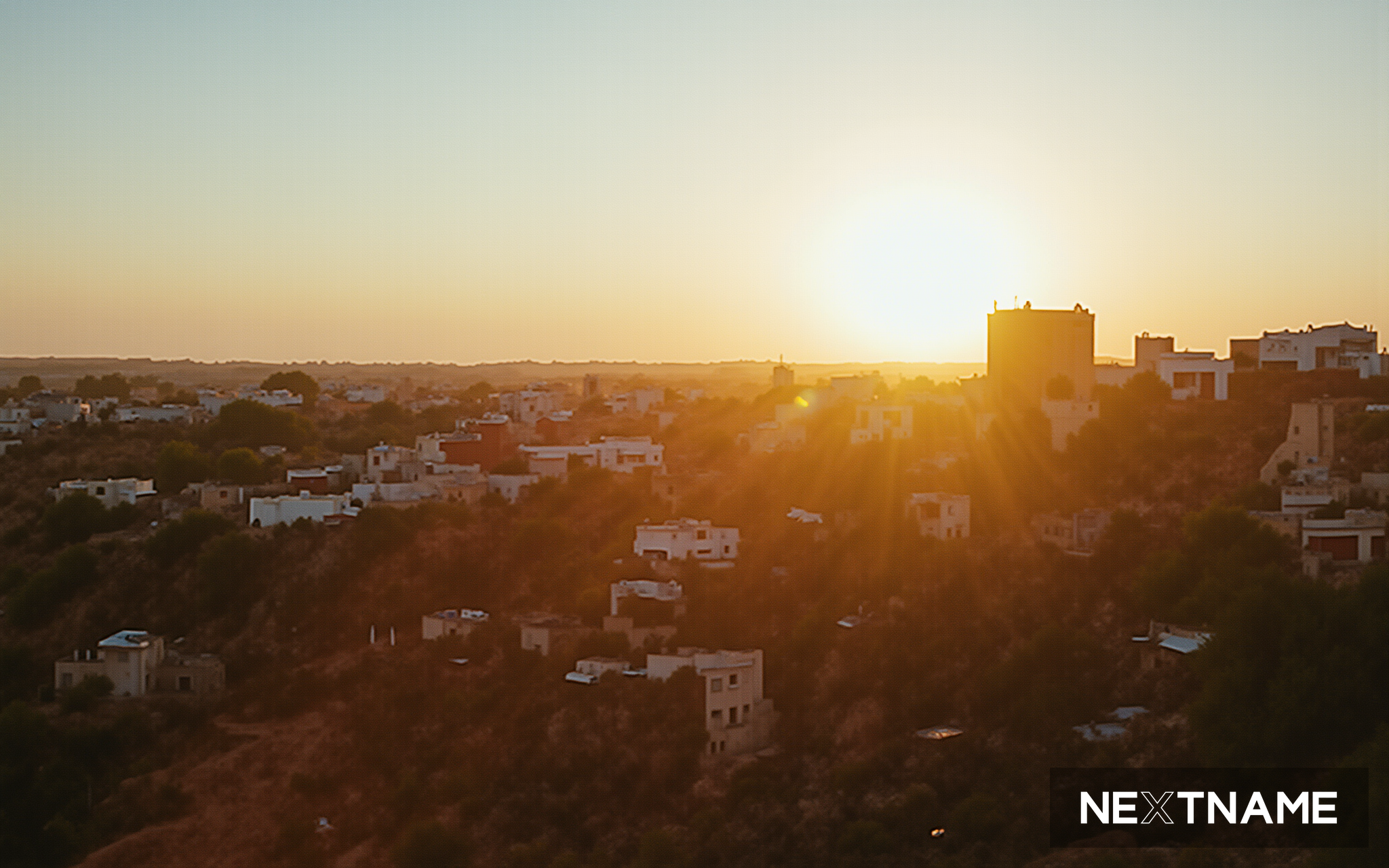
Essaouira feels like a breath of Atlantic wind that never quite stops. The old medina, wrapped in ochre walls and capped by the Skala de la Ville, sits right on a natural harbor where fishing boats bob beside sleek wind‑surf boards. Walk down the narrow alleys of the Kasbah and you’ll hear Gnawa drums drifting from a rooftop café, while the scent of grilled sardines from the fish market mingles with the salty air. The town’s layout is simple: the historic core on the hill, the newer Ville Nouvelle spreading toward the beach, and the laid‑back Sidi Kaouki dunes a short drive away. If you’re after fresh seafood, order the chermoula‑marinated sardines at a stall near the port — they’re usually around 70 MAD a portion, and the flavor is sharper than anything you’ll get inland.
Who ends up loving Essaouira? Wind‑surfers who chase the steady trade breezes, photographers drawn to the contrast of whitewashed buildings against deep‑blue sea, and anyone who prefers a slower pace without sacrificing culture. The vibe is relaxed but never sleepy; artists set up easels on the ramparts, musicians jam in cafés after sunset, and the night market on Place des Ferblantiers hums with locals buying hand‑woven rugs and amber jewelry. I’ve found the town works best for travelers who appreciate a mix of history, open sky, and food that tastes like the sea itself — no frills, just honest flavors and a view that stays with you long after you leave.
Sightseeing
- Skala de la Ville – Walk the 17‑th‑century cannon ramparts for sweeping views of the medina and Atlantic; free entry, 30 min.
- Place des Ferblantiers – Watch metalworkers hammer copper in this quiet square tucked behind the main gate; no fee, 20 min.
Food & Drink
- Le Chalet (Port Essaouira) – Grab grilled sardines with chermoula and a glass of local white; about $15 per person, 1½ h.
- La Table by Madada – Sit down for a slow‑cooked lamb tagine with prunes in a candlelit courtyard; roughly $35 per person, 2 h.
Outdoor Nature
- Sidi Kaouki Beach – Rent a surfboard and ride the gentle waves or stroll the dunes; board rental $10, 3 h total.
- Cap Tamourit – Follow the paved trail to the cliffs for uninterrupted sea panoramas; free, 1 h.
Nightlife
- Le Salama (Rooftop bar on the ramparts) – Sip a mint‑infused cocktail while the sun sets over the harbor; drinks start at $12, 2 h.
- Theatro – Catch a live Gnawa jam session in an intimate venue near the souk; entry $8, 2 h.
Cultural
- Maison de la Photographie – Browse rotating exhibits of Moroccan photography in a restored riad; $5 admission, 1 h.
- Souk des Artisans – Wander the carpet and wood‑carving lanes, watching craftsmen at work; no cost, 1 h.
Day Trip
- Argan Oil Cooperative, Amizmiz – Join a guided tour that includes a tasting and a short hike through almond groves; $30 all‑in, 5 h.
- Diabat Island & Pottery Workshops – Take a short boat ride to the island, explore its ceramics studio, and enjoy a seaside lunch; $25 round‑trip, 6 h.
Budget (≈ $30‑$65)
- Riad Zitoune – Medina – $45‑$65 – Quiet courtyard, steps from the souks and the beach.
- Hostel Riad Sidi Abdelaziz – Sidi Kaouki outskirts – $30‑$45 – Simple rooms, perfect for surfers who want to be close to the wind.
Mid‑range (≈ $80‑$130)
- Dar L'Oued – Medina – $80‑$110 – Restored 19th‑century riad with rooftop views and a fresh seafood breakfast.
- Riad Les Jardins de la Medina – Medina – $90‑$130 – Lush garden, central spot, staff arrange kite‑surfing lessons.
Luxury (≈ $180‑$300)
- Riad Kheirredine – Medina – $180‑$250 – Opulent rooms, private terrace, concierge books sunset boat trips.
- La Villa des Orangers – Sidi Kaouki – $220‑$300 – Boutique luxury with sea‑view pool, short walk to the beach and the fish market.
Getting to Essaouira – the quick‑and‑real guide
Airports you’ll actually use
- Essaouira‑Mogador (ESU) – a tiny regional strip, only useful if you’re already in the area. Most travelers land at the bigger hubs.
- Marrakech Menara (RAK) – 180 km inland, the most common entry point.
- Agadir Al Massira (AGA) – 260 km south, a solid alternative if you’re combining beach time with a desert detour.
All three have IATA codes, but RAK is the one you’ll see on most flight‑search sites.
Flight times from the big hubs
- New York (JFK/EWR) → RAK – usually 10–12 h total, with one stop in Paris, Casablanca or Madrid. No nonstop option, so plan for a layover of 1–3 h.
- London (LHR) → RAK – about 3 h 30 m direct on Royal Air Maroc or easyJet. If you catch a cheap connection via Tangier, add another hour.
- Dubai (DXB) → RAK – roughly 6–7 h with a single stop in Casablanca. Emirates and Royal Air Maroc both run this route.
- Hong Kong (HKG) → RAK – around 13–14 h, typically one stop in Istanbul, Paris or Doha.
If you’re flying into AGA instead, add roughly 30 min to the flight time and expect a short domestic hop (RAK → AGA) on a 30‑minute Royal Air Maroc flight.
Alternative ground transport
- From Marrakech to Essaouira – CTM buses leave every hour from the main bus station; tickets run about 70 MAD ($7). Shared grand‑taxis cost 150–200 MAD ($15–20) and take 2.5 h, but they’re a bit more cramped.
- Car rental – Pick up a compact in Marrakech, drive the N9 coastal road. The route is scenic and well‑paved; you’ll need a credit card and an international permit. Expect 2 h 30 m travel time, plus fuel (~30 L).
- Private transfer – If you’re traveling with a group, a pre‑booked driver costs roughly 600 MAD ($60) one‑way and drops you at the medina gate.
Visa for U.S. citizens
- No visa needed for stays up to 90 days. Just have a passport that’s valid six months beyond your entry date.
- You’ll get a stamped entry card on the plane; keep it handy in case you need to show proof of onward travel.
Airfare ballpark
- NYC ↔ RAK – economy round‑trip $600–$1,200, depending on how far in advance you book and whether you snag a sale on a low‑cost carrier.
- LHR ↔ RAK – £150–£350 return, easyJet and Royal Air Maroc often have flash sales under £120.
- DXB ↔ RAK – $500–$900 round‑trip; look for Emirates or Royal Air Maroc promotions that dip under $450.
- HKG ↔ RAK – $900–$1,500 round‑trip; the cheapest routes usually involve a stop in Istanbul or Doha.
Bottom line
If you’re coming from the U.S., the simplest path is to fly into Marrakech (RAK) and then hop on a bus or shared taxi to Essaouira. It’s cheap, reliable, and you’ll be sipping mint tea on the ramparts within three hours of landing. Skip the tiny ESU airport unless you’ve got a charter or a very specific schedule.
Safe travels, and don’t forget to try the fresh sardines at the port market – they’re worth the extra few minutes of walking.
Essaouira – When to Go
If you’re trying to pin down the sweet‑spot for a trip to Essaouira, the month you choose will shape everything: the sun you’ll soak up, the crowds you’ll share the medina with, the price you’ll pay for a night in a riad, and the events that might make your stay feel special. Below is a month‑by‑month rundown that spells out weather, crowd levels, pricing trends, and the festivals that actually happen.
January
Weather: Cool Atlantic breeze, highs around 16 °C, lows dip to 8 °C. Rain is rare but a light drizzle can turn the streets slick.
Crowds: Very thin. Most tourists are still back home, so you’ll have the ramparts and the harbor almost to yourself.
Pricing: Riads and boutique hotels drop 15‑20 % off their high‑season rates. A double room at Riad Dar Naam costs roughly $70 per night.
Events: The “Marrakech‑Essaouira Wind Festival” (early January) brings kite‑surf demos and live Gnawa jam sessions on the beach.
Bottom line: If you love quiet streets and don’t mind a sweater, January is a bargain, but the wind can be biting.
February
Weather: Similar to January, but the sun starts to linger a bit longer. Daytime temps climb to 18 °C.
Crowds: Still low, though a few European ski‑breakers trickle in for a quick coastal escape.
Pricing: Slight uptick—expect about $80 for a central riad.
Events: “Marrakech‑Essaouira Music Festival” (mid‑February) showcases local bands in the Place des Ferries.
Bottom line: A solid choice if you want mild weather without the summer heat, but the sea can still be chilly for swimming.
March
Weather: Spring is waking up. Highs reach 20 °C, nights stay around 10 °C. Rain tapers off.
Crowds: Begins to rise, but the medina stays easy to navigate.
Pricing: Mid‑range hotels hover around $90‑$110. Luxury spots start to edge toward $150.
Events: “Essaouira Gnawa World Music Festival” (late March) fills the harbor with drums and dancing.
Bottom line: This is the first real taste of spring; crowds are manageable and the music festival adds a vibrant vibe.
April
Weather: Warm and sunny, highs near 22 °C. Light sea breezes keep it comfortable.
Crowds: Noticeably busier—tourists start to book for the Easter break.
Pricing: Prices jump 25 % compared to March. A night at a riad in the medina averages $120.
Events: “International Festival of the Sea” (early April) features boat races and fresh‑catch cook‑offs at the fish market.
Bottom line: If you can snag an early‑April deal, you’ll get great weather and a lively festival without the peak‑season price tag.
May
Weather: Pleasant warmth, highs around 25 °C, low humidity. Sea temperature hits 18 °C—perfect for swimming.
Crowds: The sweet‑spot begins. Tourists are here, but the city isn’t packed.
Pricing: Mid‑range riads sit at $130‑$150; boutique stays can push $180.
Events: “Essaouira Popular Music Festival” (mid‑May) brings indie bands to the historic walls.
Bottom line: May is often touted as the best month—great weather, manageable crowds, and a lively cultural scene.
June
Weather: Early summer heat, highs near 28 °C. The sea is warm enough for a full‑day beach day.
Crowds: Growing, especially on weekends. Still far from the July‑August peak.
Pricing: Prices climb another 10‑15 %. Expect $150‑$170 for a central riad.
Events: “Essaouira Gnawa Festival” (early June) returns with deeper line‑ups and night‑time performances on the ramparts.
Bottom line: June is still a solid pick if you love warm seas and don’t mind a modest crowd.
July
Weather: Hot, highs around 31 °C, occasional sea‑breeze relief. Nights stay above 20 °C.
Crowds: Peak season begins. The medina can feel crowded, especially around the souks and the port.
Pricing: Luxury riads peak at $250‑$300; even mid‑range spots hover near $180.
Events: “Essaouira International Music Festival” (late July) fills the city with concerts ranging from classical to contemporary.
Bottom line: If you’re after the full festival experience and don’t mind higher prices, July delivers—but it’s the busiest.
August
Weather: Still hot, similar to July, but the humidity can feel a touch higher.
Crowds: The busiest month of the year. Families and European holidaymakers flood the streets.
Pricing: Prices stay high; expect $190‑$220 for a decent riad.
Events: “Essaouira Food & Wine Festival” (mid‑August) showcases local seafood—think grilled sardines at Le 9 and tagine at La Table du Marché.
Bottom line: August is lively and full of flavor, but be prepared for crowds and a premium price tag.
September
Weather: Early autumn brings a gentle cooling; highs settle around 27 °C, evenings dip to 18 °C.
Crowds: Crowds start to thin after the August rush, but the weather remains summer‑friendly.
Pricing: A nice drop—mid‑range riads fall back to $130‑$150.
Events: “Essaouira Gnawa & World Music Festival” (late September) returns with a mix of traditional and contemporary acts.
Bottom line: September is often the hidden sweet‑spot—warm enough for the beach, fewer tourists, and prices easing back down.
October
Weather: Comfortable, highs around 24 °C, low chance of rain. The sea stays inviting at 20 °C.
Crowds: Light to moderate. Most tourists have headed home after the summer.
Pricing: Very attractive—riads in the medina average $110‑$130.
Events: “Essaouira International Film Festival” (early October) screens indie films in the historic theater of the Kasbah.
Bottom line: October offers a relaxed vibe, pleasant weather, and great deals—perfect for a longer stay.
November
Weather: Cooler, highs near 19 °C, evenings can feel brisk. Rain becomes more likely.
Crowds: Very low; the city feels almost like a private retreat.
Pricing: Deep discounts—some riads drop to $70‑$90 for a double room.
Events: “Marrakech‑Essaouira Music & Art Festival” (mid‑November) blends visual art installations with live performances in the souks.
Bottom line: If you love a quiet, almost intimate atmosphere and don’t mind cooler evenings, November is a hidden treasure.
December
Weather: Mild but damp; highs around 17 °C, occasional rain showers.
Crowds: Minimal. The city is quiet, with only a handful of travelers.
Pricing: Prices stay low, similar to January.
Events: “Essaouira Christmas Market” (late December) sets up stalls along the port, offering local crafts and mulled wine.
Bottom line: December is perfect for a low‑key, budget‑friendly escape, though the sea is too cold for swimming.
The Sweet‑Spot Shoulder Seasons
- Late May to early June – Warm, sunny, and still before the July‑August surge. Prices are reasonable, and the Gnawa Festival adds cultural depth.
- Mid‑September to early October – The heat eases, crowds thin, and the International Film Festival brings a creative buzz. This period gives you the best mix of weather, price, and events without the tourist crush.
If you can align your travel dates with either of those windows, you’ll get the most value for your money and the most authentic feel of Essaouira.
Quick Tips for Booking
- Riad rates: Look for “early‑bird” deals on sites like Booking.com; they often shave 10‑15 % off the listed price if you book 60 days in advance.
- Flights: The closest airport is Marrakech Menara; a shuttle to Essaouira takes about 2.5 hours. Booking a morning flight gives you a full afternoon to explore the ramparts.
- Dining: Try the fresh sardines at Le 9 (around $15 per plate) and the lamb tagine at La Villa (about $22). Both are within walking distance of the medina’s main square.
- Transport: Small taxis are cheap—most rides inside the city cost under $5. If you plan a day trip to the nearby town of Asilah, a shared grand taxi costs roughly $12 per person.
Bottom line: Pick May‑June or September‑October for the best blend of weather, crowd size, price, and cultural events. The rest of the year offers its own charms, but those two windows hit the sweet spot most travelers are after. Safe travels, and enjoy the sea breeze on the ramparts.
August, July, and September are the strongest windows for beach days.
Scores blend climate, rainfall, and activity fit — beach. Temperatures and rainfall are historical monthly averages; actual conditions vary year-to-year.
Forecast data from Open-Meteo · refreshed hourly
What travelers say.
Loading reviews…
Sign in to leave a review.
Sign in →If Essaouira is your speed, try these.
Colombo
🇱🇰 LK84%Colombo feels like the country’s front‑door—less about pristine beaches and more about a city that’s still figuring out how to blend its colonial past with the rush of modern life. You’ll walk from th…
Lagos
🇳🇬 NG83%Lagos doesn’t feel like a city you can neatly package. It’s a place where the hum of traffic on the Third Mainland Bridge mixes with the smell of grilled suya from a street vendor in Surulere, and whe…
Stockholm
🇸🇪 SE83%Stockholm feels like a city that’s easy to love because it never forces you to choose between charm and convenience. Stroll through Gamla Stan early in the morning and you’ll hear the church bells min…