
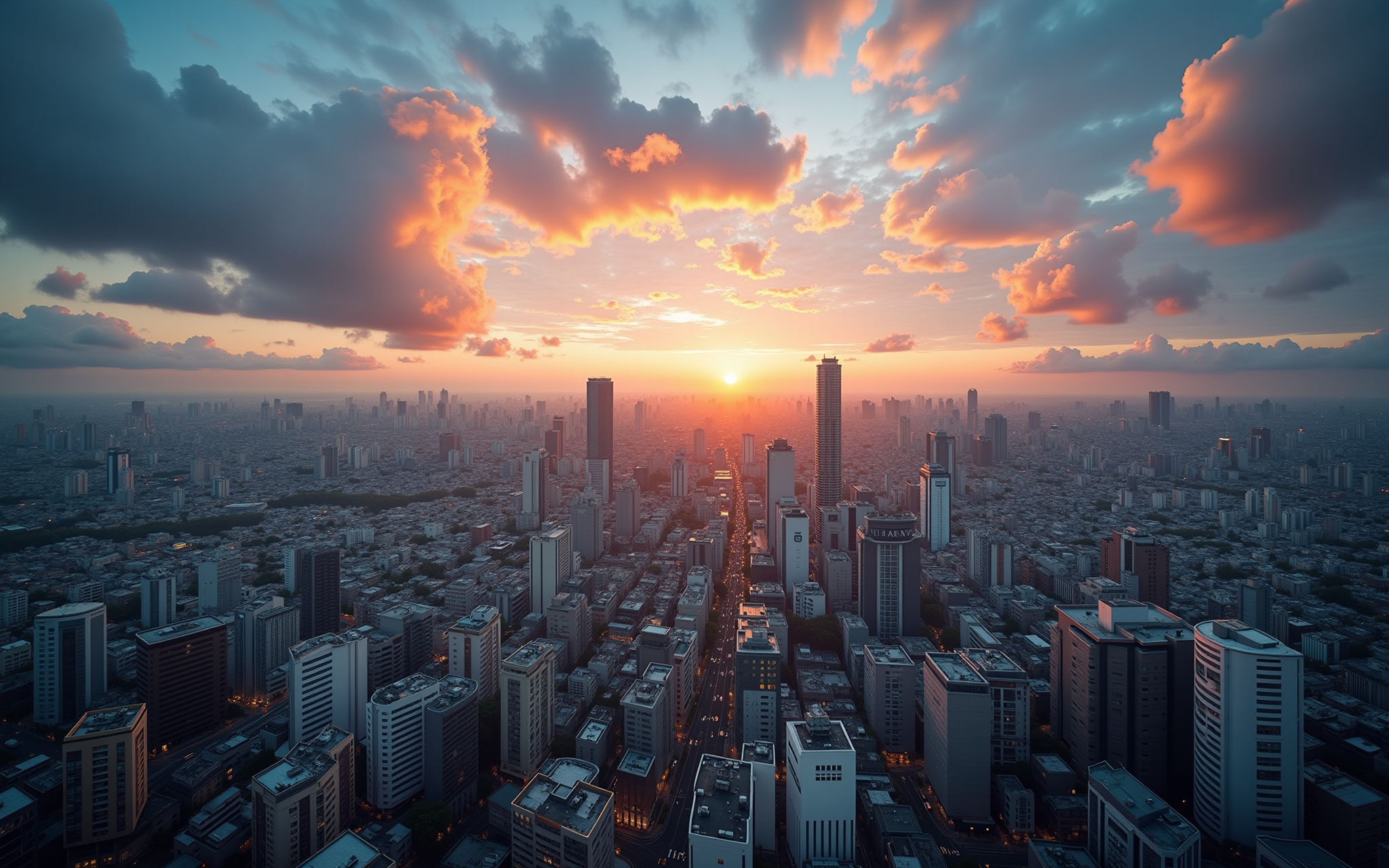
Osaka feels like a city that’s always half‑way between a street‑food stall and a neon‑lit arcade. In Namba you’ll find the famous takoyaki stands on Dotonbori where a single ball costs around ¥300 and the air smells of soy sauce and charcoal. If you’re into history, head to the Osaka Castle grounds in Chūō; the museum inside charges ¥600 and the view from the top overlooks the modern skyline of Umeda, where the glassy towers of the Floating Garden Observatory rise 173 metres above the city. The vibe here is unapologetically loud and friendly—locals will shout “O‑kaeri!” as you step into a izakaya in Shinsekai, and you’ll often end up sharing a table with strangers who are more than happy to recommend the next okonomiyaki spot.
Who loves Osaka? Anyone who wants to eat their way through a city that takes its food as seriously as its festivals. It’s perfect for night‑owls who can stay up until 2 a.m. in the neon glow of Shinsaibashi, for families who want a theme‑park day at Universal Studios Japan (a half‑hour train ride from the city centre), and for solo travelers who enjoy wandering through the retro alleys of Nakazakicho, where vintage shops and tiny coffee cafés sit shoulder‑to‑shoulder with street art. The energy is never sleepy; it’s a mix of chaotic convenience and genuine warmth, so you’ll feel both the rush of a subway rush hour and the quiet comfort of a late‑night ramen shop on a quiet side street. If you crave a place that rewards curiosity with cheap, delicious bites and a vibe that’s equal parts party and neighborhood hangout, Osaka is the spot.
Sightseeing
-
Osaka Castle – The rebuilt keep and surrounding gardens give a clear view of the city’s skyline and a glimpse of Edo‑era fortifications.
Cost: $6 (castle museum entry).
Time: 2 hrs. -
Umeda Sky Building – Floating Garden Observatory – A glass‑enclosed deck 173 m up lets you see the whole metropolis, especially at sunset.
Cost: $15.
Time: 1.5 hrs. -
National Museum of Art, Osaka – Contemporary works sit in a sleek underground space that feels far from the city’s hustle.
Cost: $8.
Time: 1 hr.
Food & Drink
-
Kuromon Ichiba Market – Sample fresh takoyaki, grilled scallops, and wagyu beef slices from stalls that have been serving locals since the 1950s.
Cost: $10–$20 for a full tasting tour.
Time: 2 hrs. -
Dotonbori’s Kani Doraku – Giant crab signage marks a no‑frills spot where the whole crab is served on a hot plate; the broth is pure Osaka comfort.
Cost: $25 for a set.
Time: 1.5 hrs. -
Tsuruhashi’s Korean Town – Dive into thick‑cut pork belly BBQ and kimchi‑laden soups at a bustling izakaya that never sleeps.
Cost: $12–$18 per person.
Time: 1 hr.
Outdoor Nature
-
Nakanoshima Park & Museum of Oriental Ceramics – Stroll along the canal, then pop into a quiet museum that houses delicate porcelain from the Edo period.
Cost: Free park; $5 museum entry.
Time: 1.5 hrs. -
Osaka Bay Area – Tempozan Harbor Village – Ride the Ferris wheel for panoramic sea views, then explore the aquarium’s massive Pacific tank.
Cost: $20 for the wheel + $25 aquarium ticket.
Time: 3 hrs.
Nightlife
-
Shinsekai’s Tsutenkaku Tower – After dark the tower lights up neon, and the surrounding alleys serve cheap yakitori and draft beer in standing bars.
Cost: $8 for a drink + $3 street‑food skewers.
Time: 2 hrs. -
Bar Kizzy in Namba – A speakeasy‑style cocktail bar where the mixologist uses locally sourced yuzu and shiso; the vibe is intimate, not touristy.
Cost: $12 per cocktail.
Time: 1 hr.
Cultural
-
Sumiyoshi Taisha Shrine – One of Japan’s oldest shrines, its distinctive arched bridges and vermilion torii give a quiet contrast to downtown.
Cost: Free (donations optional).
Time: 45 min. -
Shinsekai’s Daruma Doll Museum – Small but fascinating, it showcases the history of the lucky charm and lets you paint your own.
Cost: $3 for the workshop.
Time: 30 min.
Day Trip
- Nara Park – A 45‑minute train ride brings you to a sprawling park where friendly deer roam among ancient temples; the Great Buddha Hall is a must‑see.
Cost: $8 round‑trip JR ticket + $6 entrance to Tōdai‑ji.
Time: 5 hrs (including travel).
Pick the items that fit your pace; each entry is a concrete spot, not a vague suggestion.
Budget
- Hotel Sunroute Osaka Namba – Namba – $80‑$110 USD per night – Quiet rooms just a 3‑minute walk from Dotonbori’s neon signs and the best takoyaki stalls.
- Guest House Osaka Kakko – Tennoji – $70‑$95 USD per night – Simple private rooms near Tsutenkaku, with a 10‑minute stroll to Shitenno‑ji and local okonomiyaki joints.
Mid‑range
- Cross Hotel Osaka – Kitahama – $180‑$250 USD per night – Stylish boutique vibe, steps from the canal, easy to hop on the subway to Umeda and try kushikatsu in Shinsekai.
- Hotel Granvia Osaka – Near Osaka Station – $200‑$300 USD per night – Directly attached to the station, perfect for early train rides and a short walk to the underground mall where you can grab a bowl of ramen.
Luxury
- The St. Regis Osaka – Umeda – $500‑$700 USD per night – Five‑star service with a spa, panoramic city views, and a concierge who can book you a seat at a Michelin‑starred sushi spot.
- Conrad Osaka – Nakanoshima – $550‑$800 USD per night – Modern design on the riverbank, rooftop pool, and a short walk to the National Museum of Art plus nearby izakaya for late‑night yakitori.
Getting to Osaka
Airports you’ll actually use
- Kansai International (KIX) – the main international hub. It sits on an artificial island in Osaka Bay, about 50 km from the city centre.
- Osaka International (ITM) – smaller, mostly domestic and a few short‑haul Asian flights. It’s closer to downtown (≈ 20 km) but has far fewer connections.
Typical flight times from big hubs
- New York (JFK) → KIX: ~14 h non‑stop, usually with a layover in Tokyo or Seoul if you’re hunting a cheaper fare.
- London (LHR) → KIX: ~12 h non‑stop, often operated by British Airways or Japan Airlines.
- Dubai (DXB) → KIX: ~10 h non‑stop, Emirates runs the route several times a week.
- Hong Kong (HKG) → KIX: ~5 h 30 m non‑stop, Cathay Pacific and Japan Airlines keep the schedule tight.
Ground‑transport options once you land
- From KIX, the Haruka Express (JR) whisks you to Osaka Station in ~45 min for ¥1,230. The Nankai Airport Express gets you to Namba in about the same time for ¥920.
- A taxi will drop you at your hotel in roughly 30–40 min, but expect a ¥15,000–¥20,000 fare if you’re lugging a lot of luggage.
- If you land at ITM, the Osaka Airport Limousine Bus drops you at Umeda or Namba in ~50 min for ¥1,200.
Visa for U.S. citizens
- You can enter Japan visa‑free for up to 90 days as a tourist. Just have a valid passport (must be good for the whole stay), a return or onward ticket, and proof of sufficient funds if asked at immigration. No pre‑application or fee is required.
What airfare will set you back?
- From NYC: round‑trip economy typically runs $600–$1,200. Peak cherry‑blossom weeks push the upper end; late‑fall sales can dip below $600.
- From London: expect £500–£900. Booking 2–3 months ahead usually lands you near the low‑end.
- From Dubai: $800–$1,400, with Emirates often running promotions that shave $150 off.
- From Hong Kong: $400–$800, especially if you snag a sale on a low‑cost carrier like HK Express.
A quick tip on timing
- Arriving early in the morning at KIX gives you a chance to stash your bags at a coin‑locker (¥300–¥600 per day) and head straight to Dotonbori for a bite of takoyaki before checking into your hotel. The street stalls charge about ¥300 per ball, and the flavor is worth the short walk.
Where to stay
- Namba is the heart of nightlife and food. You’ll be within walking distance of the Glico sign, the canal, and a slew of izakayas.
- Umeda offers a more business‑centric vibe but still packs a bunch of shopping malls and rooftop bars. Hotels here tend to be a shade pricier, but the train ride to KIX is equally quick.
Bottom line
- Fly into KIX if you want the most flight options and a straightforward train ride into the city. Skip ITM unless you’re chasing a ultra‑short hop from Kansai’s domestic network.
- U.S. citizens can roll straight through immigration with just a passport.
- Budget roughly $600–$1,200 for a round‑trip from the States, and you’ll be set for a few days of street‑food hunting, temple hopping, and nightlife in Namba. Safe travels.
March brings mild temps around 15 °C and the first wave of cherry blossoms, but crowds are still manageable and hotel rates hover near average.
April is peak bloom season; the city feels alive, yet prices jump 30 % and you’ll need to book early to avoid the rush.
May offers warm days in the low‑20s, thinner crowds after Golden Week, and a noticeable dip in airfare compared with April.
June ushers in the rainy season, humidity climbs, and while you can snag cheap stays, outdoor plans may get soggy.
July heats up to the high 20s, and the famous Tenjin Matsuri festival brings fireworks and street food, but accommodation costs stay high.
August stays sweltering, yet the Osaka Summer Festival adds night markets; prices stay premium, though you can find last‑minute deals if you’re flexible.
September cools slightly, rain eases, and the Kansai Yamamoto jazz fest draws locals, making it a sweet spot before the autumn rush.
October delivers crisp air, vibrant fall foliage around Osaka Castle, moderate crowds, and hotel rates that sit comfortably between high and low seasons.
November brings cooler evenings, fewer tourists, and a noticeable drop in rental prices—ideal if you love autumn colors without the crowds.
December’s festive lights light up Dotonbori, but the cold can bite; prices rise a bit for holiday stays, though you’ll find quieter streets.
January sees the New Year rush, with many shops closed for a few days, yet accommodation can be surprisingly cheap if you don’t mind the chilly vibe.
February stays chilly and quiet, perfect for budget travelers who don’t mind bundling up and exploring Osaka’s museums and aquarium.
November, April, and May are the strongest windows for sightseeing.
Scores blend climate, rainfall, and activity fit — cultural. Temperatures and rainfall are historical monthly averages; actual conditions vary year-to-year.
Forecast data from Open-Meteo · refreshed hourly
What travelers say.
Loading reviews…
Sign in to leave a review.
Sign in →If Osaka is your speed, try these.
Tokyo
🇯🇵 JP89%Tokyo feels like a city that never stops moving, but it’s also surprisingly easy to find a quiet corner if you know where to look. In Shinjuku the skyline is a wall of neon and glass, yet just a few b…
Jaipur
🇮🇳 IN88%Jaipur feels like stepping into a living museum that still throws parties. The old city, with its pink‑washed walls, is best explored on foot from the bustling lanes of Johri Bazaar, where you’ll hear…
Hong Kong
🇭🇰 HK88%Hong Kong feels like a city that never stops moving, but it’s also a place you can explore at your own pace. In the morning you can sip strong milk tea at a cha chaan teng in Mong Kok, then wander the…
