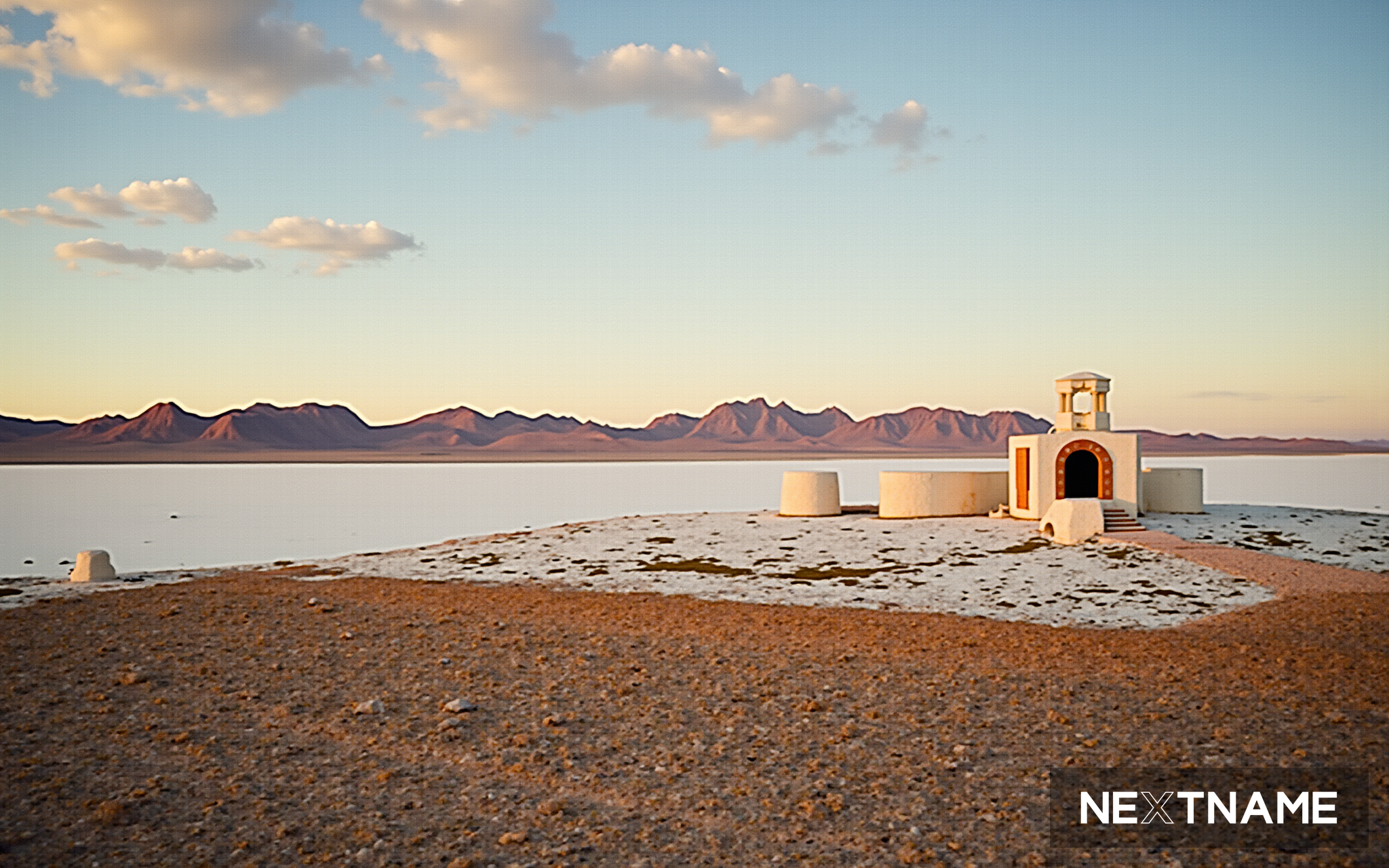
Salar de Uyuni is a vast white plain that turns into a glassy mirror after a rainstorm. The town of Uyuni sits at the edge, with its Plaza 24 de Septiembre and the old Train Cemetery you can wander through before the tour starts. A short drive brings you to Isla Incahuasi, where giant cactus grow out of the salt. The whole place feels like stepping onto another planet, especially when the sky reflects off the water.
If you love stark, otherworldly scenery and don’t mind basic hostels, this is your spot. The vibe is laid‑back, dusty, and oddly peaceful; you’ll hear the hum of a few tour buses and the chatter of backpackers swapping stories over a plate of chairo. Try the api de quinua from a street vendor, and if you’re lucky you’ll stay in a salt hotel built entirely from blocks of salt. The best time to go is during the dry season (June‑August) for clear skies, or in the wet months (Nov‑Mar) if you want that surreal reflection.
Getting there takes a 4‑hour bus from Uyuni or a two‑day jeep trek if you want to hit the nearby lagoons like Laguna Verde. Prices for a basic tour hover around $70‑$90, and you’ll need to bring warm layers for chilly nights. I’d go back just for the sunrise over the mirror pool, even if the food is simple and the Wi‑Fi is spotty.
Sightseeing
-
Train Cemetery at sunrise – A rust‑covered locomotive field that looks surreal when the early light bounces off the salt; get there early to avoid crowds.
• Approx. cost: $15 (guided pickup from Uyuni)
• Time: 3 hours -
Incahuasi Island (Cactus Island) – A tiny oasis of giant cacti rising from the white expanse; climb to the viewpoint for a 360° salt‑flat panorama.
• Approx. cost: $20 (tour includes transport and entrance)
• Time: 4 hours
Food & Drink
-
Quinoa soup at La Casona – Hearty broth served in a modest dining room, topped with fresh herbs and a drizzle of local oil.
• Approx. cost: $8 per bowl
• Time: 45 minutes -
Alpaca steak at El Hornero – Grilled meat seasoned with huacatay (black mint) and served with roasted potatoes; the restaurant is a favorite among backpackers.
• Approx. cost: $12 per plate
• Time: 1 hour
Outdoor Nature
-
Bike the salt flats to the Train Cemetery – Rent a sturdy mountain bike and pedal across the mirror‑like surface; the ride is flat but the scenery is endless.
• Approx. cost: $25 (bike rental for half‑day)
• Time: 5 hours (including stops) -
Laguna Colorada day‑trip – A turquoise high‑altitude lagoon framed by flamingos and Andean peaks; the drive winds through rocky deserts and offers frequent photo ops.
• Approx. cost: $45 (tour with driver and lunch)
• Time: Full day (≈ 9 hours)
Nightlife
-
Rooftop drinks at the Salt Hotel – Sip a locally brewed chicha while the flat stretches out beneath a sky full of stars; the bar stays open until midnight.
• Approx. cost: $10 per drink
• Time: 2 hours -
Live music at La Casona’s bar – Small venue where locals play traditional Andean tunes on charangos; the vibe is relaxed and the crowd is mostly travelers.
• Approx. cost: $5 cover + $4 for a beer
• Time: 1.5 hours
Cultural
-
Weaving demonstration in San Pedro – Watch a family of artisans spin alpaca wool on a traditional loom; you can buy a hand‑woven scarf directly from them.
• Approx. cost: $15 for a small scarf
• Time: 1 hour -
Potosí Museum visit (short bus ride) – A compact museum housed in a former convent that explains the region’s mining history and its link to the salt flats.
• Approx. cost: $6 entry
• Time: 1 hour
Day‑Trip
- Tunupa Volcano viewpoint – A short bus ride takes you to a lookout where you can see the volcano’s snow‑capped summit reflected in the salar; bring a windbreaker.
• Approx. cost: $30 (round‑trip transport)
• Time: 6 hours (including travel and photos)
Hostal Casa de Piedra – neighbourhood: right by the main square of Uyuni – price $45‑$60 a night – you’ll be walking distance to the market where they serve the best salteña and can catch the 4‑hour sunrise jeep to the flats without a hassle.
Salar Backpackers – neighbourhood: south bank of the salt flats, just a short walk from the bus stop – price $55‑$70 a night – the dorms are cheap, the staff line up bike rentals for sunset rides across the white crust, and the common kitchen always has fresh empanadas.
Hotel La Casa de la Sal – neighbourhood: central Uyuni, a few blocks from the train cemetery – price $120‑$150 a night – rooms are built from salt blocks and the rooftop gives you that perfect mirror‑effect shot when the sky’s clear.
Posada del Salar – neighbourhood: near the bus terminal, easy to hop on a shared shuttle – price $130‑$170 a night – the on‑site restaurant whips up a hearty pampa stew, and the staff will sort you out with a private tour to the lagoon of Colorada.
Palacio de Sal – neighbourhood: edge of the salar, looking out over the endless white – price $400‑$550 a night – the salt‑brick suites feel like you’re sleeping inside the desert, and the spa uses local brine for a truly one‑of‑a‑kind soak.
Casa de la Luna – neighbourhood: quiet hilltop just outside town, a short drive from the main road – price $500‑$700 a night – private plunge pool reflects the stars, and they arrange sunrise jeep trips with a local guide who knows every hidden spot.
(Feel free to mix and match – budget spots keep you close to the action, mid‑range gives you a taste of salt‑brick charm, and the luxe options let you sleep on the salar itself.)
How to get to Salar de Uyuni – the straight‑up guide
If you’re reading this, you probably already have a picture of that endless white mirror on the ground. Getting there isn’t hard, but the logistics can feel like a puzzle if you don’t know the pieces. Below is the practical rundown you need to book a ticket, hop on a bus, and be standing on the salt in a few days.
1. Fly into the right gateway
The only real airport that serves the Salar is El Alto International Airport (LPB) in La Paz. It’s the biggest hub in Bolivia and the place most travelers use as the launch point for the 2‑hour drive to Uyuni.
A smaller, regional airport—Uyuni Airport (UYU)—does exist, but it handles only a handful of charter flights and occasional domestic services. If you can snag a seat on one of those, great; otherwise you’ll land in La Paz and head out from there.
2. Flight times from the biggest hubs
| From | Typical routing | Approx. total travel time* |
|---|---|---|
| New York (JFK/EWR) | NYC → Panama City (PTY) → La Paz (LPB) or NYC → Lima (LIM) → La Paz | 12–15 h (incl. layover) |
| London (LHR) | LHR → São Paulo (GRU) → La Paz or LHR → Bogotá (BOG) → La Paz | 14–18 h |
| Dubai (DXB) | DXB → São Paulo (GRU) → La Paz or DXB → Panama (PTY) → La Paz | 13–16 h |
| Hong Kong (HKG) | HKG → São Paulo (GRU) → La Paz or HKG → Panama (PTY) → La Paz | 16–20 h |
*These are door‑to‑door times you’ll see on most airline itineraries. Expect a 1‑ to 3‑hour layover in the connecting city; the actual flight time is usually 10–12 h from the U.S. or Europe and 13–15 h from Asia.
Bottom line: There’s no direct flight from any of those hubs. You’ll almost always change planes in either South America (Panama, Brazil, Colombia) or a North‑American hub like Miami. If you’re coming from the U.S., the Panama route tends to be the cheapest and fastest.
3. Getting from La Paz to the salt flats
Option A – The bus (the classic)
- Departure point: Terminal de Buses “La Paz” (the main bus station).
- Operator: Trans Salvador, Cruz del Sur, or Cruce Andino.
- Duration: 8–10 h, depending on road conditions.
- Cost: $25–$35 USD for a semi‑cama (reclining) seat.
I’ve taken this bus twice. The ride is bumpy, but the scenery changes from high‑altitude city to the stark Altiplano, and you’ll pass through tiny towns where locals sell fresh empanadas. If you’re on a budget, this is the way to go.
Option B – Private transfer or shared shuttle
- Cost: $80–$120 USD per person (split if you’re traveling with a group).
- Time: 2 h, door‑to‑door from your La Paz hotel to Uyuni.
- When it makes sense: If you’re short on time or want to avoid the long bus ride after a long flight.
Option C – Fly to Uyuni (UYU)
- Airlines: BoA (Boliviana de Aviación) and LATAM operate a few daily flights from La Paz to Uyuni, but seats fill fast and the schedule can be erratic.
- Flight time: 45 min.
- Price: $150–$250 USD one‑way.
If you’re traveling in a small group and want to shave off a full day, the flight is a nice shortcut—just be prepared for limited luggage allowance and the occasional last‑minute cancellation.
4. Visa for U.S. citizens
- Do you need a visa? Yes. Bolivia requires a tourist visa for U.S. passport holders.
- How to get it: You can obtain a 30‑day tourist visa on arrival at El Alto Airport (LPB) or at the land border if you’re entering overland.
- What you’ll need:
- Passport valid for at least 6 months from entry date.
- A completed visa‑application form (available online or at the airport).
- Proof of onward travel (flight out of Bolivia).
- Evidence of sufficient funds (roughly $50 USD per day is the unofficial benchmark).
The on‑arrival visa costs $30 USD and takes about 30 minutes to process. I’ve done it twice; the line can be long during peak season, so it’s worth arriving early.
5. Approximate airfare ranges
| Route | Economy round‑trip (USD) | When to book for the best price |
|---|---|---|
| NYC → La Paz (via Panama) | $800–$1,300 | 2–3 months ahead; avoid July–August and December–January |
| London → La Paz (via São Paulo) | $1,200–$1,800 | Late spring (April–May) or early fall (September–October) |
| Dubai → La Paz (via São Paulo) | $950–$1,400 | Mid‑week departures; watch for airline sales in Ramadan |
| Hong Kong → La Paz (via São Paulo) | $1,300–$2,200 | January–March (low season in South America) |
These are ballpark figures from the major carriers (American, Delta, LATAM, BOA, British Airways, Qatar Airways). If you’re flexible with dates and willing to hop a connecting flight in Panama or Brazil, you can often shave $200–$300 off the top end.
6. Quick checklist before you go
- Book flights to La Paz (LPB) first; lock in the cheapest routing you can find.
- Reserve your bus or shuttle from La Paz to Uyuni at least 48 hours in advance if you’re traveling in high season (June–September).
- Check visa requirements on the official Bolivian consulate site; bring a passport photo and a printed copy of your flight itinerary.
- Pack for altitude: Soroche (altitude sickness) is real. Bring a small bottle of coca tea, stay hydrated, and take it easy the first day.
- Cash: Small bills in Bolivianos are handy for bus tickets, market meals, and tips. Credit cards work in hotels and larger restaurants, but not on the bus or at street stalls.
My personal take
I’ve flown in from New York, taken the bus, and spent three nights on the Salar under a sky so clear you can see the Milky Way in full. The bus ride is a small price to pay for that sunrise over the white expanse. If you have a tight schedule, splurge on the short flight to Uyuni; otherwise, the bus is cheap, reliable, and gives you a taste of the country’s landscape you’d miss from a plane.
Bottom line: Fly into LPB, sort your visa on arrival, hop on a bus or a short shuttle, and you’ll be standing on the world’s biggest mirror in no time. Safe travels.
When to go to the Salar de Uyuni – a month‑by‑month cheat sheet
January – March
Weather: This is the heart of the rainy season. Heavy showers turn the salt flats into a giant mirror, especially late January to early February. Daytime temps hover around 15‑20 °C, but nights can drop to 0 °C.
Crowds: Very light. Most tour operators run on a reduced schedule, so you’ll often have the flats to yourself.
Price: Cheapest time for accommodation in Uyuni town; many budget hostels drop rates by 20‑30 %. However, some mid‑range tours are limited, so you may need to book a private group.
Events: No big festivals, but you’ll catch the tail‑end of Carnaval in early February if you’re lucky – street bands, painted faces and a lot of local food stalls in Uyuni’s Plaza 24 de Septiembre.
April
Weather: Rain tapers off. The flats are still a bit slick, but the sky clears enough for decent sunrise shots. Daytime highs reach 22 °C, nights stay cool at 5‑8 °C.
Crowds: Still low, but a few more backpackers start trickling in.
Price: A modest bump – hostels average $12‑$15 per night, tours around $70‑$80 for a 3‑day package.
Sweet‑spot? Yes. You get the reflective water without the peak‑season crowds, and you can still snag a decent deal.
May – June
Weather: Dry season kicks in. Expect crystal‑clear skies, bright sun and almost no rain. Daytime temps climb to 25 °C, nights plunge to –5 °C in the high plateau.
Crowds: Crowds start to rise, especially in late June when school holidays hit.
Price: Mid‑range hotels in Uyuni climb to $30‑$40 per night; organized tours jump to $100‑$130 for the classic 4‑day circuit.
Events: Fiesta de la Virgen de la Candelaria (mid‑May) – a local religious celebration with processions and traditional music that spills into the town’s main square.
July – August
Weather: High season weather – dry, sunny, and crisp. The salt flats are at their most photogenic, with endless white expanses and bright blue skies.
Crowds: Peak. Tour buses from Europe, North America and neighboring countries fill up the main lodges.
Price: Highest of the year. A double‑room in a decent hotel can hit $70‑$90; private 4‑day tours often cost $200‑$250.
Events: Inti Raymi (June 24) isn’t in Uyuni, but many travelers time their visit to catch the Oruro Carnival (late February/early March) and then head south to the flats. In Uyuni itself, there’s a modest Fiesta del Sol (early July) that features local dance performances on the main square.
September – October
Weather: The dry season winds down. Days are still sunny, but occasional light showers can appear toward the end of October. Temperatures are similar to May‑June.
Crowds: Crowd levels drop dramatically after the August school break. You’ll see a mix of locals and a few late‑season tourists.
Price: Mid‑range accommodation settles back to $25‑$35; tours dip to $90‑$110 for a 3‑day package.
Sweet‑spot? Absolutely. You get the clear skies of the dry season, fewer people, and prices that are still reasonable.
November – December
Weather: Rain returns, but it’s usually a brief afternoon shower. The flats start to fill with shallow water again, creating that mirror effect for the last few weeks of the year.
Crowds: Very low. Most tour operators wind down operations.
Price: Cheapest time for lodging – many hostels drop to $8‑$12 per night. Tours are limited, but you can often negotiate a private group at a discount.
Events: Dia de la Independencia (August 6) isn’t relevant here, but you’ll catch the tail‑end of the Fiesta de la Virgen de la Candelaria celebrations that sometimes spill into early December in nearby towns.
The Bottom Line
-
Best shoulder seasons: late April to early May and late September to early October.
- You’ll enjoy clear skies, the reflective water effect, and moderate prices.
- Crowds are thin enough that you can park a car on the flats for a sunrise shoot without fighting for space.
-
If you love festivals: Aim for mid‑May to catch the local Virgen de la Candelaria celebrations, or late June if you don’t mind a busier scene and higher costs.
-
Budget travelers: January‑March and November‑December give you the lowest nightly rates, but be prepared for occasional rain and fewer organized tours.
-
Photography junkies: July‑August offers the most vivid colors and the clearest skies, but book everything at least 2‑3 months in advance and expect to pay a premium.
Pick the window that matches your priorities – whether it’s chasing that perfect mirror shot, rubbing shoulders with locals during a festival, or simply keeping the wallet happy. The Salar de Uyuni waits, and the weather will cooperate as long as you time it right.
November, December, and March are the strongest windows for outdoor activities.
Scores blend climate, rainfall, and activity fit — outdoor active. Temperatures and rainfall are historical monthly averages; actual conditions vary year-to-year.
Forecast data from Open-Meteo · refreshed hourly
What travelers say.
Loading reviews…
Sign in to leave a review.
Sign in →If Salar de Uyuni is your speed, try these.
Rio de Janeiro
🇧🇷 BR82%Rio feels like a city that never stops moving, but it also knows when to slow down for a sunset on Ipanema. You’ll find the iconic Christ the Redeemer watching over the hills from Parque Nacional, and…
Cape Town
🇿🇦 ZA81%Cape Town feels like a place where the mountains meet the sea and the city’s pulse is set by both. You can be sipping a flat white in Sea Point, watching the sunrise over the Atlantic, then hop on a s…
Madeira
🇵🇹 PT81%Madeira feels like a place that’s been stitched together from a handful of very different threads—steep cliffs that drop straight into the Atlantic, a network of irrigation channels that double as wal…