
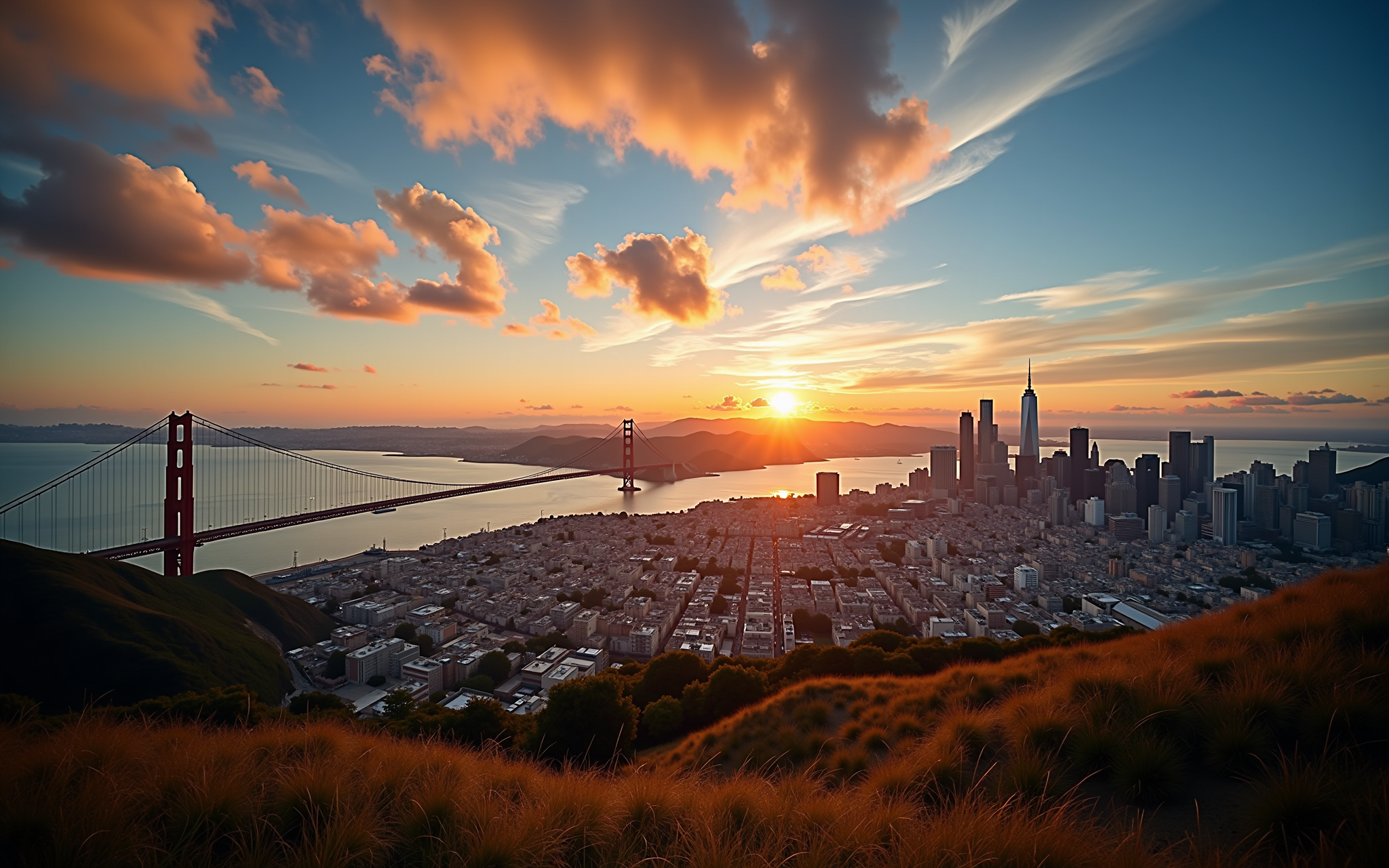
San Francisco feels like a city that never stops rearranging itself, and that’s part of its charm. You can start a morning in the Mission with a Mission‑style burrito from La Taqueria — about $9 for a filling, slightly spicy beast that’s become a rite of passage — then hop on a historic cable car and climb up to Twin Peaks for a 360‑degree view that still makes the fog roll in like a slow‑moving blanket. The neighborhoods each have a personality: Chinatown’s lantern‑lit alleys, North Beach’s Italian cafés where you can sip an espresso and watch locals argue over the best espresso shot, and the Fisherman’s Wharf area where the sea‑salted scent of fresh Dungeness crab meets the clatter of sea‑lion‑watching tourists. If you’re into food, the cioppino at Scoma’s on the wharf is a must; a bowl runs around $22 and tastes like the Pacific in a single spoonful.
Who ends up loving it? People who thrive on contrast — tech‑savvy folks who can wander from a sleek Silicon Valley office to a street‑art‑covered alley in the Mission in under ten minutes. Outdoor lovers who don’t mind a steep walk will find the trails up to Lands End or the coastal path through the Presidio both challenging and rewarding. And anyone who appreciates a good story will enjoy the old‑world vibe of the Painted Ladies on Alamo Square or the quiet contemplation inside the de Young Museum’s contemporary art wing. The vibe is laid‑back yet undeniably driven; you’ll hear the hum of electric scooters, the clink of glasses in a craft‑beer bar in the Dogpatch, and the occasional jazz improv spilling out of a basement club in the Fillmore. It’s a place you can explore on foot for days and still discover something new around the next hill.
Sightseeing
- Cable Car ride from Powell to Hyde – Hop on the historic cable car for a 30‑minute loop that drops you right at the top of Lombard Street’s “crooked” stretch. Cost: $8 (single ride). Time: 30 min.
- Exploratorium at Pier 15 – Hands‑on science exhibits with Bay views; the Tactile Dome is a must‑see if you’re curious. Cost: $30 (adult). Time: 2 hr.
Food_drink
- Sotto Mare (North Beach) – No‑frills seafood pasta; the linguine with clams is consistently praised. Cost: $25‑$35 per entrée. Time: 1.5 hr (including a quick walk to the waterfront).
- Ramen Nagi (Mission) – Rich tonkotsu broth with a soft‑boiled egg; lines move fast but the bowl is worth it. Cost: $13. Time: 45 min.
Outdoor_nature
- Twin Peaks sunrise hike – A short 15‑minute climb rewards you with 360° city panoramas and fog‑watching. Cost: Free. Time: 1 hr (including photo stops).
- Muir Woods National Monument – Walk among old‑growth redwoods on the easy 2‑mile loop; shuttle from Sausalito saves a drive. Cost: $15 (parking/shuttle). Time: 3 hr.
Nightlife
- The Chapel (Mission) – Converted church turned music venue; catch an indie band for a gritty, intimate show. Cost: $15‑$25 cover (varies). Time: 2‑3 hr (show length).
Cultural
- Asian Art Museum (SoMa) – One of the largest Asian art collections in the West; the rotating special exhibit is usually free on the first Tuesday. Cost: $15 (adult). Time: 1.5 hr.
Day_trip
- Napa Valley wine tasting (St. Helena) – Book a half‑day shuttle that drops you at three boutique wineries; the “reserve” tasting includes a cheese plate. Cost: $85 (shuttle + tasting). Time: 5 hr.
Tip: If you’re short on time, swap the full Muir Woods loop for a quick photo stop at the Golden Gate Overlook — free, 15 min, and still iconic.
Budget – 2 picks
The Mosser Hotel – SOMA – $150‑180 /night – You get a central location and clean rooms without the tourist markup.
HI San Francisco Hostel – Union Square – $90‑120 /night – Great for solo travelers who want a social vibe and easy walking distance to cable cars.
Mid‑range – 2 picks
Hotel Zephyr – Fisherman’s Wharf – $250‑300 /night – Steps from Pier 39, rooftop bar with Bay views, and a fun, lively lobby.
The Galleria House – Union Square – $260‑320 /night – Boutique feel, quiet courtyard, and a short stroll to high‑end shopping.
Luxury – 2 picks
The Fairmont San Francisco – Nob Hill – $550‑700 /night – Iconic hotel with historic charm, stunning city vistas, and impeccable service.
The St. Regis San Francisco – Union Square – $650‑800 /night – Luxury suites, personalized butler service, and a prime location for exploring downtown.
Getting to San Francisco – the quick‑and‑real guide
1. The airports you’ll actually use
| Airport | IATA | Why it matters |
|---|---|---|
| San Francisco International | SFO | Main hub, 15 mi from downtown, best connections. |
| Oakland International | OAK | Cheaper on some low‑cost carriers; 20 mi across the Bay. |
| San Jose International | SJC | Smallest of the three, 45 mi south; handy if you’re staying in the South Bay. |
If you land at OAK or SJC you’ll still need a short ride into the city—BART, shuttle buses, or a quick Uber. Most travelers book SFO because it has the most nonstop options and a decent rail link (BART) that drops you at the Embarcadero in about 30 minutes.
2. Typical flight times from the big hubs
| From | Typical nonstop time | Example flight (economy) |
|---|---|---|
| New York (JFK) | 5 h 30 m | United 883, $320 round‑trip. |
| London (LHR) | 10 h | British Airways BA112, $850 one‑way. |
| Dubai (DXB) | 15 h (usually with one stop in either Istanbul or Doha) | Emirates EK324, $1150 one‑way. |
| Hong Kong (HKG) | 12 h (often one stop in Vancouver or Tokyo) | Cathay Pacific CX331, $950 one‑way. |
These times are averages; actual gate‑to‑gate can shift by an hour depending on wind, layovers, or the airline’s schedule. If you’re chasing the cheapest seat, be ready to add a layover in Seattle or Denver—both can shave $50‑$100 off the fare.
3. Ground transport alternatives (if you’re already in California)
- Amtrak: The California Zephyr from Los Angeles to Emeryville (just east of San Francisco) takes about 12 hours and costs $150‑$250 in coach. It’s a scenic, budget‑friendly way to avoid a flight altogether.
- Greyhound / Megabus: Direct buses from Sacramento, Los Angeles, or Las Vegas run 8‑12 hours and hover around $30‑$70. They’re slow but often leave from city centers, so you skip the airport shuttle.
- Driving: I‑5 and US‑101 are the main arteries. From LA it’s roughly 6 hours (380 mi) with tolls and gas adding $70‑$100. If you’re already on a road trip, this is the most flexible option.
4. Visa & entry basics for U.S. citizens
You don’t need a visa to step onto San Francisco soil. A valid government ID (driver’s license, passport, or state ID) is all that’s required for domestic flights. International travelers, however, must check the U.S. Visa Waiver Program: most European, Asian, and Oceanic nationals can enter with an approved ESTA (Electronic System for Travel Authorization). The ESTA costs $21, is valid for two years, and lets you stay up to 90 days. If your passport isn’t from a VWP country, you’ll need a standard B1/B2 tourist visa—expect a 2‑4 week processing time.
5. Approximate airfare ranges (economy, round‑trip)
| Origin | Low end | High end | Typical sweet spot |
|---|---|---|---|
| NYC (JFK) | $250 | $600 | $300‑$400 on a Tuesday‑Wednesday flight. |
| London (LHR) | $600 | $1,200 | $750‑$950 if you book 6‑8 weeks ahead. |
| Dubai (DXB) | $800 | $1,500 | $950‑$1,150 on Emirates or Qatar Airways. |
| Hong Kong (HKG) | $700 | $1,300 | $900‑$1,200 on Cathay Pacific or United. |
These numbers are based on a quick scan of major carriers (United, Delta, British Airways, Emirates, Cathay Pacific) as of late 2024. Prices jump during major events—think Outside Lands, the Silicon Valley Comic Con, or the Chinese New Year—so if you’re traveling then, add a $150‑$300 buffer.
6. Quick tip: Pair your arrival with a bite
Touch down at SFO and you’ll be within 30 minutes of North Beach—the city’s Little Italy. Walk a few blocks to Tony’s Pizza Napoletana and order the Margherita for $18; it’s a solid, no‑frills slice that’ll ground you after a long flight. If you’re craving something spicier, head east to the Mission District and grab a Burrito Bowl from La Taqueria—$9, loaded with carne asada, black beans, and fresh salsa. Both spots are easy to reach via BART or a short Uber ride.
Bottom line
- Fly into SFO for the smoothest connection.
- Expect 5‑15 hour flights depending on where you’re coming from.
- No visa needed if you’re a U.S. citizen; just bring an ID.
- Budget $250‑$1,500 for a round‑trip ticket, and consider the train or bus if you’re already on the West Coast.
- Once you’re in town, treat yourself to a cheap, iconic meal in North Beach or the Mission—your first taste of San Francisco will feel like a win.
Safe travels, and enjoy the fog.
San Francisco by the month – what you really need to know
January
The city is quiet. Daytime highs hover around 57 °F, and you’ll see a few rain showers that keep the streets glossy. Hotels drop 15‑20 % from their summer peak, so a night in the Financial District will set you back roughly $180 instead of $260. Flight deals pop up after the holidays, especially if you book a mid‑week ticket. The Chinese New Year parade in Chinatown draws locals and tourists alike, and the fireworks over the Bay are free to watch from the Embarcadero. If you don’t mind a light coat, it’s a cheap, low‑key month.
February
Similar weather, but the rain eases a bit. Crowds stay thin until Presidents’ Day weekend, when a modest bump shows up in hotel occupancy. A sushi dinner in the Mission will still be around $25 for a roll, and a cable‑car ride costs $8. The Bay Area Marathon brings runners and spectators, but the streets stay manageable. This is a solid month for budget travelers who want to explore neighborhoods without fighting the tour buses.
March
Temperatures climb into the low 60s, and the fog lifts enough to make the hills feel sunny. Hotel rates start to creep up, but you can still snag a room in North Beach for about $210 if you book early. St. Patrick’s Day brings a handful of Irish pubs to life in the SOMA district, and the price of a pint stays under $7. Crowds are still moderate, making it a good time to snag a table at a popular brunch spot without a long wait.
April
Spring is in full swing. Daytime temps sit in the high 60s, and the city feels alive with the SF International Film Festival buzzing in the Mid‑Market area. Festival tickets range from $30 to $150, and nearby restaurants see a slight price bump. Hotel nights hover around $230 in the Hayes Valley district. Crowds are higher because of the festival, but they’re still far from the summer crush. If you love indie films and a lively street scene, April is a sweet spot.
May
The weather turns reliably pleasant—think 65‑70 °F with occasional drizzle. This is the first true shoulder season. Hotel prices dip back toward $200 in the Union Square area, and flight fares stay moderate. The Bay to Breakers race draws a few thousand runners, but the route is spread out, so you won’t feel the crush. A Mission‑style burrito from a local taqueria still costs about $9. I’d call May the best month for a balance of weather, price, and crowd level.
June
Summer kicks in with sunnier days and temperatures in the high 60s to low 70s. Hotel rates jump to $260‑$300 in popular neighborhoods like the Marina and the South of Market. Flight prices rise too, especially for weekend trips. The LGBTQ+ Pride parade floods Market Street, and the city feels electric, but expect longer lines at popular eateries. If you’re okay with a livelier vibe and higher costs, June works, but it’s not the cheapest option.
July
Peak summer. Daytime temps often hit the mid‑70s, and the fog is a rare visitor. Hotels in Fisherman’s Wharf can exceed $350 per night, and restaurant menus feature premium seafood at $30‑$45 per entrée. Crowds are at their densest—lines outside the de Young Museum can stretch 30 minutes. The Outside Lands music festival brings big acts to Golden Gate Park, and tickets run $150‑$250. I’d only recommend July if you thrive in a bustling, high‑energy environment and don’t mind paying a premium.
August
Heat is rare, but the humidity can feel sticky. Hotel rates stay high, hovering around $300 in the Nob Hill area, and flights are priced similarly to July. The San Francisco Jazz Festival fills the streets of the Fillmore with live music, and nearby cafés see a price bump on coffee—expect $5 for a latte. Crowds are still thick, especially around the waterfront. It’s a good month for music lovers, but not for budget travelers.
September
The weather softens into a perfect shoulder season. Daytime temps settle in the high 60s, and the fog returns in a gentle, picturesque way. Hotel rates dip back to $210‑$240 in the SoMa district, and flight prices dip a notch. The hard‑core crowds thin out, making it easier to snag a table at a trendy restaurant in the Mission without a reservation. The Fleet Week air show brings occasional flyovers, but the streets stay relatively calm. This is my personal sweet spot—good weather, lower prices, and manageable crowds.
October
Cooler evenings and crisp mornings dominate. Temperatures swing between 55‑65 °F, and the city’s famous foggy mornings become a daily ritual. Hotel rates stay in the $200 range, especially in the historic hotels of the Financial District. The Hardly Strictly Bluegrass festival fills Golden Gate Park with free concerts, and the surrounding neighborhoods see a modest uptick in foot traffic. Prices for a dinner at a Michelin‑starred spot in the Richmond District can hit $120 per person, but you can still find a solid seafood chowder bowl for $12. October feels like the city’s most relaxed month.
November
Rain returns more frequently, and daytime highs dip into the low 60s. Hotel rates dip further, often under $180 in the Hayes Valley area, and flights become cheaper after the Thanksgiving rush. The Thanksgiving Day Parade on Market Street draws locals, but the crowds are concentrated near the Civic Center, so you can easily avoid them. A hot cup of coffee at a corner café in the Richmond District will cost about $3.50. If you don’t mind a few showers, November is a quiet, affordable option.
December
The holiday season lights up the city. Temperatures hover around 55 °F, and the chance of rain increases. Hotel rates climb again, especially in the Union Square vicinity, where a night can easily top $300. However, you’ll find festive decorations in Union Square, and the Christmas tree lighting ceremony is free to watch from the steps of City Hall. A hot chocolate at a bakery in the Financial District runs about $4. Crowds are moderate, centered around shopping districts, but they thin out after New Year’s Eve. If you love the holiday vibe and don’t mind higher prices, early December works; otherwise, wait until after the 31st for the best deals.
Bottom line
If you want the best mix of weather, price, and crowd control, aim for late May through early June or September through early October. Those windows give you mild temperatures, hotel rates in the $200‑$230 range, and enough breathing room to explore neighborhoods without battling tour‑bus queues. Skip July and August if you’re watching your budget, and bundle your trip around the shoulder months for the most value. Safe travels!
This destination has no standout season — it works year-round.
Scores blend climate, rainfall, and activity fit — beach. Temperatures and rainfall are historical monthly averages; actual conditions vary year-to-year.
Forecast data from Open-Meteo · refreshed hourly
What travelers say.
Loading reviews…
Sign in to leave a review.
Sign in →If San Francisco is your speed, try these.
Istanbul
🇹🇷 TR91%Istanbul feels like a city that never stops surprising you, and that’s exactly why it sticks in the memory. Walk across the Galata Bridge at sunrise and you’ll see fishermen hauling in fresh catch whi…
Cape Town
🇿🇦 ZA90%Cape Town feels like a place where the mountains meet the sea and the city’s pulse is set by both. You can be sipping a flat white in Sea Point, watching the sunrise over the Atlantic, then hop on a s…
Vancouver
🇨🇦 CA90%Vancouver feels like a city that’s been stitched together from mountains, water, and a patchwork of neighborhoods that each have their own rhythm. In Gastown you’ll hear the clink of glass at the hist…
