
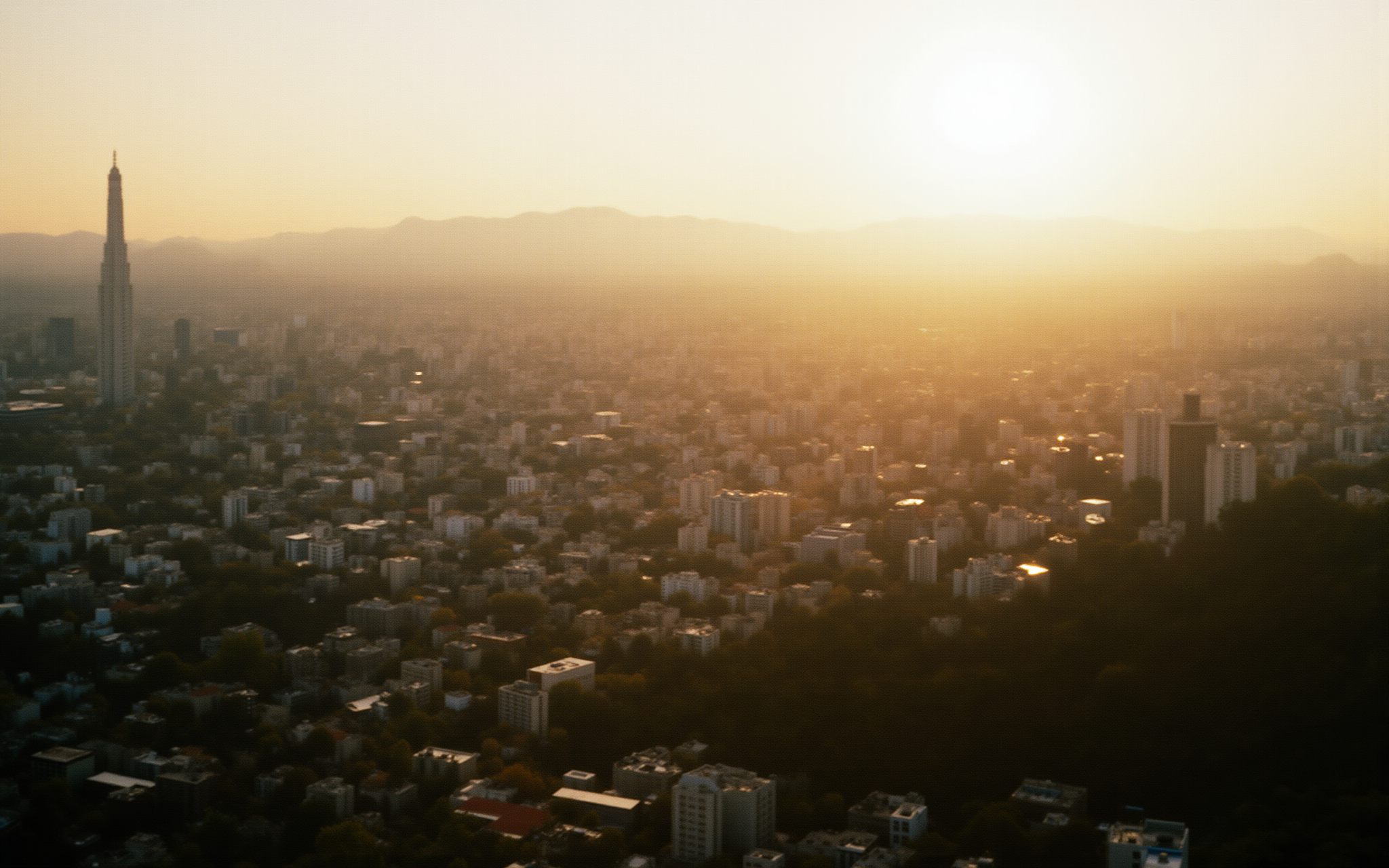
Seoul feels like a city that never stops rearranging its own furniture, yet somehow you always end up exactly where you need to be. Walk down the tree‑lined streets of Ikseon‑dong, where narrow alleys are packed with hanok‑style cafés serving pour‑over coffee for about 5,000 KRW and walls plastered with vintage movie posters. A short subway ride brings you to Hongdae, the student‑driven arts district where live bands spill onto the pavement and you can snag a plate of spicy tteokbokki for under 4,000 KRW at a stall that’s been there since the ’90s. If you’re into markets, head to Gwangjang and line up for fresh mayak kimbap—those little sea‑weed rice rolls that taste like a salty‑sweet surprise at 2,500 KRW a pack.
What sets Seoul apart is the way it blends ultra‑modern skylines with centuries‑old traditions in a single breath. You can sip a craft beer in the sleek rooftop bar of Mullae‑dong, watching the neon lights flicker over the Han River, then hop on the subway to Jongno and step into the grand courtyard of Gyeongbokgung Palace, where the changing of the guard happens every hour on the hour. The vibe is energetic but never frantic; locals move at their own pace, whether they’re scrolling through a K‑pop chart on a bus or bargaining for handmade accessories in the bustling Namdaemun market. If you love food, the city is a playground—think galbi at a charcoal‑grilled spot in Gangnam that charges about 15,000 KRW per set, or a midnight bowl of jjajangmyeon in Mongneung for roughly 6,000 KRW. Travelers who thrive on contrast—history next to hyper‑tech, quiet tea houses beside karaoke rooms—will feel right at home here. And if you’re the type who enjoys mapping out a day with a mix of street art, temple bells, and a few well‑placed coffee breaks, Seoul will give you plenty to chew on.
Sightseeing
- Gyeongbokgung Palace – Main Hall & Changing‑of‑the‑Guard ceremony – Walk the grand courtyards and watch the guards in traditional uniforms; the ceremony starts at 10 am and repeats hourly. $10 entry, 2 hrs.
- Bukchon Hanok Village – Stroll narrow lanes of preserved hanok houses perched on a hill, with city views over the rooftops. Free, 1.5 hrs.
Food & Drink
- Myeongdong Kyoja – Kalguksu (hand‑pulled noodle soup) – A bowl of thick wheat noodles in a clear broth with sliced scallions and seaweed, praised for its clean flavor. $8, 45 min.
- Hongdae – Manguddeok (spicy pork belly on a hot stone plate) – Sizzling pork belly served over a bubbling stone, perfect for sharing with friends. $12, 1 hr.
Outdoor Nature
- Namsan Seoul Tower – Base Trail to the Observatory – A paved 1 km uphill walk through forested paths; the view of the city lights at night is worth the climb. Free to hike, $10 for the tower ticket, 2 hrs total.
- Hangang Park – Yeouido Riverside Bike Ride – Rent a city bike and pedal along the riverbank; you’ll pass cherry‑blossom trees in spring and a lively weekend market. $3 for a bike, 2 hrs.
Nightlife
- Itaewon – The 1st Floor of “The Bunker” – A speakeasy‑style bar tucked behind a nondescript door; order the Korean‑style gin cocktail and enjoy low‑key live music. $15 for a drink, 2 hrs.
- Hongdae – “Club FF” (underground electronic scene) – Catch a DJ set in a converted warehouse; the crowd is mostly students and expats, and the entrance fee is cheap. $5 cover, 3 hrs.
Cultural
- National Museum of Korean History – “Ancient Kingdom” exhibit – See original gilt‑bronze crowns and royal seals from the Silla period, curated with interactive displays. $7 entry, 1.5 hrs.
- Insadong – Traditional tea house “Shinchon Tea Room” – Sip hand‑crafted chrysanthemum tea while watching a master perform a tea‑ceremony demonstration. $6 for tea, 1 hr.
Day Trip
- DMZ (Demilitarized Zone) – “Third Infiltration Tunnel” tour – A guided bus tour that takes you into the tunnel and the Freedom Bridge; the guide explains the history in clear terms. $55 (incl. guide and transport), 5 hrs.
Tip: If you’re short on time, prioritize the palace and the DMZ tour; they pack a lot of history into a few hours and give a solid sense of Seoul’s past and present.
Budget (≈ $70‑$130)
- Zzzip Guesthouse Insadong – Insadong – $80‑$110 – Quiet courtyard vibe, steps from tea houses and street‑food stalls.
- Zleep Hotel Seoul Myeongdong – Myeongdong – $90‑$130 – Clean rooms, rooftop bar with city views, perfect for nightlife explorers.
Mid‑range (≈ $150‑$250)
- Shilla Stay Namdaemun – Namdaemun – $160‑$210 – Stylish rooms, easy walk to Namsangol Hanok Village and subway lines.
- L7 Myeongdong by Lotte – Myeongdong – $180‑$250 – Trendy design, rooftop pool, right in the heart of shopping and street‑food alleys.
Luxury (≈ $350‑$700)
- The Shilla Seoul – Yeouido – $450‑$620 – Five‑star service, Korean‑style spa, minutes from COEX Mall and a championship golf course.
- Four Seasons Seoul – Jung‑gu – $550‑$700 – Panoramic Han River views, Michelin‑starred dining, top‑tier concierge for custom itineraries.
Seoul’s main gateway is Incheon International Airport, IATA code ICN. It sits about 45 kilometers west of the city and handles virtually every long‑haul flight you’ll find. If you’re coming from New York, you’ll typically touch down after 14‑15 hours of air time on a nonstop carrier such as Delta or Korean Air; from London it’s a little under 12 hours, and from Dubai or Hong Kong the flight usually lands somewhere between 9 and 10 hours. Those are the numbers you’ll see on the airline’s schedule, and they’re pretty reliable.
Once you’re off the plane, the fastest way into the city is the AREX express train. It whisks you from Incheon to Seoul Station in 43 minutes, and a one‑way ticket costs about 9,500 KRW (roughly $7). If you’re lugging a lot of luggage or you just want to skip the train schedule, a taxi will get you to most districts in about an hour, depending on traffic, and it’ll set you back around 70,000 KRW ($50). The airport limousine bus is a middle ground—about 60 minutes to central Seoul and 12,000 KRW ($9) per ride.
For U.S. citizens, the visa question is simple: you can enter South Korea visa‑free for up to 90 days, provided your passport has at least six months left on it. No pre‑approval or e‑visa is needed, but you’ll have to fill out a short health questionnaire on arrival and be ready to show proof of onward travel if asked.
Airfare from the United States hovers in a fairly predictable band. In off‑peak months—think late autumn or early spring—you can find economy tickets for as low as $800 on a carrier like Asiana or a competitive fare on a U.S. legacy airline. Peak season, especially around the Cherry Blossom festivals in April or the Chuseok holidays in September, pushes the price up toward $1,500 or a bit higher, particularly if you’re after a window seat on a direct flight. Booking roughly two to three months ahead usually lands you in the sweet spot between cheap and convenient.
If you’re looking to stretch your budget a little, consider a stopover in a hub like Dubai or Hong Kong. Flights that route through those airports often come with a lower base fare, and you get a chance to break up the journey with a quick city tour—maybe a bowl of ramen at a night market in Hong Kong or a quick dune‑ride in Dubai before you even set foot in Seoul.
A quick tip for first‑timers: hop on the subway from Seoul Station (Line 1 or Line 4) and you’ll be whisked to neighborhoods that feel instantly alive. In Myeongdong you’ll find street‑side tteokbokki stalls where a serving costs about 2,000 KRW ($1.50); in Insadong, a traditional tea house will charge roughly 8,000 KRW for a cup of hand‑pressed barley tea; and down in Hong dae, a plate of kimchi jjigae at a modest eatery will set you back around 9,000 KRW ($6.50). Those prices are a good gauge of what to expect for everyday meals, and they’re cheap enough that you can sample a few dishes without thinking twice.
In short, getting to Seoul is straightforward: fly into ICN, choose the train, taxi, or bus based on how much luggage you have and how fast you want to be in the city, remember you don’t need a visa for short stays, and keep an eye on airfare trends if you’re flexible with travel dates. Once you’re there, the subway will be your best friend for zipping between the buzz of Gangnam, the historic lanes of Bukchon, and the hip cafés of Itaewon—all within a few stops and a couple of dollars each ride. Safe travels, and enjoy the first bite of that hot, spicy pork belly you’ll find in a hidden alley near Noryangjin Market.
Seoul, month by month
January – February
Cold bites hard. Daytime highs hover around 0 °C, nights dip below –10 °C. Snow is common, especially on the hills of Namsan and the trails of Bukhansan. Crowds are thin; you’ll have the subway to yourself and can snag cheap hotel rooms (≈ 70,000 KRW for a double‑room in Hongdae). The downside: many outdoor attractions close early, and the wind off the Han River can be brutal. If you love winter festivals, the Seoul Lantern Festival in Cheonggyecheon (late January) is worth the shiver. Expect higher airfare from North America and Europe because of the holidays.
March
Early spring brings a mix of chill and sunshine. Temperatures swing 5‑15 °C. Rain is still occasional, but the city starts blooming in the Gwanghwamun Plaza gardens. Tourist numbers rise modestly; you’ll notice more foreign backpackers in Itaewon but still plenty of space at the Bukchon Hanok Village. Hotel rates stay low (≈ 80,000 KRW). Look out for Seollal (Lunar New Year) if it falls in March—streets fill with families, and many shops close for a few days.
April – May (sweet‑spot)
These two months are the golden window. Average highs climb to 20‑25 °C, lows stay comfortable at 10‑15 °C. Cherry blossoms explode in Yeouido and Seokchon Lake—the petals drift like pink snow. Crowd levels are manageable; the subway is busy but not packed, and you can snag a room in Myeongdong for about 100,000 KRW. Prices for flights dip after the Korean New Year rush, making this the cheapest period to fly in from most continents.
Events: Seoul International Film Festival (late April) and Children’s Day (May 5) bring free outdoor screenings and street performances.
June – August (summer)
Heat and humidity dominate. Daytime temps hit 30 °C, with occasional thunderstorms that can flood low‑lying streets. The city feels alive: street food stalls in Gwangjang Market serve sizzling tteokbokki for under 5,000 KRW, and rooftop bars in Itaewon stay open until midnight. Tourist crowds peak, especially in Hongdae and Myeongdong, pushing hotel rates up to 150,000 KRW. If you don’t mind the sweat, the Boryeong Mud Festival (late July) in nearby Daecheon is a wild, cheap day‑trip (train ≈ 45 min, 12,000 KRW round‑trip).
September – October (second sweet‑spot)
Autumn is arguably the best time. Temperatures settle at 15‑22 °C, skies stay clear, and the foliage turns fiery in Namsan and Seokchon. Crowd levels drop after the summer rush, yet the city still buzzes with cultural events. Hotel rooms in Jongno dip back to 90,000 KRW. Flights are still reasonably priced, especially if you avoid the Korean Thanksgiving (Chuseok) late‑October rush.
Events: Seoul Design Week (early October) showcases cutting‑edge installations across Dongdaemun Design Plaza; the Lantern Festival returns in November but the early‑October version in Cheonggyecheon is already a visual treat.
November – December
Winter returns, but the chill is milder than January. Temperatures hover 0‑10 °C. The city decorates for the holidays; Gwanghwamun and Myeongdong sparkle with light installations. Crowds thin again, and you can find bargain stays in Insadong for around 80,000 KRW. However, many attractions close early, and the cold can make wandering the Han River bike paths uncomfortable. If you’re after festive vibes, the Christmas Market in City Hall offers mulled wine (≈ 8,000 KRW) and handmade crafts.
Bottom line
- Best value and weather: late April to early June or late September to early October.
- Cheapest travel: January–March (except when Chuseok lands in March).
- Most lively but pricey: June–August, especially around major festivals.
Pick the window that matches your tolerance for weather, crowds, and budget, and you’ll get the most out of Seoul without paying for a luxury hotel or battling a sea of tourists. Safe travels.
October, May, and June are the strongest windows for exploring the city.
Scores blend climate, rainfall, and activity fit — shoulder city. Temperatures and rainfall are historical monthly averages; actual conditions vary year-to-year.
Forecast data from Open-Meteo · refreshed hourly
What travelers say.
Loading reviews…
Sign in to leave a review.
Sign in →If Seoul is your speed, try these.
Hong Kong
🇭🇰 HK88%Hong Kong feels like a city that never stops moving, but it’s also a place you can explore at your own pace. In the morning you can sip strong milk tea at a cha chaan teng in Mong Kok, then wander the…
Tokyo
🇯🇵 JP88%Tokyo feels like a city that never stops moving, but it’s also surprisingly easy to find a quiet corner if you know where to look. In Shinjuku the skyline is a wall of neon and glass, yet just a few b…
Vancouver
🇨🇦 CA87%Vancouver feels like a city that’s been stitched together from mountains, water, and a patchwork of neighborhoods that each have their own rhythm. In Gastown you’ll hear the clink of glass at the hist…
