
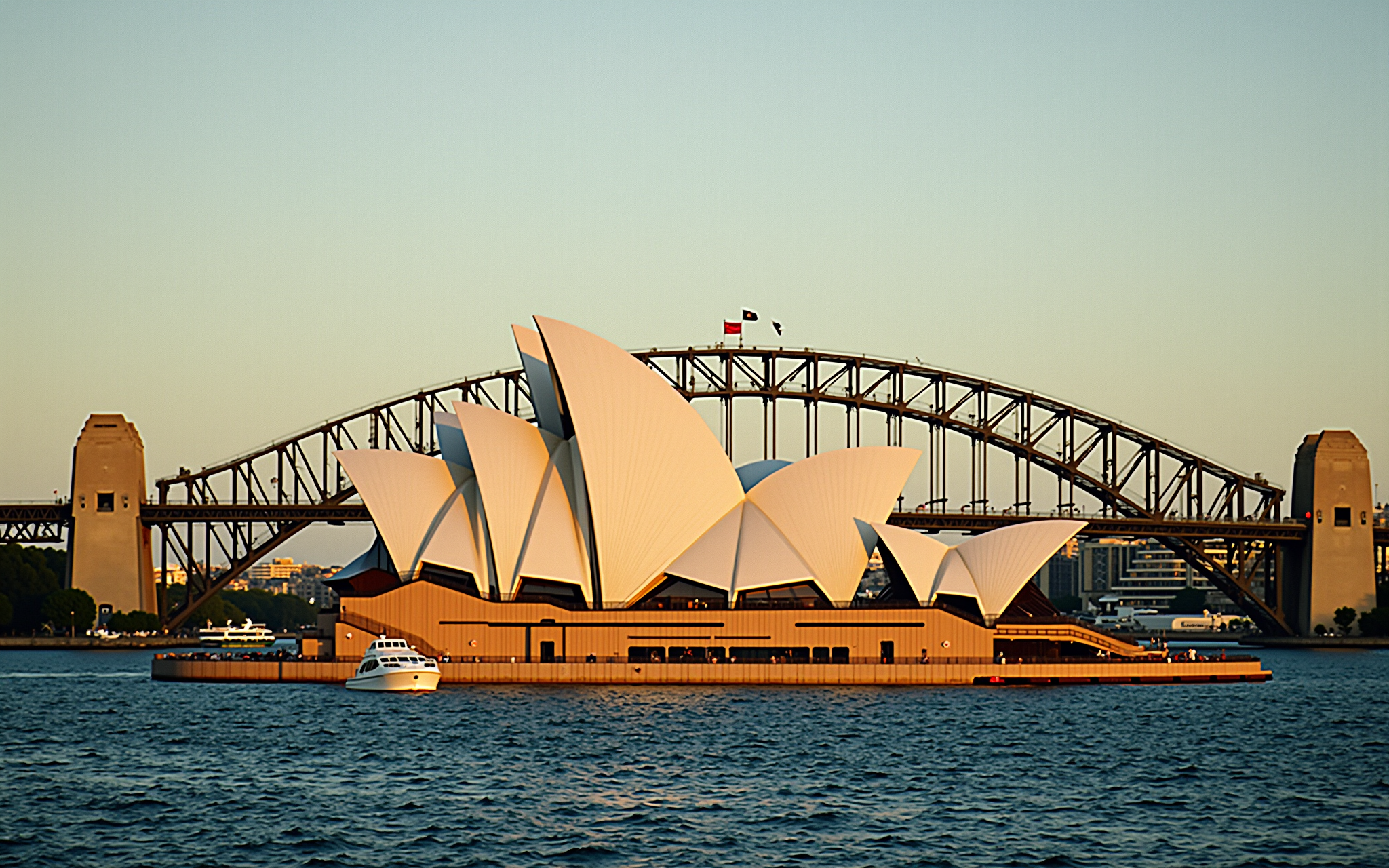
Sydney
Destination · city · 🇦🇺 AU

Sydney

33°52'08"S·151°12'33"E
citybeachfood drinknature
← Explore more
01Overview

Sydney feels like a city that’s always half‑sun, half‑sea. You can start a morning in Surry Hills, tucking into a buttery meat‑pie from a tiny bakery on Oxford Street, then hop on a tram and be sipping coffee with a view of the Opera House before lunch. By afternoon the vibe shifts to the sand at Bondi—people jog along the promenade, surfers wait for the next set, and the line at the fish‑and‑chips shop on Campbell Parade stretches out the door. If you’re into multicultural food, head to Chinatown after dark; the dumpling stalls in Dixon Street serve pork‑and‑chive parcels that are cheap, tasty, and a world away from the overpriced tourist traps near the Harbour.

Who ends up loving Sydney? Anyone who wants a mix of city buzz and open‑air escape. It’s perfect for travelers who like to wander through art‑filled laneways in Newtown, then catch a ferry to Manly for a sunset that actually lives up to the postcard. Families with kids often gravitate toward Taronga Zoo—easy to reach by a 12‑minute ferry from Circular Quay—and the kids love the koala cuddle‑up. Couples who enjoy a bit of everything—great coffee, fresh seafood at The Rocks, a night out in Darling Harbour—find the city surprisingly easy to navigate, even with a stroller or a bike. In short, if you crave a place where you can surf, shop, and eat your way through distinct neighborhoods without feeling like you’re ticking boxes, Sydney delivers.

02Things to Do

Sightseeing

  • The Rocks Historic Walking Tour – Stroll cobblestone lanes, peek into heritage pubs and the Argyle Gallery; $25; ~2 hrs.
  • Sydney Harbour Bridge Pylon Lookout – Climb the southern pylon for sweeping harbour and city views; $18; ~1 hr.

Food & Drink

  • White Rabbit (East Sydney) – Enjoy modern Australian plates, especially the slow‑cooked lamb shoulder; $45 per person; ~1.5 hrs.
  • Tetsuya’s (Darlinghurst) – Experience a 10‑course Japanese‑Australian degustation; $300 per person; ~3 hrs.

Outdoor Nature

  • Barangaroo Reserve – Wander 10 ha of native bushland with harbour vistas; free; ~1 hr.
  • Watsons Bay – The Gap – Walk the coastal track to the dramatic cliff formation; free; ~1.5 hrs.

Nightlife

  • The Ivy Pool Club – Relax with a cocktail by the rooftop pool in the CBD; $20 for a drink; ~2 hrs.

Cultural

  • Museum of Contemporary Art (MCA) – Browse cutting‑edge Australian and international exhibitions; $15; ~1.5 hrs.

Day Trip

  • Blue Mountains Scenic World – Catch the train to Katoomba, then ride the cable‑way, skyway and cliffhanger for waterfall panoramas; $70; ~6 hrs.
03Where to Stay
  • The Urban Newtown – Newtown – $120–$150 USD – stylish boutique, walk to King Street’s street art and cheap eats.
  • YHA Sydney Harbour – Circular Quay – $130–$170 USD – budget‑friendly, ferry to the Opera House in 5 minutes.
  • Art Series The Ultimo – Ultimo – $210–$260 USD – contemporary design, steps from White Rabbit Gallery and dim sum at Gourmet Plaza.
  • Mantra on George – CBD – $230–$280 USD – quiet courtyard, easy walk to the Queen Victoria Building and coffee at Reuben Hills.
  • The Langham, Sydney – Circular Quay – $550–$700 USD – iconic harbour views, spa, and Michelin‑starred seafood at The Wharf.
  • Park Hyatt Sydney – The Rocks – $650–$850 USD – private butler service, rooftop pool, and a 10‑minute walk to the Museum of Contemporary Art.
04Getting There

Getting to Sydney – the nuts and bolts

Airports you’ll actually use

  • Sydney Kingsford Smith (SYD) – the only international hub in the city. Most carriers land here, from New York to Dubai.
  • Newcastle (NTL) – about 150 km north. Only a few domestic flights; you’ll need a bus or train to reach SYD if you touch down here.
  • Canberra (CBR) – 280 km away, mostly for regional travel. Not a practical option for most tourists.

Typical flight times from the big hubs

  • New York (JFK or EWR) → SYD: 18–20 h total, usually with one stop in Los Angeles or Melbourne.
  • London (LHR) → SYD: 21–22 h, often a single stop in Doha or Singapore.
  • Dubai (DXB) → SYD: 17 h, direct on Emirates or Qantas.
  • Hong Kong (HKG) → SYD: 10 h, direct on Cathay Pacific or Qantas.

Alternative ground transport
If you happen to land at Newcastle (NTL), catch the NSW TrainLink bus to Sydney. It’s a 2‑hour ride, costs about AUD 15 one‑way, and drops you at the city’s Central Station. From there a 15‑minute train ride gets you to Kirribilli or Surry Hills.

Visa for U.S. citizens

  • No traditional visa needed for tourism or short business trips.
  • You’ll need an eVisitor (subclass 651) or an Electronic Travel Authority (ETA, subclass 601). Both are applied for online, cost AUD 20, and are approved within minutes.
  • Your passport must be valid for at least six months from your arrival date.
  • The stay limit is 90 days per visit. If you plan to work or study, you’ll need a separate visa.

Airfare ballpark

  • Economy: USD 900–2,500 depending on season. Peak periods (Australian summer, holidays) push prices toward the top end.
  • Premium economy: USD 2,200–4,500.
  • Business: USD 4,000–9,000 on full‑service carriers.
  • Booking 2–3 months ahead usually lands you the lower half of that range.

Quick tip for first‑timers
Land at SYD, grab a meat pie from the bakery in The Rocks (about AUD 4) and hop on the T8 Airport Line to the city centre. It’s a 13‑minute ride, clean, and drops you right near Circular Quay — perfect for a first‑day walk to the Opera House or a coffee in Kirribilli. If you’re watching the budget, skip the pricey harbor‑view restaurants in the CBD and head to Surry Hills for a $12 bowl of ramen that locals swear by.

Safe travels, and enjoy the city’s mix of surf, skyline, and solid coffee.

05Best Time to Visit

If you’re trying to pin down the perfect window for a Sydney trip, think of the city as a calendar that shifts with heat, crowds and price tags. Here’s how each month stacks up, written the way a well‑traveled friend would explain it over coffee.

January hits with full‑on summer heat and a packed harbour. Daytime temps often push past 30 °C, and the Australia Day fireworks on the 26th draw huge crowds, which means hotel rates climb and meals feel a bit pricier. The Sydney Festival runs all month, filling galleries and outdoor stages with free shows, so you can soak up culture without spending a fortune on tickets. If you love buzzing energy and don’t mind paying a premium, the first two weeks are doable; after that the heat and the throngs start to wear thin.

February stays hot but the humidity eases a touch, making evenings more comfortable for a stroll along the waterfront. The Mardi Gras parade rolls through the city, and Chinatown lights up for Chinese New Year, giving you a splash of colour without the midsummer crush. Hotel prices stay in the mid‑range, especially if you book early, but you’ll still see a bump around the long weekend. I’d suggest the second half of the month if you want milder weather and a chance to see the floats without the peak crush.

March brings the tail end of summer and the first real hint of autumn, so daytime temps settle around the low 20s. Tourist numbers dip noticeably, and you can snag decent airfare deals if you’re flexible. The Mardi Gras finale still draws a crowd, but it’s more about the after‑parties than the main march. Prices stay moderate, especially for accommodation a short walk from the city centre. If you like a mix of warm weather and fewer people, early March is a sweet spot.

April is when Sydney starts to feel like a proper autumn. Daytime highs hover in the high teens, and the crowds that surged over the summer have largely moved on. Easter weekend brings a surge of families, so expect some price spikes on flights and hotels, but the rest of the month stays affordable. The Royal Easter Show rolls into the showgrounds, offering rides, food stalls and agricultural displays – a fun, if pricey, experience. I think late April is the best balance of weather, cost and crowd size.

May is one of those quiet months that locals love but tourists often overlook. Temperatures are comfortably cool, the sky is crisp, and the city’s outdoor cafés are buzzing without the summer rush. Flight and accommodation costs drop to their lowest of the year, especially if you book a few weeks ahead. There are no big festivals, which means you can explore the beaches and the Royal Botanic Garden without jostling for space. In my opinion, May is the closest thing to a sweet‑spot shoulder season.

June marks the start of winter, and while the temperature can dip into the low teens, the city’s indoor attractions shine. Vivid Sydney lights up the harbour with massive light installations, drawing huge crowds and pushing up hotel rates. If you’re after that spectacular, be prepared to pay a premium and book well in advance. Otherwise, the cooler weather makes for pleasant walks along the coastal walks, and you’ll find cheaper airfares compared to the summer months. My take: go for the light show if you love art, but otherwise the early part of the month is still reasonably priced.

July is the coldest month, but Sydney’s winter is mild compared to other parts of Australia. Daytime temps often sit around 15‑16 °C, and the crowds are at their lowest. This is the cheapest time to fly in and stay in a central hotel, though you’ll need a light jacket for evenings. There are no major festivals, which means museums and galleries are less crowded – a plus for museum lovers. If you don’t mind a bit of chill, July is a budget‑friendly window.

August stays cool, with similar temperatures to July, and the city’s low‑season vibe continues. Prices remain low, especially if you snag a deal on a boutique hotel in Surry Hills. The lack of big events means you can enjoy the quiet streets and the scenic ferry rides without the usual hustle. However, the weather can be a bit damp, so outdoor plans might need a backup. Overall, August is a solid choice for value seekers who don’t mind a bit of rain.

September signals the shift back to spring, and the weather warms up quickly. Temperatures climb into the low 20s, and the city starts to fill with tourists again, especially around the Royal Easter Show which runs through early September. Prices begin to rise, but they’re still lower than the summer peak. If you’re after a mix of pleasant weather and manageable crowds, the first half of September works well.

October is when Sydney truly feels like spring, with blooming jacarandas lining the streets and comfortable temperatures in the high teens. Crowds are moderate, and hotel rates are still reasonable, especially if you avoid the school‑holiday weeks. The city hosts a range of outdoor concerts and food markets, giving you plenty to do without the summer crush. This period is another sweet‑spot for those who love sunshine but want to steer clear of the peak price surge.

November brings the heat back in full force, and the city starts to fill up again as school holidays kick in. Prices climb, especially for accommodation near the beaches, and you’ll see a surge in domestic travellers. There are a few local events, like the Sydney to Hobart Yacht Race preparations, but nothing that draws massive crowds. If you’re okay with higher costs and a busier vibe, the early part of the month still offers warm weather before the summer peak hits.

December is all about the festive buzz and the lead‑up to New Year’s Eve fireworks over the harbour. The weather is warm, the crowds are at their highest, and everything – from flights to restaurant tables – carries a premium. If you want to ring in the new year with the iconic fireworks, you’ll need to book months ahead and be prepared to pay top dollar. For most travellers, the last couple of days of the month are best saved for a quiet escape elsewhere.

If you’re looking for the sweet‑spot shoulder seasons, aim for late April through early May or mid‑October through early November. Those windows give you mild weather, lower prices and manageable crowds, and they avoid the big festival spikes that can turn a pleasant stay into a scramble for space.

06Best Time to Visit
When to go

December, January, and February are the strongest windows for beach days.

Jan
23°C · 73°F
107mm rain
good
Feb
22°C · 72°F
110mm rain
good
Mar
21°C · 70°F
157mm rain
good
Apr
18°C · 65°F
77mm rain
okay
May
15°C · 59°F
78mm rain
okay
Jun
12°C · 54°F
76mm rain
poor
Jul
12°C · 54°F
72mm rain
poor
Aug
13°C · 55°F
69mm rain
poor
Sep
16°C · 60°F
55mm rain
okay
Oct
18°C · 64°F
75mm rain
okay
Nov
20°C · 67°F
79mm rain
good
Dec
22°C · 71°F
65mm rain
good

Scores blend climate, rainfall, and activity fit — beach. Temperatures and rainfall are historical monthly averages; actual conditions vary year-to-year.

Right now in Sydney
13°C · 56°F
Partly cloudy · daytime
As of Thu 10:13 PM
Next 7 days
Today
28°
10°
·
Sat
21°
9°
·
Sun
21°
7°
·
Mon
21°
8°
·
Tue
20°
11°
·
Wed
21°
11°
·
Thu
22°
12°
·

Forecast data from Open-Meteo · refreshed hourly

Community reviews · 0

What travelers say.

Loading reviews…

Sign in to leave a review.

Sign in →
More like this

If Sydney is your speed, try these.

Reference
/destination/sydney-au