
Why Jeju Island is a Top Pick for Beach Getaways
A volcanic paradise where dramatic coastlines meet relaxed island living.
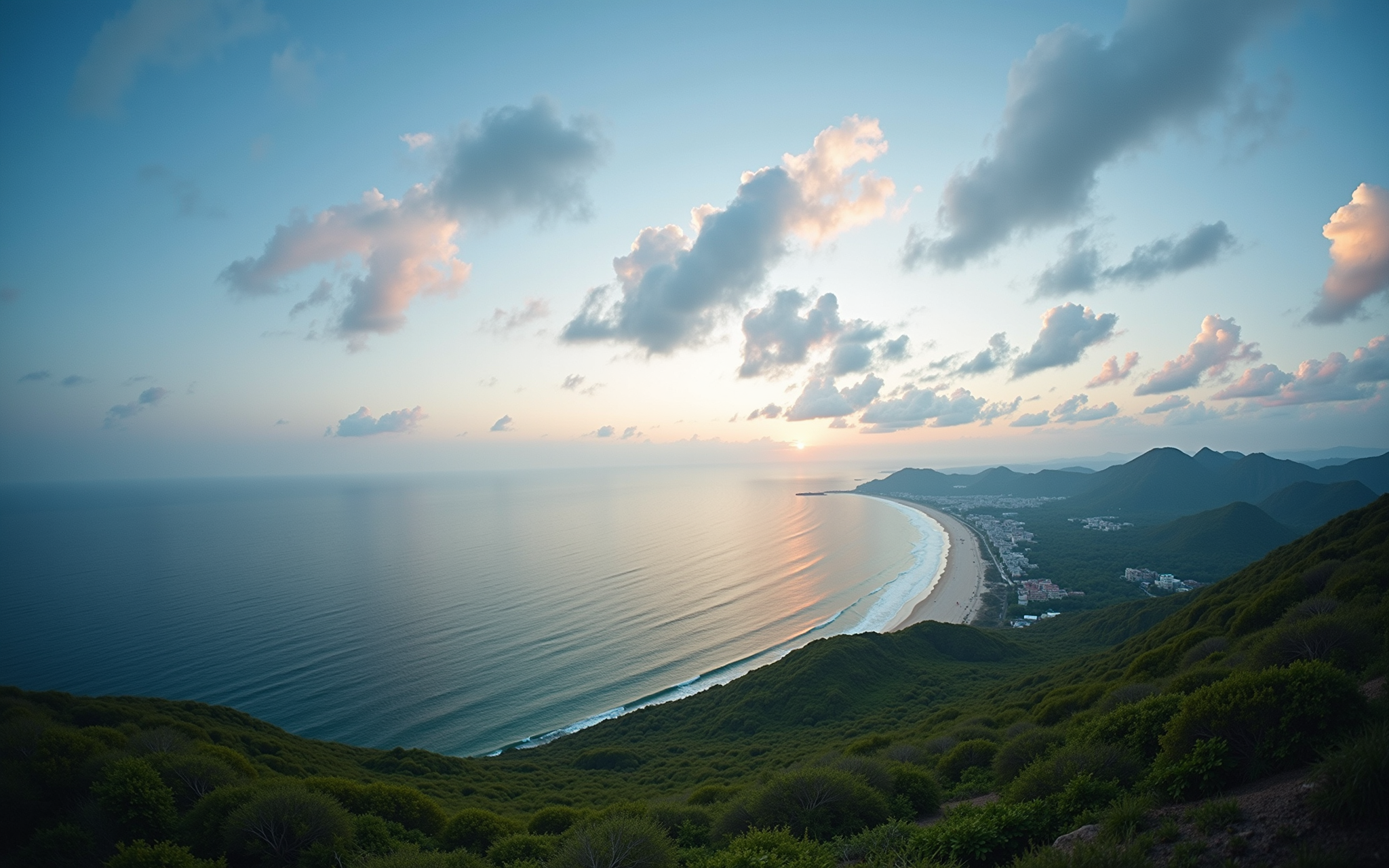
Jeju Island is a standout addition to the Beach Getaways cluster because it offers a coastal experience that is physically and culturally distinct from a standard tropical resort. While many beach destinations focus solely on white sand and palm trees, Jeju combines its shoreline with a dramatic volcanic landscape. You will find stark cliffs that plunge directly into the sea and the constant presence of Hallasan, a massive volcano that dominates the horizon. It is a place where the rhythm of the ocean dictates the pace of life, making it a strong choice for anyone who wants a beach trip with more geological and cultural depth.
The Coastal Appeal of a Volcanic Island
What makes Jeju fit the Beach Getaways theme so well is the variety of its coast. You are not limited to one type of beach. In some areas, you can walk along the crater rim of Seongsan Ilchulbong (Sunrise Peak) to get a 360 degree view of the ocean. This hike takes about 2 to 3 hours and costs around $4 to $6. Other parts of the island offer a look into the unique maritime culture of the region. A visit to the Jeju Haenyeo Museum allows you to learn about the women divers who harvest seafood from the cold waters, a tradition that defines the island's relationship with the sea.
If you want to move away from the shoreline for a moment, you can explore the Manjanggul Lava Tube. These illuminated tunnels provide a cool break from the sun and show you the volcanic origins of the land you are standing on. For those who prefer the heights, the Eorimok Trail in Hallasan National Park offers a 3 km loop with alpine flora and views that stretch all the way to the coast.
Where to Base Your Stay
Depending on the vibe you want, you should choose between the northern hub of Jeju City and the more relaxed atmosphere of Seogwipo. If you prefer luxury and high end service, Shilla Jeju in the Jungmun area is a top choice, offering a luxury spa and dining options featuring fresh abalone. For those who want a central location with a view, the Jeju Grand Hotel in Nampodong features a rooftop pool that looks out over the sea.
Budget travelers will find better value at Jeju Guesthouse Seogwipo, which is a short walk from Jungmun Saekdal Beach and the local night market. If you want to stay closer to the main transport links and city action, Jeju Guesthouse Jeju City in the Jungmun area is a practical option. For those who prefer a more traditional or basic stay, Tap Motel is available as a budget alternative. If you are traveling with a family or a large group, the Jeju Paradise Hotel near the Jeju World Cup Stadium provides spacious rooms and a free shuttle to Jeju Stone Park.
Eating and Drinking on the Coast
The food on Jeju Island is a direct reflection of its geography. You will find that the best meals come from the surrounding sea and the island's volcanic soil. One of the most iconic experiences is eating grilled black pork. You can find this at a tiny stall in Seogwipo's Gwakji-ri, where the meat usually costs between 14,000 and 16,000 KRW per serving. If you prefer a sit down meal, try the black pork BBQ at Daepo, where you can sizzle your own pork slices with a local sauce for around $23 to $27 per set.
For seafood lovers, a bowl of haemul-kalguksu (seafood noodle soup) is essential. You can find these packed with fresh catches at Gukbap Street for about $11 to $13, or visit a spot in Jeju City's Sinseong-dong where prices often stay under 8,000 KRW. For a formal seafood dinner, Udodonggul is a reliable choice. When the sun goes down, head to the Dongmun Night Market or the markets in Tap-dong. Here, you can sample street snacks like grilled squid and jeon, usually spending between $10 and $15 per meal.
Planning Your Visit
The experience of the island changes significantly depending on when you visit. The weather dictates are here for the swimming or the scenery.
| Season | Typical Weather | Crowd Level | Price Range |
|---|---|---|---|
| January to February | Cold (Highs around 5 °C) | Very Low | 30 to 40 % off summer rates |
| March to April | Mild (12 to 15 °C) | Moderate | 20 % higher than winter |
| May to September | Warm to Hot | High | Peak seasonal pricing |
| October to December | Cool and Crisp | Moderate | Mid-range pricing |
If you visit in late January, you can attend the Jeju Ice Festival to see photogenic ice sculptures. If you prefer the colors of spring, early April is the time for the Jeju Cherry Blossom Festival, when the streets of Seogwipo turn pink.
More in this guide
If you are looking for other coastal escapes, you might also enjoy these destinations: