
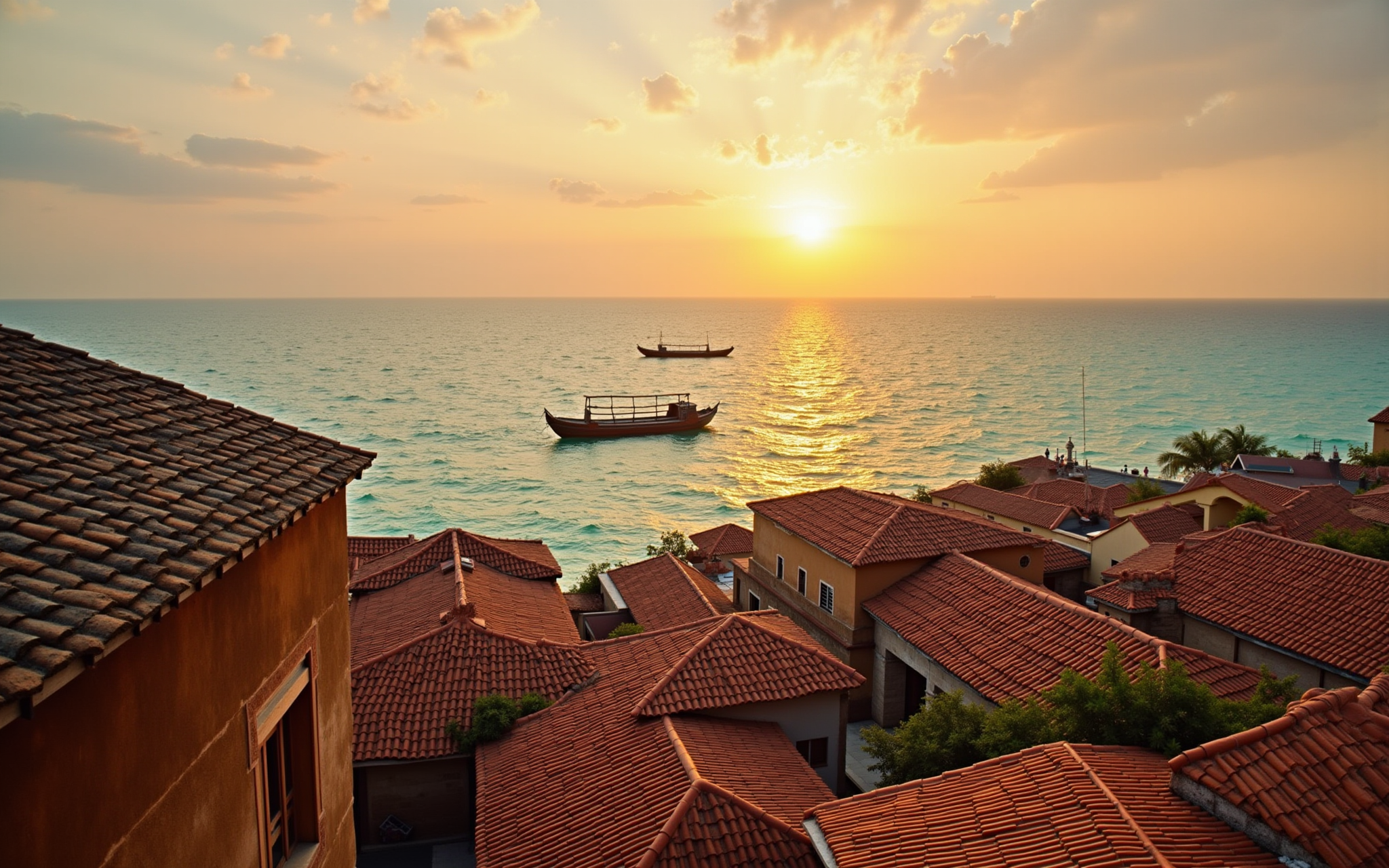
Zanzibar feels like stepping into a place where the sea breeze carries more than just salt—it brings the scent of cloves, cinnamon and cardamom from the spice farms that fringe the island. The old quarter of Stone Town is a maze of coral‑block houses, carved wooden doors and narrow alleys that open onto bustling waterfront cafés. You can wander past the Sultan’s Palace, linger at the House of Wonders, then slip into a quiet courtyard where a local serves fresh Zanzibar pizza topped with tomato, onion and coconut milk. At night the Forodhani Gardens night market lights up; the grilled lobster and spiced octopus are cheap enough to order three plates and still have room for a bowl of urojo soup, a bright orange noodle broth that tastes like a warm hug.
If you love swapping city noise for a rhythm that moves at the speed of tides, Zanzibar will click for you. The vibe is relaxed but never dull—locals greet you with “Habari?” and you’ll find yourself bargaining for woven kanga fabrics in the market of Michamvi, then lounging on the powder‑white sands of Kendwa where the water stays shallow enough to wade out to the reef without a boat. Backpackers on a shoestring often stay in Jambiani’s beachfront hostels, while luxury travelers splurge on a night at Mnemba Island’s private lodge. Either way, the island rewards those who wander off the main road, whether that means hiring a dhow to explore the quiet fishing village of Fumba or catching a sunset from the rooftop bar of the Emerson’s Hotel in Stone Town. It’s not a destination you “discover” in a brochure; it’s one you feel in the way the locals sip tea, the way the market stalls overflow with fresh mangoes, and the way the ocean seems to whisper a different story each day.
sightseeing
- Stone Town Walking Tour – You wander narrow alleys, spot carved wooden doors, and hear Swahili chants. Cost: $15. Time: 3 hrs.
- Prison Island (Changuu) – Tour the former slave prison and watch giant tortoises roam. Cost: $20. Time: 4 hrs.
food_drink
- Forodhani Gardens Night Market – Try grilled octopus skewers and Zanzibar pizza under lanterns. Cost: $8. Time: 2 hrs.
- The Rock Restaurant – Dine on seafood while perched on a reef at low tide. Cost: $30. Time: 1.5 hrs.
outdoor_nature
- Mnazi Mmoja Park – Stroll through mangroves and spot flamingos at sunrise. Cost: $5. Time: 2 hrs.
- Jozani Chwaka Bay National Park – Walk the boardwalk through red colobus monkey forest. Cost: $10. Time: 3 hrs.
nightlife
- Lukmaan Bar – Sip locally brewed palm wine while listening to taarab music. Cost: $6. Time: 2 hrs.
cultural
- Sundial Museum – Explore exhibits on Swahili trade history inside a former Arab house. Cost: $4. Time: 1 hr.
day_trip
- Kizimbani Spice Farm – Tour a working farm, taste clove and vanilla samples. Cost: $25. Time: half‑day.
- Paje Beach Kite Surfing – Rent gear and catch wind on the east coast. Cost: $40. Time: full day.
Budget (≈ $50‑$90)
- Kisiwa House – Mikindani (south) – $60‑$80 /night – A breezy, family‑run spot just steps from the quiet Mikindani harbor; perfect if you want to wander the old Swahili streets without the tourist crowd.
- Jambiani Bungalows – Jambiani (east) – $55‑$75 /night – Simple beachfront rooms with thatch roofs; you can stroll to the local fish market and snag a plate of grilled octopus for under $5.
Mid‑range (≈ $120‑$200)
3. The African House – Stone Town – $130‑$170 /night – A restored 19th‑century house with a rooftop terrace that looks straight over the winding alleys; great for culture lovers who want a boutique feel and easy walking access to the Sultan’s Palace.
4. The Palms Zanzibar – Jambiani – $140‑$190 /night – A sleek, 4‑star retreat with an infinity pool that spills into the sea; ideal if you like a bit of luxury but still want to be within a 10‑minute bike ride to the beach.
Luxury (≈ $350‑$1,200+)
5. The Zanzibar – Bwejuu (south‑east) – $350‑$500 /night – Five‑star villas perched on powder‑white sand, each with private plunge pools and a spa that uses locally sourced spices; choose it for an intimate, secluded escape where sunrise feels private.
6. Mnemba Island – Mnemba Atoll (private island) – $1,200 + /night – An exclusive lodge set on its own coral‑ringed island, offering personalized butlers, world‑class diving, and candle‑lit dinners on the beach; it’s the go‑to for honeymooners or anyone craving an ultra‑exclusive, all‑inclusive retreat.
Getting to Zanzibar – the quick‑and‑real guide
Airports you’ll actually use
The only airport that handles regular international traffic is Abeid Amani Karume International (ZNZ). All scheduled flights land there, so you’ll never need to juggle a secondary code. If you’re chasing a cheaper hop, some low‑cost carriers flirt with DAR (Julius Nyerere) in mainland Tanzania, but you’ll still finish the island leg on a short domestic flight or ferry.
Flight times from the big hubs
- New York (JFK) → ZNZ – 15 h total, usually one stop in Doha, Dubai or Istanbul. Expect to pay a bit more for the nonstop‑ish routes that leave JFK early morning and land in Zanzibar late afternoon local time.
- London (LHR) → ZNZ – 12 h, most flights connect through Dubai or Nairobi. British Airways and Turkish Airlines both run daily services; the shortest routing (LHR‑DXB‑ZNZ) shaves off a couple of hours compared with the Nairobi‑via option.
- Dubai (DXB) → ZNZ – 6 h, nonstop on Emirates and flydubai. This is the fastest leg you can book if you’re already in the Gulf.
- Hong Kong (HKG) → ZNZ – 13 h, typically one stop in Dubai or Addis Ababa. Qatar Airways and Ethiopian Airlines dominate the schedule; the layover is usually under two hours, so you won’t spend a night in a transit hotel.
Alternative ground transport (if you’re feeling adventurous)
Most travelers fly straight into ZNZ, but you can also reach the islands by sea. A ferry from Dar es Salaam (DAR) to ZNZ takes about 2 h 15 min and costs roughly $30–$45 for a one‑way ticket on a fast catamaran. It’s a scenic option if you’re already in Tanzania on a overland itinerary, but timetables are limited (usually twice daily) and the journey can be choppy in the monsoon months.
Visa for U.S. citizens
You’ll get a visa on arrival at the airport for $50 (cash only, U.S. dollars accepted). Requirements are simple: passport valid for at least six months, a blank page, and proof of onward travel. No pre‑application, no e‑visa hassle. If you plan to stay longer than 90 days, you’ll need to apply at the Tanzanian consulate before you leave.
What airfare will actually cost you
Round‑trip economy fares from the U.S. typically sit between $1,200 and $2,200, depending on when you book and which hub you depart from.
- NYC → ZNZ: $1,400–$2,200 in high season (June–Oct), $1,200–$1,600 in the shoulder months (April–May, November–December).
- LHR → ZNZ: £850–£1,300 (≈$1,100–$1,700) when you snag a sale; full‑price tickets hover around £1,500.
- DXB → ZNZ: $900–$1,400, because the short hop from Dubai keeps the price low.
- HKG → ZNZ: $1,300–$1,900, with the occasional $1,100 deal if you book 2–3 months ahead.
Ground game once you land
The airport sits about 12 km from Stone Town. A shared shuttle will drop you at the waterfront for roughly $5; a private taxi will run you $15–$20 and gets you to your hotel in 20 minutes. From Stone Town, the daladala (minibus) network is the cheapest way to hop to the beaches of Nungwi or Kendwa, but expect a bumpy ride and a few stops. If you’re staying in a resort on the east coast, most hotels arrange a airport‑to‑resort transfer for $25–$35 per person.
Bottom line
Fly into ZNZ, grab a visa on arrival, and you’re set. The shortest, most hassle‑free route for most travelers is a direct Emirates flight from Dubai; if you’re coming from the U.S. or Europe, book early, aim for the shoulder season, and you’ll keep the airfare closer to the lower end of the range. Once you’re on the island, the ferry from Dar es Salaam is a fun side‑trip if you have the time, but for pure convenience the airport‑to‑Stone‑Town shuttle does the job. Safe travels, and don’t forget to try the Zanzibar pizza from a street stall in the Old Town – it’s a cheap, tasty bite that makes the whole journey feel worth it.
January – Hot and dry, 28‑31 °C, almost no rain. Tourist numbers climb as European families finish their school holidays, so hotels in Stone Town and the beach resorts charge peak rates. You’ll find New‑Year parties in the city, but there’s no big festival to plan around. If you love sun‑soaked days and don’t mind paying a little extra, it’s a solid choice, but you’ll be sharing the beaches with plenty of other visitors.
February – Still dry, a touch hotter, and the crowds peak for the Sauti za Busara music festival (usually mid‑month). The event draws locals and travelers alike, filling the streets of Stone Town with live bands and street food stalls. Prices stay high, and you’ll need to book well in advance if you want a room near the action. It’s a great time for nightlife, but the heat can be intense for early‑morning excursions.
March – The long rains start toward the end of the month, bringing brief afternoon showers that cool things down a bit. Crowds thin out fast, and you’ll see hotel rates drop 20‑30 % compared with the dry season. It’s a good window if you’re comfortable with occasional rain and want to see the island’s lush greenery. No major festivals, but you’ll notice the streets feel quieter and the markets less crowded.
April – Rain becomes more frequent, especially in the afternoons, but the humidity stays moderate. This is the low‑season sweet spot: many guesthouses offer deep discounts, and you can negotiate better rates on boutique hotels in the historic quarter. The downside is that some boat trips to the outer reefs get canceled, and the sea can be choppy. If you’re flexible, April gives you the cheapest nights of the year.
May – Rain eases toward the end of the month, and temperatures settle around 27 °C. Tourist numbers are at their lowest, so you’ll often find empty beachfront bungalows and can snap up last‑minute deals on scuba‑diving packages. There’s no big event, but the island feels genuinely relaxed. It’s a perfect time for a low‑budget stay, as long as you don’t mind a few showers.
June – The dry season kicks in properly. Days are sunny, humidity drops, and the sea calms, making it prime time for snorkeling and diving. Crowds start to rise, especially around the weekend of the Zanzibar International Cultural Festival (usually early June). Hotel prices climb, but you’ll still find rooms in the southern tip of the island that stay a bit cheaper than the popular northern beaches. If you love clear water and don’t mind a bit of a price bump, June is solid.
July – Peak dry‑season weather, 26‑29 °C, almost no rain. This is the busiest month for tourists, especially European families on school‑break travel. Prices are at their highest, and the main hotels in Stone Town and the beach resorts are fully booked weeks ahead. The Zanzibar International Music Festival (often in early July) adds a cultural buzz, with concerts on the beach and in the Old Fort. If you want the full festival experience and don’t mind paying premium rates, July delivers.
August – Still dry, still crowded. The weather is arguably the most reliable of the year, and the sea is at its calmest. The island’s main tourist hubs feel lively, with plenty of restaurants offering fresh seafood and spice tours in full swing. There’s no major festival this month, but the high‑season atmosphere means you’ll find a constant stream of events, from beach parties to guided tours of the spice farms. Expect to pay top dollar for accommodation.
September – The dry spell lingers, but the crowds start to thin after the school holidays end. Temperatures stay comfortable, around 27 °C, and the sea remains clear. This is the sweet spot for value: many resorts lower their rates by 15‑20 % while still offering excellent diving conditions. The Zanzibar Spice Festival (usually mid‑September) showcases the island’s famous cloves, nutmeg, and cinnamon with tastings and cooking demos. If you want good weather without the peak‑season price tag, September hits the mark.
October – The tail end of the dry season brings slightly cooler evenings and a modest rise in humidity. Tourist numbers stay moderate, and you’ll notice fewer sun‑burned faces on the beach. Prices settle into a mid‑range tier — higher than the true low season but lower than July and August. The Zanzibar International Food Festival (often in late October) celebrates Swahili cuisine with street‑food markets and cooking contests. It’s a great month for food lovers who also want decent weather and a calmer vibe.
November – Short rains begin, usually brief afternoon showers that refresh the air. Crowds drop dramatically, and you can snag rooms at 30‑40 % off the high‑season rates. The weather is still warm (around 28 °C), and the island’s flora bursts into bloom, giving the gardens a vivid splash of colour. There’s no big festival, but the quieter streets make it easier to explore the narrow alleys of Stone Town at your own pace. If you’re okay with occasional rain and love a bargain, November is a hidden treasure.
December – The short rains taper off toward the month’s end, and the festive season kicks in. Tourist numbers surge again as families travel for Christmas and New‑Year holidays, so prices climb back to near‑peak levels, especially around the first week. You’ll find special holiday menus in the top restaurants and festive decorations lighting up the waterfront. If you want to experience the island’s celebratory atmosphere and don’t mind paying a premium, early December works, but the latter half of the month can feel crowded and expensive.
Sweet‑spot shoulder seasons
- November – early December: Fewer tourists, lower prices, and the island’s landscape is still lush. The only trade‑off is the chance of short showers, but they rarely ruin a full day.
- March – May: Deep low season with the cheapest rates and the quietest beaches. Rain is more frequent, especially in March and April, so plan indoor activities or flexible itineraries if you travel during these months.
In short, if you want reliable sunshine and are willing to pay a bit more, aim for June through October, with September standing out for its balance of weather and value. If budget matters more than perfect weather, target November or the March‑May window and pack a light rain jacket. Either way, Zanzibar’s charm is always there — you just have to pick the month that matches your priorities.
August, February, and September are the strongest windows for beach days.
Scores blend climate, rainfall, and activity fit — beach. Temperatures and rainfall are historical monthly averages; actual conditions vary year-to-year.
Forecast data from Open-Meteo · refreshed hourly
What travelers say.
Loading reviews…
Sign in to leave a review.
Sign in →If Zanzibar is your speed, try these.
Sydney
🇦🇺 AU85%Sydney feels like a city that’s always half‑sun, half‑sea. You can start a morning in Surry Hills, tucking into a buttery meat‑pie from a tiny bakery on Oxford Street, then hop on a tram and be sippin…
Reykjavik
🇮🇸 IS83%Reykjavik feels more like a compact European capital you can explore on foot than a remote island outpost. The city’s heart is the Old Harbour, where fishing boats still bob beside sleek modern yachts…
Barcelona
🇪🇸 ES81%Barcelona feels like a city that never stops mixing sea, art, and market life. You can wander the narrow lanes of El Born, where medieval walls meet modern boutiques, then step onto Barceloneta’s sand…
