
Europe With Kids Under 10: What Actually Works
A practical guide to cities, stroller routes, food, and activities that keep young kids happy.
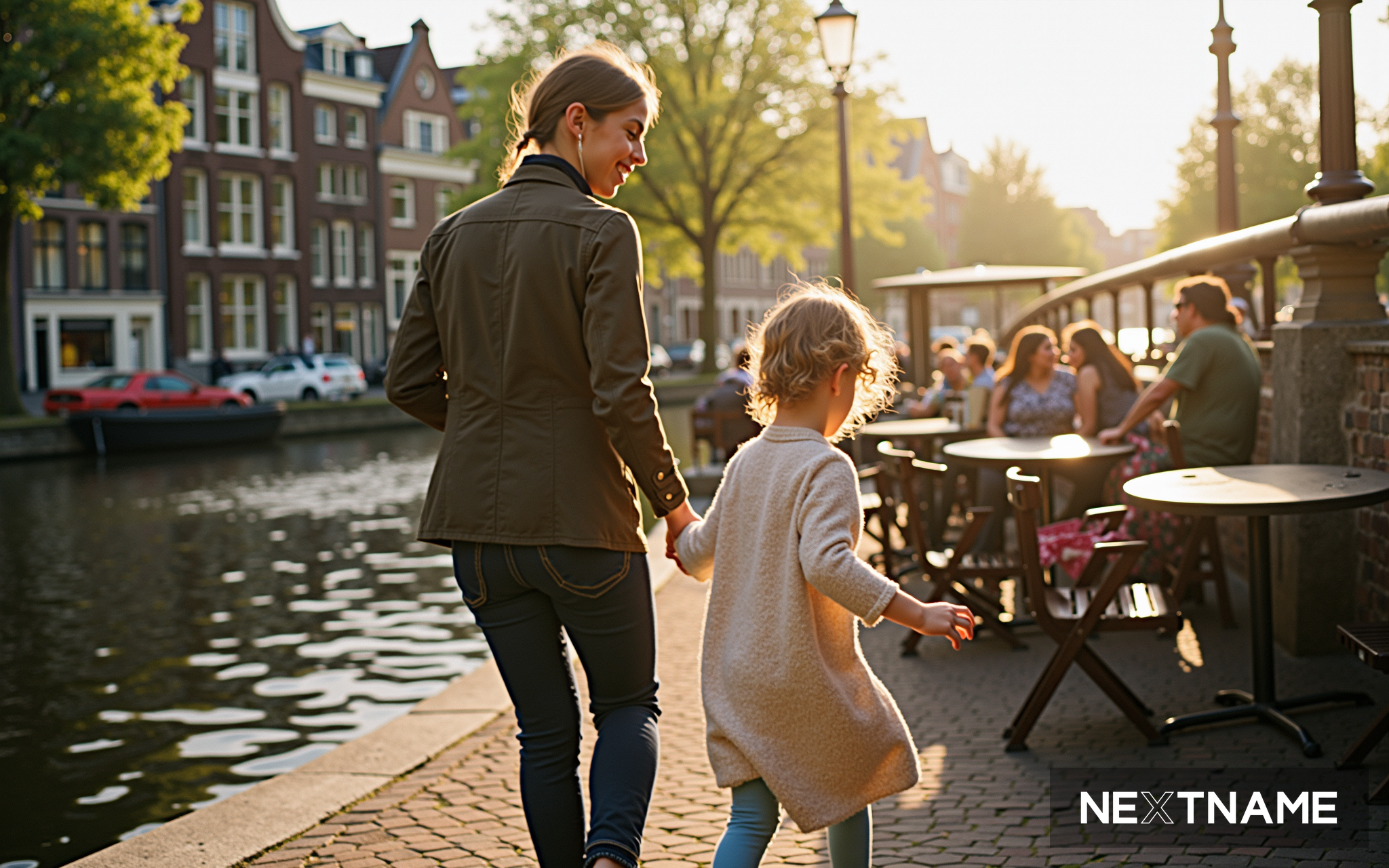
Family travel with kids under ten can feel like a logistics puzzle, but a handful of European cities make the pieces click. You’ll find concrete numbers, real street names, and a few hard‑won shortcuts that keep tantrums at bay.
Choosing the Right Cities
You don’t need to chase every capital. The sweet spot lies in places where walkable centers, English‑friendly staff, and short museum queues converge.
| City | Stroller Rating (1‑5) | Avg. Cobblestone Block Length (m) | Kid‑Friendly Museum (€) | Typical Meal Cost (€/person) |
|---|---|---|---|---|
| Amsterdam | 4 | 0.8 | NEMO Science Centre (15) | 12 (pizza slice) |
| Copenhagen | 5 | 0.5 | Experimentarium (18) | 14 (hot dog + fries) |
| Barcelona | 3 | 1.2 | CosmoCaixa (13) | 11 (tapas plate) |
| Vienna | 4 | 0.6 | Zoom Children’s Museum (12) | 10 (schnitzel + potatoes) |
| Rome | 2 | 1.5 | Explora (10) | 13 (gelato + panini) |
You’ll notice Amsterdam and Copenhagen top the stroller rating because their historic centers are mostly flat and paved with smooth brick. Barcelona’s older quarters still have uneven stones, so you’ll spend extra time lifting the stroller. Vienna and Rome sit in the middle, manageable if you stick to the main boulevards.
Stroller Logistics on Cobblestones
Cobblestones are the biggest variable. You’ll want a stroller with large, air‑filled tires and a suspension system; a lightweight umbrella stroller will get stuck on the uneven patches.
- Amsterdam: Most canalside paths are brick, but the narrow alleys around the Nine Streets can be tight. Use the “wide‑wheel” mode if your model has it.
- Copenhagen: The city’s “Copenhagen Street” program replaced many cobblestones with asphalt in tourist zones. Expect smooth rides from Nyhavn to Tivoli.
- Barcelona: The Gothic Quarter’s medieval stones are notorious. Stick to La Rambla and the waterfront promenade where the surface is concrete.
- Vienna: The Ringstrasse offers wide, even sidewalks; the only hiccup is the occasional historic square with uneven paving.
- Rome: The ancient streets around the Pantheon are best navigated on a carrier or by folding the stroller and carrying it up the steps.
A quick rule: if the block is longer than 1 meter of uneven stone, consider swapping the stroller for a baby carrier. It saves you from constantly stopping to lift.
Eating Out With Kids
You’ll quickly learn that “kid‑friendly” in Europe often means a high chair, a kids’ menu, and a tolerant attitude toward noise.
- Amsterdam: Cafés like Café de Jaren have spacious outdoor terraces and free high chairs. A kids’ pancake costs about €6.
- Copenhagen: Street food markets such as Reffen feature fish‑and‑chips stalls that serve mini portions for €5. Most vendors provide high chairs on request.
- Barcelona: Tapas bars in El Born often have “menú del día” for children under 12 at €9, including a small portion of patatas bravas and a soft drink.
- Vienna: Traditional Viennese cafés like Café Central serve “Kinderportion” of schnitzel for €8 and always have a high chair.
- Rome: Pizzerias near Piazza Navona offer “pizza al taglio” slices for €2, 3, perfect for a quick bite without a sit‑down wait.
Bring a small packet of baby food or a familiar snack; even the most kid‑friendly spots can have limited puree options. A portable high chair that folds into a tote saves you from hunting for one on the fly.
Kid‑Friendly Attractions Worth the Line
Some museums and parks are worth the inevitable queue, especially when they offer interactive elements that keep little hands busy.
- NEMO Science Centre (Amsterdam), Hands‑on experiments, 30‑minute “water play” zone, entry €15 for adults, €12 for kids.
- Experimentarium (Copenhagen), Outdoor science park, free for children under 3, €18 for older kids.
- CosmoCaixa (Barcelona), Natural history museum with a flooded forest exhibit; tickets €13 adult, €10 child.
- Zoom Children’s Museum (Vienna), Entirely hands‑on, 2‑hour play sessions, €12 per person.
- Explora (Rome), Children’s museum with a “mini‑city” replica; entry €10, free for kids under 4.
If you’re willing to pay a little extra for a ticket that guarantees a short wait, you’ll avoid the dreaded “are we there yet?” chorus. Booking online in advance often shaves 10, 15 minutes off the line.
When NOT to Do This
You might be tempted to squeeze five capitals into a ten‑day itinerary, but that’s a recipe for burnout. Trying to hop from Paris to Prague with a stroller in a single week forces you into cramped train compartments, long security lines, and rushed museum visits. The kids will notice the fatigue, and the stroller will become a liability on tight tram platforms. Stick to a maximum of two major cities per trip, and give each at least three full days to breathe.
The One Rule That Saves Your Sanity
Always schedule a “stroller‑free” half‑day. Pick a park, a café terrace, or a quiet museum wing where you can let the stroller sit while the kids run. That single buffer prevents the day from turning into a constant lift‑and‑carry marathon, and it gives you a chance to regroup before the next adventure.
Family‑travel in Europe with young kids is totally doable when you pick the right cities, respect the cobblestones, and plan meals around kid‑friendly logistics. You’ll leave with photos, not panic, and a stash of stories that actually make sense when you tell them back home.