
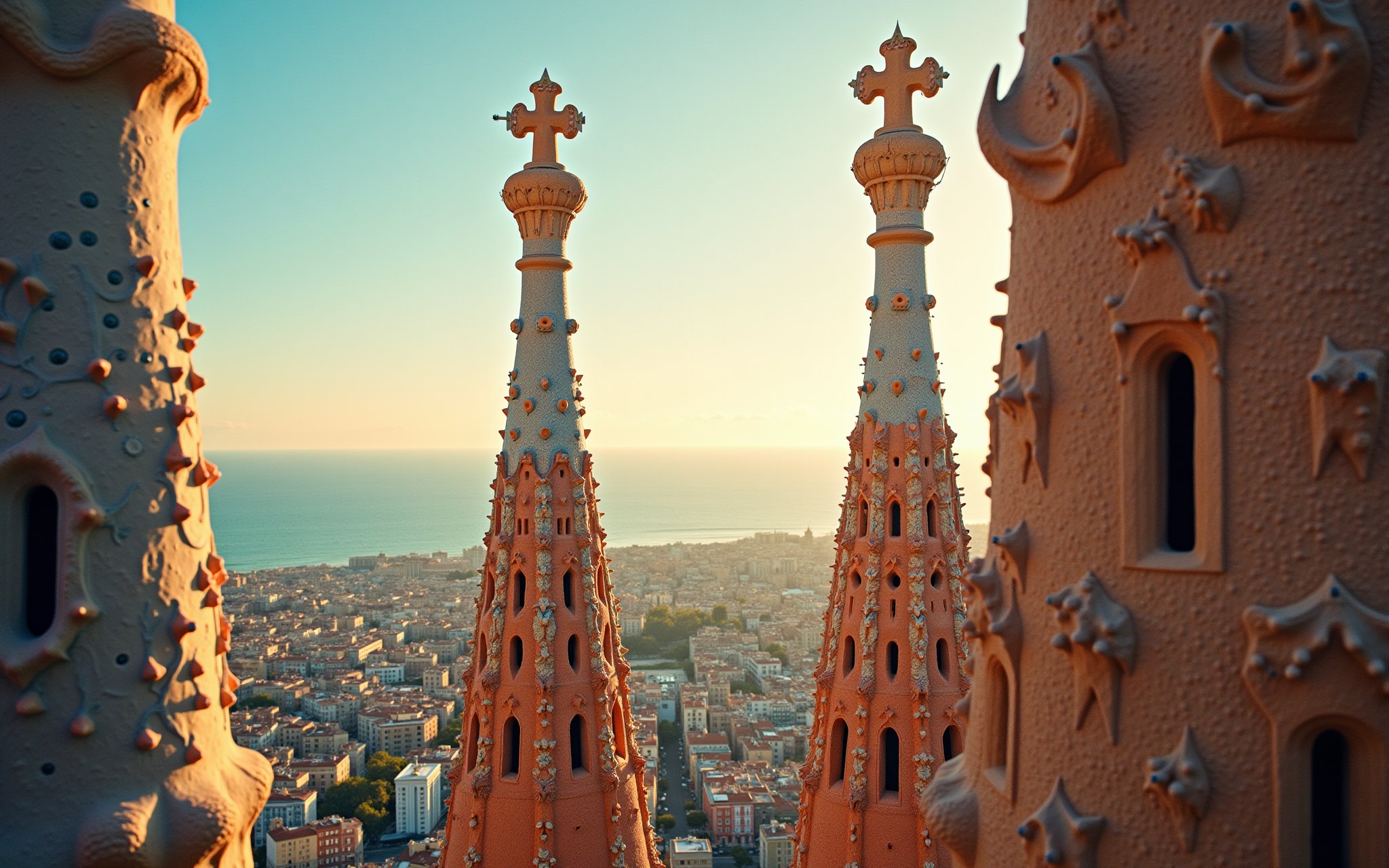
Barcelona feels like a city that never stops mixing sea, art, and market life. You can wander the narrow lanes of El Born, where medieval walls meet modern boutiques, then step onto Barceloneta’s sandy stretch for a quick dip before sunset. The food scene is grounded in simple, honest dishes — try a plate of bombas in Poble Sec, or a glass of vermut at a tiny bar in Gràcia for under €5. A coffee at a sidewalk café in the Gothic Quarter costs about €2, and a full dinner of grilled sardines and patatas bravas at a local tavern usually lands around €25 per person.
This mix of beach, hilltop views, and street art attracts a wide range of travelers. If you love architecture, the undulating façades of Casa Batlló and the mosaic splendor of Park Güell will keep you busy for a day; if you’re after nightlife, the bars in El Raval stay lively until the early hours. Families find the zoo and the Magic Fountain easy to reach, while solo explorers often get lost in the maze of Montjuïc’s gardens. In short, Barcelona rewards those who want both cultural depth and a relaxed pace — just bring comfy shoes and an appetite.
Sightseeing
- Sagrada Família – Gaudí’s unfinished basilica; book a morning slot to avoid crowds. ≈ $35 | 2 hrs
- Park Güell (Monumental Zone) – Mosaic‑covered terraces with city views; reserve tickets online. ≈ $15 | 1.5 hrs
- Bunkers del Carmel – 360° panorama of the city; easy hike up a quiet hill. ≈ $0 | 1 hr
Food & Drink
4. Boqueria Market – Pincho Bar – Grab a jamón ibérico sandwich and a glass of vermut at the market’s tiny bar. ≈ $12 | 45 min
5. El Xampanyet (El Born) – Rustic cava bar; order the anchovy‑topped toast and a glass of house sparkling wine. ≈ $18 | 1 hr
6. Tapeo (Poble Sec) – Known for its “pintxos de tortilla” and vermouth on tap; lively but not touristy. ≈ $20 | 1.5 hrs
Outdoor Nature
7. Barceloneta Boardwalk to Port Vell – Walk the palm‑lined promenade, stop for a sea‑salt ice cream at a local kiosk. ≈ $5 | 1 hr
8. Montjuïc Hill – Jardins de Mossèn Costa i Llobera – Cactus garden with views of the harbor; take the cable car up and walk down. ≈ $13 | 2 hrs
Nightlife
9. Bar Marsella (Raval) – Historic absinthe bar; sip the green spirit in a dimly lit, 19th‑century setting. ≈ $10 | 1 hr
10. Razzmatazz (El Poblenou) – Multi‑room club; catch a DJ set in the “Rave” room for a late‑night dance. ≈ $25 | 3 hrs
Cultural
11. Palau de la Música Catalana – Modernist concert hall; take the guided tour to see the stained‑glass ceiling. ≈ $18 | 1 hr
Day Trip
12. Montserrat Monastery – Take the R5 train from Plaça Espanya; hike to the “Cavall Bernat” viewpoint for dramatic rock formations. ≈ $30 | 6 hrs (including travel)
Tip: If you’re short on time, hit the Sagrada Família early, then head straight to Boqueria for lunch; you’ll finish the day with a sunset walk along Barceloneta before the nightlife kicks in.
Budget
- Hotel Curious – Gràcia – $115‑150 – Quiet, design‑forward spot with easy metro access and a rooftop terrace.
- Hostal Grau – Eixample – $110‑130 – Simple, clean rooms in a residential corner, perfect for walking to Passeig de Gràcia.
Mid‑range
- Hotel Jazz – Eixample – $190‑260 – Stylish boutique vibe, rooftop bar with city views, and a short walk to the Sagrada Família.
- Casa Camper Hotel – Eixample – $210‑280 – Art‑laden lobby, complimentary bike rentals, and a central location for tapas hopping.
Luxury
- Mandarin Oriental, Barcelona – Eixample – $540‑680 – Award‑winning spa, Michelin‑starred dining, and a quiet courtyard garden above Passeig de Gràcia.
- The Ritz Barcelona – Eixample – $580‑720 – Classic elegance, spacious marble bathrooms, and a prime spot opposite Gran Via for nightlife.
How to get to Barcelona – the nitty‑gritty you actually need
If you’re reading this, you probably have a flight, a train, or a cheap‑ticket bus in your future and you want to know exactly what to expect when you land in the Catalan capital. Forget vague “air travel tips” – here’s the straight‑up rundown, peppered with the kind of details that keep a seasoned traveler from getting stuck at the airport.
The airport you’ll most likely use
Barcelona’s main gateway is Barcelona‑El Prat Airport (BCN), about 12 km southwest of the city centre. It handles the lion’s share of international traffic and is served by every major carrier.
If you’re looking for a cheaper landing spot, Girona‑Costa Brava (GRO) and Reus (REU) are also options. Both sit roughly an hour’s drive away and are popular with low‑cost airlines, but you’ll spend extra time on ground transport and a little extra on a shuttle ticket.
Flight times from the big hubs
- New York (JFK/EWR) → BCN: Expect a 7‑ to 9‑hour nonstop when you pick a direct flight with carriers like Vueling, Norwegian, or a legacy airline. If you’re chasing the cheapest fare, you’ll likely have a stop in a European hub, stretching the journey to 12‑14 hours total.
- London (LHR/LGW) → BCN: A quick 2‑hour hop across the Channel. British Airways, easyJet, and Iberia all run several daily flights, so you can snag a morning departure and be sipping a cortado in the Gothic Quarter by lunch.
- Dubai (DXB) → BCN: Roughly 6½ hours nonstop on Emirates or a short‑stop route via Madrid. The price can swing dramatically; a round‑trip economy ticket often lands between $800 and $1,300 in high season.
- Hong Kong (HKG) → BCN: About 12 hours with a single stop (usually in a European hub). Expect to shell out $900‑$1,500 for a round‑trip economy seat, especially if you travel during the summer festival rush.
Alternative ground transport (just in case)
If you’re already in Europe and the idea of a long‑haul flight feels overkill, consider the rail network. The high‑speed AVE from Madrid reaches Barcelona in 2 hours 30 minutes, and the service is comfortable enough to make you forget you’re on a train. From Paris, the Night Train (or the newer TGV connection via Lyon) takes around 7‑8 hours, while a bus from Milan can get you there in roughly 10 hours for a fraction of the plane price. These options are especially handy if you’re already backpacking across the continent and want to keep the budget lean.
Visa requirements for U.S. citizens
Good news: U.S. passport holders can stroll into Spain (and the rest of the Schengen Area) visa‑free for up to 90 days for tourism, business, or short‑term study. Your passport just needs to be valid for at least six months beyond your planned departure date. Starting in 2025, an ETIAS (European Travel Information and Authorization System) travel authorization will be required, but it’s a quick online form costing about €7 and takes only minutes to get approved. No paperwork, no embassy visits.
Approximate airfare range
- Off‑peak (late autumn, early spring): $450‑$750 round‑trip economy from the U.S. East Coast.
- Peak summer (June‑August): $800‑$1,200, with prices spiking the closer you get to the July festivals.
- Last‑minute deals: Occasionally you’ll spot sub‑$400 fares on low‑cost carriers if you’re flexible on dates and willing to endure a layover in a secondary hub.
What it actually feels like on the ground
Picture stepping out of the arrivals hall, the Mediterranean breeze already whispering through the terminal’s large windows. A quick 20‑minute Aerobus ride drops you near Plaça de Catalunya, and you’re already strolling down La Rambla with a bocadillo de jamón ibérico in hand—about $6 for a decent sandwich at a nearby kiosk. If you’re craving something heartier, head to El Born and order a plate of paella de marisc at a local tavern; a full dinner with wine will set you back roughly $30‑$45 per person.
Quick checklist before you book
- Pick your entry point – BCN is the most convenient; GRO or REU only if you’re hunting a bargain and don’t mind a bus or train ride.
- Check flight durations from your home hub; nonstop is gold when you’re juggling jet lag.
- Confirm visa‑free status – just your passport and a six‑month validity window.
- Budget for airfare – plan on $500‑$1,200 depending on season.
- Map out ground transport – Aerobus, train, or taxi based on where your accommodation sits (El Born, Gothic Quarter, or Barceloneta are the most walkable).
Final thought
Getting to Barcelona isn’t rocket science, but the devil is in the details. Whether you’re chasing a cheap flight from New York, a swift hop from London, or a scenic train ride across Spain, the steps above will keep you from stumbling at the last minute. Pack your passport, a reusable water bottle (the city’s tap water is safe), and a hunger for patatas bravas—you’re about to land in one of Europe’s most vibrant, food‑filled, beach‑lined cities. Safe travels!
Barcelona by the month – a practical rundown
January – Cool and quiet. Daytime highs hover around 13 °C, nights dip to 5 °C. Tourist numbers are at their lowest, so you’ll find empty plazas in the Gothic Quarter and cheap hostels in El Born. Hotel rooms in the Eixample district can drop to €80 a night, but many restaurants close early and some beach bars shut for the season. If you don’t mind a jacket, it’s a good time to wander the markets without queues.
February – Still chilly, but the city starts to stir. Temperatures rise to 14 °C on sunny days. Carnaval brings a splash of colour to the streets of Gràcia; the parade is free and the vibe is lively without the crowds of summer. Flight prices are still in the low‑season range, around €150 from most European hubs, but some museums run reduced hours.
March – Spring is on the horizon. Average highs climb to 16 °C, rain drops to about 40 mm for the month. Crowds are modest, especially early in the month before the Easter rush. Hotel rates in the Gothic Quarter hover near €100, and a good plate of patatas bravas in a local bar costs about €6. If you time it right, the Festa de Sant Josephat in the Raval neighbourhood offers a low‑key street market worth a quick stop.
April – This is the first true shoulder season. Daytime temps sit around 18 °C, rainfall light. The city’s streets fill with locals enjoying outdoor cafés; you’ll hear the clink of glasses in El Born as people sip vermut. Hotel prices start to rise but stay under €130 in most areas. The big draw is Sant Jordi on April 23 – bookstalls line La Rambla, and you can grab a cheap paperback for €2 while people‑watching. Flight deals are still decent, often under €200 round‑trip from the UK.
May – Warm and lively. Highs hit 22 °C, humidity low. Tourist flow picks up, especially around the beachfront of Barceloneta, but the crowds are still manageable. A night in a boutique hotel in the Poble Sec area averages €150, while a dinner of paella de marisco in a seaside chiringuito runs about €25. The Primavera Sound festival (late May/early June) brings music lovers downtown; tickets start at €80, but the surrounding streets stay affordable.
June – Summer kicks in. Temperatures push to 26 °C, sunshine dominates. Crowds swell, especially on weekends at Park Güell, where you’ll need to book tickets weeks ahead. Hotel rates in Eixample climb to €180 for a double room, and a coffee in a terrace café can set you back €3.5. If you can handle the buzz, the early June Festa Major de la Mare de Déu de la Barceloneta offers fireworks over the port – a spectacular sight that’s free to watch.
July – Hot and packed. Daytime highs average 28 °C, humidity climbs. The city feels crowded, especially around La Sagrada Família and the Gothic Quarter’s narrow lanes. Hotel prices in the Port Vell area often exceed €200 per night. Meals at tourist‑heavy spots can reach €30 for a simple seafood paella. If you’re set on sunshine, this is the time, but expect higher prices and longer waits.
August – Peak heat and peak crowds. Temperatures hover around 30 °C, occasional thunderstorms in the late afternoon. The Festa Major de Gràcia transforms the neighbourhood into a decorated wonderland; the streets are closed to traffic, and the parties go late. Hotel rates in Gràcia spike to €220 for a double, and a plate of crema catalana in a local café costs about €5. Flight prices are at their highest, often over €300 from the US.
September – The sweet‑spot begins. Early September still feels summer‑like, but by mid‑month the heat eases to 24 °C and the rain returns modestly. Crowds thin out after the August exodus, and hotel rooms in the Eixample drop back to €130‑€150. The La Mercè festival (late September) fills the city with fireworks, light shows, and free concerts; the best view is from the Montjuïc cable car, a 15‑minute ride from the city centre. Flight deals reappear, often under €250 round‑trip.
October – Pleasant and affordable. Daytime temps settle around 20 °C, rainfall moderate. The city’s cultural calendar is full – the Jazz Festival runs through the month, and the streets of El Born host open‑air art markets. Hotel prices stay around €120 in the Gothic Quarter, and a dinner of jamón ibérico with local wine can be enjoyed for €18. This is a great month for strolling the waterfront without the summer throngs.
November – Cool and calm. Temperatures dip to 15 °C, rain becomes more frequent. Tourist numbers are at their lowest since winter, and hotel deals in the Eixample can drop to €90. Many restaurants close for a few days around All Saints’ Day, but the ones that stay open serve hearty stews for under €12. Flights are cheap, often under €180 from most European cities.
December – Festive but chilly. Daytime highs around 13 °C, evenings near 5 °C. The Christmas market in Plaza Catalunya draws locals and tourists alike; a mulled wine costs about €4. Hotel rates in the Eixample rise modestly to €110, but you’ll find many boutique places offering “early‑bird” discounts. The city’s lights are magical, and the crowds are manageable if you avoid the weekend of New Year’s Eve.
Sweet‑spot shoulder seasons
Late April to early June and mid‑September to early October hit the sweet spot. You’ll enjoy mild weather, lower accommodation costs, and fewer lines at the major sights. In those windows, a night in a well‑located Airbnb in Gràcia averages €110, and a dinner of grilled sardines on the beach in Barceloneta stays under €20. If you can be flexible with dates, aim for the first two weeks of May or the last week of September – that’s when the city feels most relaxed without sacrificing the vibrant atmosphere you’re after.
July, August, and June are the strongest windows for beach days.
Scores blend climate, rainfall, and activity fit — beach. Temperatures and rainfall are historical monthly averages; actual conditions vary year-to-year.
Forecast data from Open-Meteo · refreshed hourly
What travelers say.
Loading reviews…
Sign in to leave a review.
Sign in →If Barcelona is your speed, try these.
Sydney
🇦🇺 AU90%Sydney feels like a city that’s always half‑sun, half‑sea. You can start a morning in Surry Hills, tucking into a buttery meat‑pie from a tiny bakery on Oxford Street, then hop on a tram and be sippin…
Paris
🇫🇷 FR90%Paris feels like a city you can actually walk through and still find something new around every corner. The streets of Saint‑Germain‑des‑Prés hum with cafés where you can sip a café au lait while watc…
Reykjavik
🇮🇸 IS90%Reykjavik feels more like a compact European capital you can explore on foot than a remote island outpost. The city’s heart is the Old Harbour, where fishing boats still bob beside sleek modern yachts…
