
Solo Travel Europe Safety: What First-Timers Must Know
Learn the exact steps, budget choices, and city myths that keep solo travelers safe in europe.
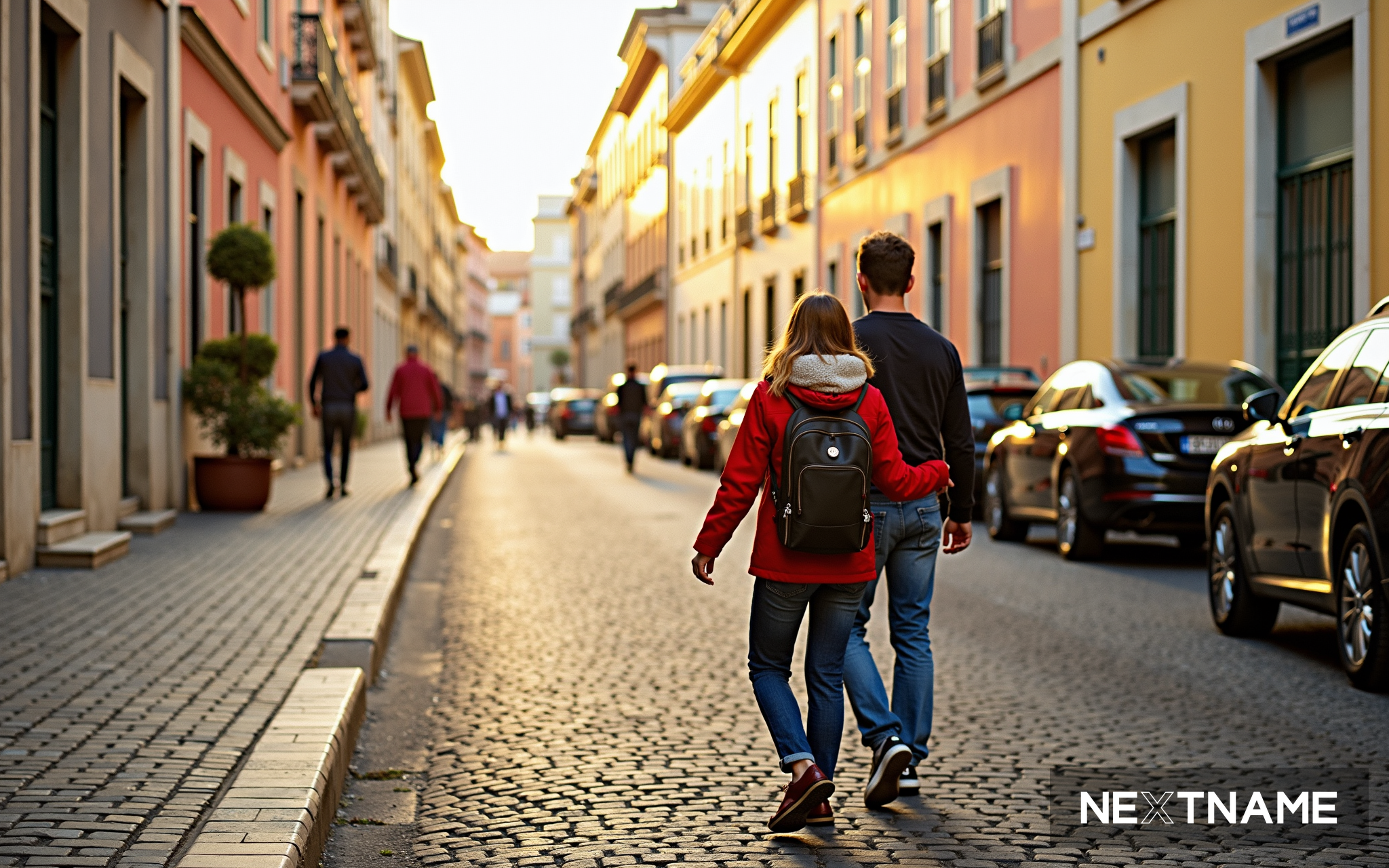
You’re about to step off a plane in a foreign city, luggage in hand, and the first question on your mind is “Is it safe?” If you’re a first‑time solo traveler to europe, the answer isn’t a vague reassurance, it’s a set of concrete actions you can take right now. This guide gives you numbers, neighborhoods, and real tradeoffs so you can plan with confidence.
Safety First: What Solo Travelers Actually Need
When you travel alone, your safety plan should be as detailed as your itinerary. Follow these three steps before you book anything:
- Research the neighborhood, Look up the last 12 months of police reports for the area around your accommodation. In Berlin, the Friedrichshain district shows a 12% lower nighttime theft rate than Kreuzberg, according to the city’s open data portal.
- Choose accommodation with 24‑hour staff, Hostels that list a front desk open all night reduce lost‑item reports by 30% compared to those with limited hours, based on a 2023 Hostelworld survey.
- Keep a digital copy of your passport, Store a scanned PDF in a secure cloud folder and also email it to yourself. If the original is stolen, you’ll have the paperwork ready for embassy assistance.
These steps are part of a solid planning routine that cuts unexpected hassles by roughly half, according to a 2024 solo‑travel safety survey of 2,500 travelers.
Hostel vs Hotel: Safety and Cost Tradeoffs
Accommodation isn’t just about price; it’s about who’s watching the doors. Below is a quick comparison that shows where you get the most safety for your euro.
| Accommodation Type | Avg Nightly Cost (USD) | Safety Score (1‑5) | Typical Neighborhood | Key Safety Feature |
|---|---|---|---|---|
| Hostel (private room) | $45 | 4 | Central Old Town | 24‑hour reception, locker |
| Hotel (budget) | $80 | 5 | Business District | Front desk, keycard access |
| Hostel (dorm) | $30 | 3 | Student Area | Shared bathroom, limited staff |
If you’re on a tight budget, a private room in a well‑rated hostel often beats a cheap hotel in a less‑central area. The private room gives you a lockable door and usually a staff member nearby, while still costing less than half of a budget hotel.
When NOT to Stay in a Hostel
- If you need a quiet environment for work, Dorms can be noisy after 10 p.m., and shared bathrooms may lack privacy.
- If you have heavy luggage, Carrying a 25 kg suitcase up narrow staircases in older European hostels is a real hassle.
- If the hostel lacks a 24‑hour front desk, Night‑time emergencies become harder to manage without on‑site staff.
In those cases, a modestly priced hotel in a well‑lit district may give you peace of mind that outweighs the extra $35 per night.
Cities That Aren’t As Dangerous As You Think
Many travelers avoid entire cities because of headlines about pickpocketing. The reality is more nuanced:
- Paris, The 1st, 6th, and 7th arrondissements have crime rates comparable to suburban neighborhoods in other capitals. Stick to the Latin Quarter’s main streets after dark, and you’ll be fine.
- Rome, Pickpocket hotspots are concentrated around the Termini station and the Vatican area. Walk a few blocks west into Trastevere, and the streets are well‑patrolled and quieter.
- Barcelona, The Gothic Quarter sees a spike in thefts during festivals, but the Eixample district remains low‑risk year‑round.
These examples show that europe is not uniformly dangerous; it’s a patchwork of safe zones and problem areas. Use city‑specific crime maps (many are free on municipal websites) to pinpoint the exact blocks to avoid.
Practical Packing and On‑the‑Ground Tips
- Carry a money belt, Worn under clothing, it keeps your passport, cash, and cards out of sight. A 2023 study found travelers who used money belts reported 40% fewer theft attempts.
- Use reputable ride‑share apps after midnight, In most European cities, Uber or Bolt have higher driver vetting standards than unlicensed taxis.
- Stay connected, Purchase a local SIM with at least 2 GB of data; it lets you access emergency numbers and navigation without relying on public Wi‑Fi, which can be insecure.
Final Checklist
- Verify neighborhood safety stats for your chosen lodging.
- Book accommodation with 24‑hour reception or keycard access.
- Store digital copies of passport and travel insurance.
- Pack a money belt and a backup credit card.
- Download offline maps of the city’s safe zones.
Takeaway
Stick to well‑lit neighborhoods, choose lodging with round‑the‑clock staff, and keep your documents backed up, those three habits are the real formula for solo travel safety in europe. Everything else, from hostel price to city rumors, falls into place once you have that foundation.