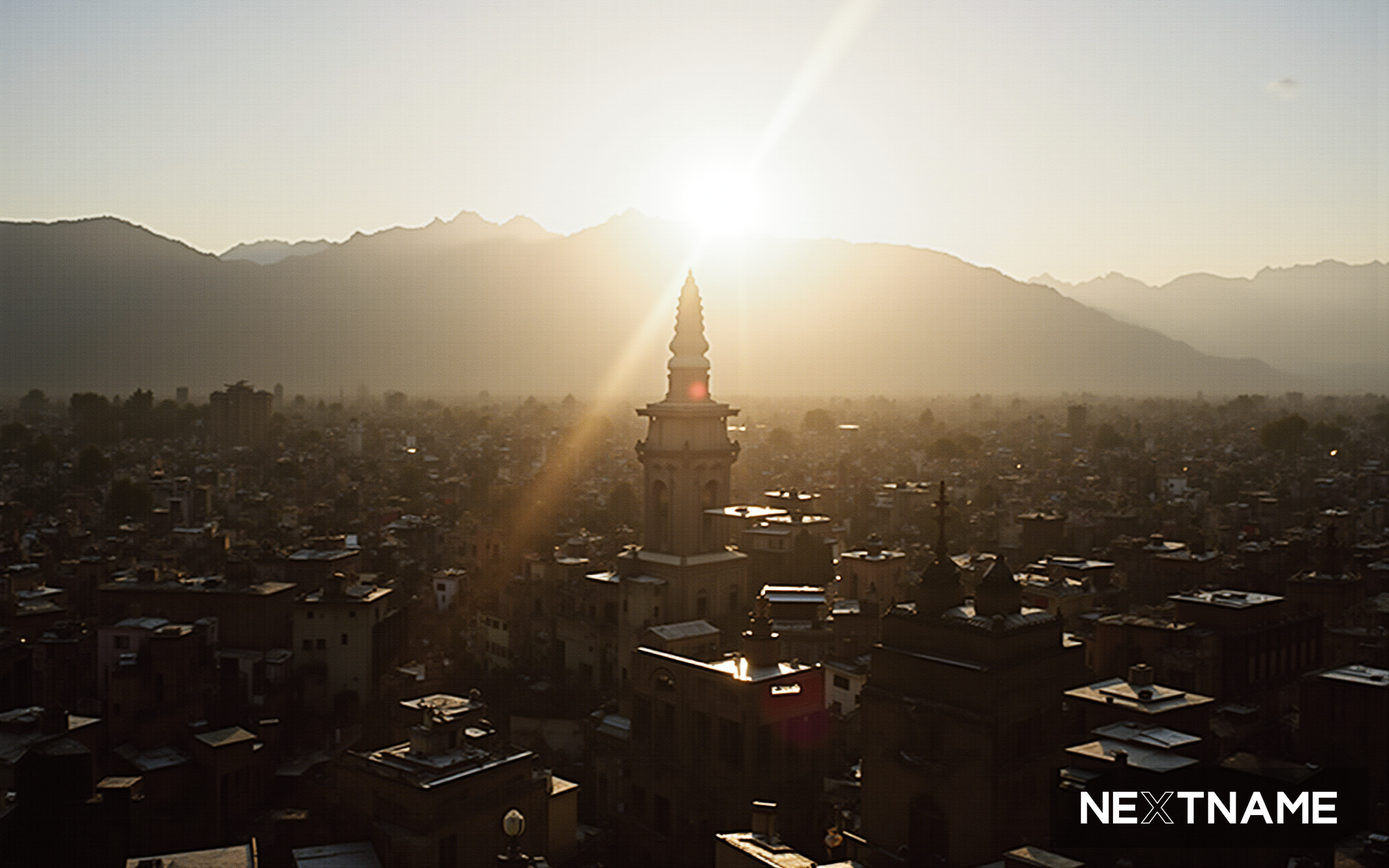
Kathmandu feels like a living museum where ancient shrines sit beside chaotic streets. You’ll wander through Asan’s narrow lanes, hear the call to prayer from Swayambhunath’s stupa, and stare at the golden spire of Pashupatinath as the sun sets. The city’s energy is raw, a mix of incense smoke and motorbike exhaust, and it never pretends to be polished.
If you love food that hits you hard, head to Thamel for a plate of steaming momo dipped in tomato sauce, or sit at a Newari restaurant in Boudhanath for a thali of lentils, spinach, and fermented greens. The vibe is laid‑back but gritty; you’ll find backpackers swapping stories over chhaang, while locals haggle over spices in the market. It’s not a resort town, so you’ll need to embrace the noise and the occasional power cut.
This place clicks for travelers who crave culture with a side of chaos, not for those who want a predictable itinerary. You’ll leave with dusty shoes, a full stomach, and a camera roll full of prayer flags flapping against snow‑capped peaks. If you’re okay with a little mess, Kathmandu rewards the curious.
Sightseeing
- Swayambhunath (Monkey Temple) – A hilltop stupa where you can watch the city unfold and watch monkeys scamper – $3 entry – ≈2 hrs.
- Patan Durbar Square – The former royal plaza, packed with exquisitely carved Newari windows and courtyards – $5 entry – ≈3 hrs.
Cultural
- Boudhanath Stupa – One of the world’s biggest Buddhist domes; early morning brings a calm, meditative vibe – donation‑only (≈$1 suggested) – ≈1.5 hrs.
Food_Drink
- Newari thali at Bhotechaap – Beaten rice, spiced lentils, and grilled buffalo served on a single plate – $12 – ≈1 hr (including eating).
- Asan Tole street‑food crawl – Sample sel roti, chatamari, and aloo tama from the market stalls – ≈$5 total – ≈2 hrs.
Outdoor_Nature
- Nagarkot sunrise trek – A short hike to a viewpoint that frames the Himalayas on clear mornings – $15 transport + $5 entry – ≈4 hrs round‑trip.
Day_Trip
- Dhulikhel – A historic hill town with traditional Newari houses and sweeping mountain views, reachable by bus in 1.5 hrs – $8 round‑trip bus fare – ≈half‑day.
Nightlife
- 360 Bar, Thamel – Rooftop spot with live music and a 360° city view; perfect for a nightcap – $10 for a cocktail – ≈3 hrs (drinks and chill).
These picks give you a concrete itinerary, real price tags, and realistic time blocks—no vague “explore the area” fluff. Enjoy Kathmandu!
Budget (≈ $30‑$60/night)
- Hotel Shambala – Asan – $35‑55/night – Choose it for a cozy vibe and easy walk to local stalls.
- Hotel Country Villa – Thamel – $40‑60/night – Pick it if you want clean rooms and a quiet street near cafés.
Mid‑range (≈ $80‑$130/night)
- Hotel Malla – Lazimpat – $90‑120/night – Stay here for modern rooms and a rooftop view of the city.
- The Dwaraka – Boudhanath – $85‑110/night – Choose it for spacious rooms and a short walk to the stupa.
Luxury (≈ $250‑$450/night)
- Hotel Shankara – Lazimpat – $260‑380/night – Book it for sleek design, top‑notch service, and a central spot.
- Dwarika's Hotel – Boudhanath – $300‑450/night – Stay here for historic charm and fine‑dining in a peaceful setting.
How to get to Kathmandu
The only real gateway to the city is Tribhuvan International Airport (KTM). It sits about 6 km southeast of downtown, and most travelers land here whether they’re coming from the U.S., Europe, the Gulf or East Asia.
Typical flight times
- New York (JFK or EWR) → KTM – 15–16 hours total, usually with one stop in Doha, Istanbul or Dubai.
- London (LHR) → KTM – 10–11 hours with a single layover in Doha, Istanbul, or Kuala Lumpur.
- Dubai (DXB) → KTM – 4–5 hours nonstop on Emirates or FlyDubai.
- Hong Kong (HKG) → KTM – 5 hours nonstop on Cathay Pacific or Nepal Airlines.
If you prefer to avoid the airport, you can crawl in by road. The most common overland route from India is a 12‑hour bus or shared‑taxi ride from Raxaul (Bihar) to Biratnagar, then a short drive to Kathmandu. It’s doable, but the ride is bumpy and the schedule is irregular, so most people just fly.
Visa for U.S. citizens
You get a visa on arrival at KTM. The fee is $30 for a 30‑day stay and $50 for a 90‑day stay. You’ll need a passport that’s valid at least six months beyond your intended departure date and a passport‑size photo. An e‑visa is also available online if you’d rather sort it before you board.
Airfare ballpark
- Economy – $700–$1,300 round‑trip in low season (April–June, September–November).
- Economy – $1,200–$1,800 in high season (December–February, March–May).
- Premium economy / business – $1,500–$2,500 if you want a bit more comfort on the long haul.
Prices swing with airline sales and how far in advance you book, so I keep an eye on Google Flights and Skyscanner for the occasional $500‑ish deal, but those are rare.
Bottom line
Fly into KTM from any of the hubs listed above, grab a visa on arrival, and you’ll be in the city’s bustling streets within half an hour of landing. If you love a good road adventure and have a flexible schedule, the Indian border crossing works, but for most travelers the plane is the simplest, safest bet.
When to Go to Kathmandu – Month by Month
January
Cold mornings, clear skies. Daytime highs hover around 15 °C, nights dip to 2 °C. Tourist numbers are tiny, so you’ll share the streets of Asan with only a handful of locals. Hotels in Thamel drop to $30‑$45 for a double room, and flights from Delhi stay at their lowest. No big festivals, just the quiet hum of daily life. If you don’t mind bundling up, this is the cheapest month to see the city without crowds.
February
Similar temps, a touch more sunshine. Crowds start to rise as Nepali families take their school holidays, but you’ll still find space in the narrow lanes of Patan. Mid‑range guesthouses average $55 per night. The weather stays dry, making it a good time for day trips to Nagarkot. I’d skip the first week if you hate the occasional dust storm that rolls in from the plains.
March
The first hint of spring. Temperatures climb to 20 °C, skies stay mostly clear. This is the start of the “shoulder season” that many travelers love because the air is crisp and the hills turn green. Crowds are moderate; you’ll see a mix of backpackers and solo travelers in Thamel’s cafés. Hotel prices sit around $70‑$90 for a decent room. The Holi celebrations begin toward the end of the month, with locals splashing color in the streets of Boudhanath – a lively but not overwhelming sight.
April
Warm days, occasional showers. Daytime reaches 25 °C, humidity spikes a little. The city gets busier as the trekking season opens, but it’s still far from the peak of October. Prices inch up to $90‑$120 for a mid‑range stay in Thamel. Bisket Jatra, a week‑long festival in the old Newar town of Bhaktapur, draws crowds, but the main city stays relatively calm. If you love festivals, this is the sweet‑spot month.
May
Hot and humid. Temperatures hit 30 °C, and the monsoon clouds start to gather over the horizon. Tourist numbers dip again because the heat can be uncomfortable for sightseeing. Budget hotels in Asan drop to $35‑$50, while luxury spots in Boudhanath climb to $150‑$180. No major festivals, just the everyday rhythm of street vendors selling sel roti and momo for $2‑$3 a plate. I’d avoid this month if you’re sensitive to heat.
June
Monsoon officially arrives. Rain falls in short, heavy bursts, turning the streets slick. Crowds are at their lowest; you’ll have the whole of Thamel to yourself most mornings. Hotel rates tumble to $40‑$60 for a clean double. The Rato Machhindranath procession in Patan is a colorful sight, but expect some street closures. If you don’t mind carrying an umbrella, June can feel surprisingly peaceful.
July
Rain continues, but the intensity eases a bit. Temperatures stay around 27 °C, humidity remains high. Tourist flow stays low, and you can snag a boutique guesthouse in Thamel for $45‑$70. The city’s cafés serve steaming chhaang (local millet beer) for $2, perfect after a rain‑soaked walk around Swayambhunath. The weather is moody, but the streets are quiet, and the price advantage is real.
August
Similar to July, with occasional heavy storms. The city’s rhythm slows; locals head to the hills for cooler air, so you’ll notice fewer motorbikes on the roads of Kavre. Prices stay in the $45‑$75 range for mid‑range stays. No big festivals, just the usual hustle of street food stalls. If you’re after a low‑cost, low‑crowd experience, August works, but be ready for slick sidewalks.
September
The monsoon recedes, leaving the air fresh and the skies clearing. Daytime temps settle around 22 °C, evenings cool to 12 °C. This is the other shoulder season that many swear by. Crowds start to rise as trekkers head back from the mountains, but they’re still manageable. Hotel rates hover at $70‑$100 in Thamel. The Indra Jatra festival fills the streets of Kathmandu with masked dancers, music, and street food stalls selling chatamari for $3‑$4. It’s lively, but the city’s size keeps it from feeling chaotic.
October
Peak tourist season begins. Clear skies, crisp air, daytime highs near 24 °C. The city buzzes with photographers, trekkers, and festival‑goers. Prices jump: mid‑range rooms in Thamel average $120‑$150, luxury spots in Boudhanath can hit $200‑$250. Dashain, the biggest Nepali holiday, fills the streets with families, kite‑flying, and feasts of dal bhat served at local eateries for $5‑$7. If you love festivals and don’t mind higher costs, October is unbeatable.
November
Post‑Dashain calm. Weather stays dry, temperatures dip to 18 °C during the day, 5 °C at night. Crowds thin out quickly after the first week, making it one of the best times to explore the city’s temples without jostling. Hotel rates settle back to $80‑$110 for a comfortable room. The Tihar festival lights up the city with oil lamps and flower decorations, especially around Pashupatinath. I’d call this the second sweet‑spot month – pleasant weather, manageable crowds, and prices that won’t break the bank.
December
Cool and dry. Daytime hovers around 15 °C, nights can drop to 0 °C, so bring a jacket. Tourist numbers are low, and you’ll find rooms in Thamel for $45‑$70. The city’s cafés serve hot gundruk soup for $2, perfect for chilly evenings. No major festivals, just the quiet charm of snow‑capped hills visible on clear days. If you love crisp mornings and empty streets, December feels like a secret you’ve kept to yourself.
Bottom line:
- Sweet‑spot shoulder seasons: late October to early November and mid‑March to early April.
- Cheapest months: January, June, July, August.
- Most crowded and pricey: October (especially during Dashain) and late September.
Pick the month that matches your weather tolerance, budget, and whether you want to dance at a festival or sip tea in a quiet courtyard. The city’s vibe shifts with each season, so choose the one that feels right for your travel style.
November, December, and February are the strongest windows for sightseeing.
Scores blend climate, rainfall, and activity fit — cultural. Temperatures and rainfall are historical monthly averages; actual conditions vary year-to-year.
Forecast data from Open-Meteo · refreshed hourly
What travelers say.
Loading reviews…
Sign in to leave a review.
Sign in →If Kathmandu is your speed, try these.
Cairo
🇪🇬 EG89%Cairo feels like a city that never stops moving, but it’s not the frantic traffic that defines it—it’s the layers of history you can actually walk through. In the mornings, I head to the Egyptian Muse…
Jerusalem
🇮🇱 IL88%Jerusalem feels like a city that never stops telling stories, and you’ll find yourself walking past layers of history without even trying. The Old City’s Armenian Quarter, with its narrow stone lanes …
Kyoto
🇯🇵 JP88%Kyoto feels like stepping into a different era, but not in a forced way. The streets of Gion still echo with the soft click of wooden geta, and you can wander past tea houses that have been serving ma…