
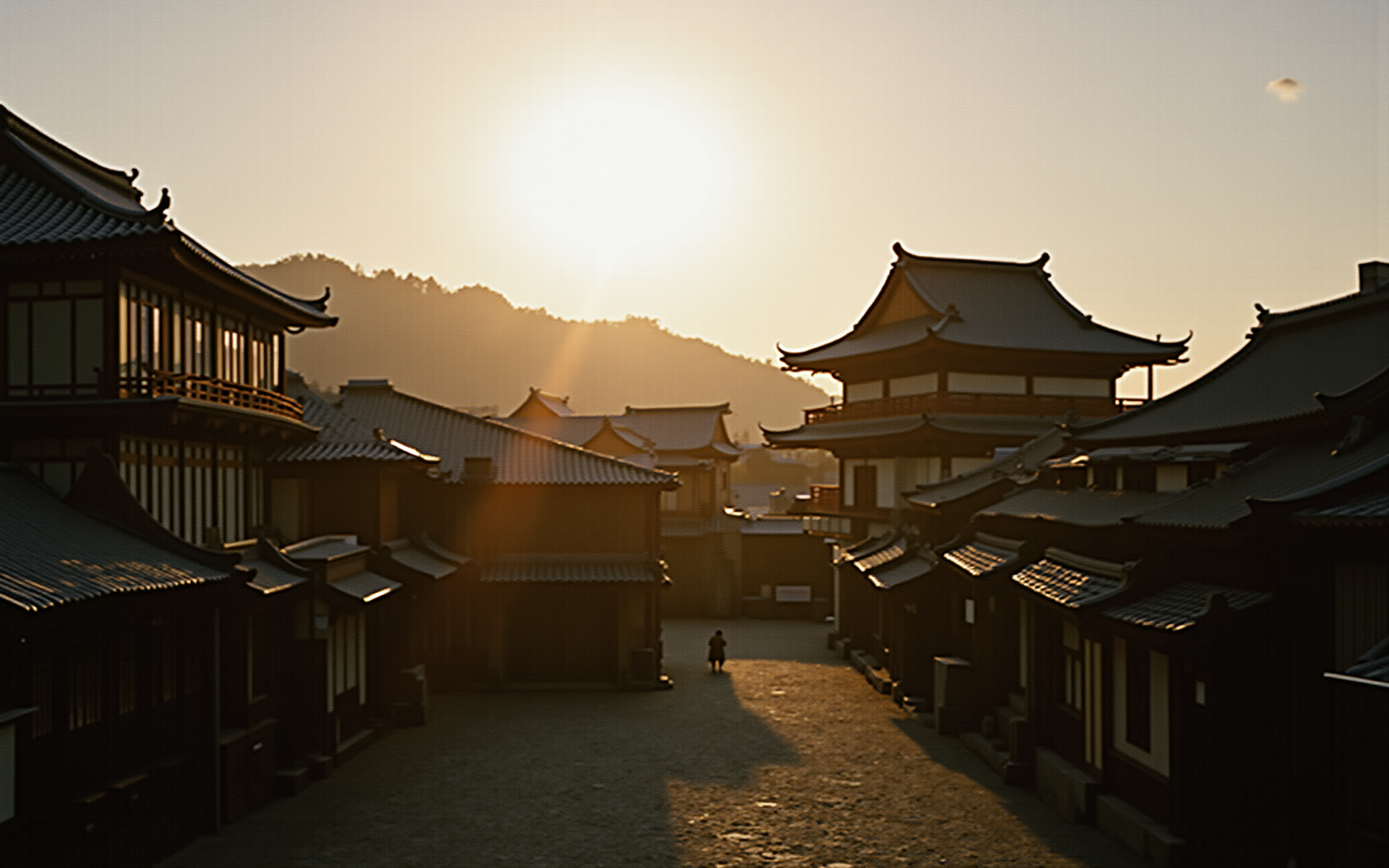
Kyoto
Destination · city · 🇯🇵 JP

Kyoto

35°00'42"N·135°46'05"E
cityhistoricalculturaltemples
← Explore more
01Overview

Kyoto feels like stepping into a different era, but not in a forced way. The streets of Gion still echo with the soft click of wooden geta, and you can wander past tea houses that have been serving matcha for centuries. Head to Higashiyama if you love narrow lanes lined with wooden machiya townhouses; the area around Kiyomizu‑dera offers spectacular views of the city’s rooftops and a chance to sample yudofu at a tiny shop tucked behind a shrine. In Arashiyama, the bamboo grove is a must‑see, but the real magic happens when you drift down the Ōi River on a small boat and watch the sunset paint the hills pink.

Food lovers will find Kyoto’s cuisine both refined and comforting. A bowl of kaiseki at a ryokan in the Fushimi district can cost a pretty penny, but the same ingredients show up in street‑side stalls selling hakozushi and grilled mackerel. Don’t miss the chance to try yuba—thin sheets of tofu skin—served cold with a drizzle of soy sauce in the quiet lanes of Pontocho. If you’re after something sweet, the matcha parfaits at a café near the Philosopher’s Path are surprisingly good and won’t break the bank.

Who will adore Kyoto? Anyone who enjoys a slower rhythm, who wants to see temples that have stood for 1,200 years without the crowds of a theme park. It’s perfect for photographers who like quiet gardens, for travelers who like to map out a day with a mix of culture and a good cup of coffee, and for people who appreciate a city that feels both ancient and oddly contemporary. You’ll leave feeling like you’ve been given a private tour of a living museum—just be ready to walk a lot, and maybe take a few extra photos of the moss‑covered stone lanterns.

02Things to Do

Sightseeing

  • Kinkaku‑ji (Golden Pavilion) – The top‑floor gold leaf temple reflected in its pond is a must‑see early morning before the crowds arrive. ≈ $4 entry, 1 hour.
  • Fushimi Inari Shrine – Thousand‑Torii Trail – Hike up through the iconic red torii gates; the first 200 meters feel like a tunnel of light, and you can turn back anytime. Free, 2 hours.

Food & Drink

  • Nishiki Market – Takoyaki at Torito – Bite‑size octopus balls are crisp outside, creamy inside, and cost just $3 for a handful. ≈ $3 snack, 30 min.
  • Pontocho Alley – Yakitori at Torito – Small chicken skewers grilled over binchōtan; a plate of three costs about $8 and pairs perfectly with a cold Asahi. ≈ $8, 45 min.

Outdoor Nature

  • Philosopher’s Path (Tetsugaku no Michi) – Walk the cherry‑lined canal in spring or the maple‑draped walk in autumn; the 2 km stretch takes about 45 minutes and feels like a quiet meditation. Free, 45 min.
  • Arashiyama Bamboo Grove – Stroll through towering bamboo stalks early to avoid tourists; the grove itself is free, but the nearby Tenryū‑ji garden entry is $5. ≈ $5, 1 hour.

Nightlife

  • Pontocho’s Bar K‑ya – A tucked‑away speakeasy with a skilled bartender who crafts a ginger‑lime highball for $12; the vibe is intimate and the service is spot‑on. ≈ $12, 1 hour.

Cultural

  • Gion Corner – Catch a short, free traditional performing‑arts showcase (tea ceremony, dance, music) that gives a quick taste of Kyoto’s heritage. Free, 30 min.
  • Tea Ceremony at Camellia Garden – Participate in a 90‑minute matcha session in a historic machiya; the experience costs $25 and includes a sweet wagashi. ≈ $25, 1.5 hours.

Day Trip

  • Nara – Todai‑ji Temple & Nara Park – Take the JR Nara Line (≈ $5 round‑trip) and spend the afternoon feeding friendly deer and exploring the massive bronze Buddha inside Todai‑ji. ≈ $5 transport + $6 entry, 5 hours total.

Tip: If you only have a day, combine the Arashiyama Bamboo Grove with the Tenryū‑ji garden and finish with a riverside dinner in the nearby Sagano area—easy to reach by local bus and worth every minute.

03Where to Stay

Budget – 2 picks

  • K’s House Kyoto – Downtown (Kawaramachi) – $55–$75 a night – cheap, clean, and just a short walk to Nishiki Market, perfect if you’re traveling solo or on a tight budget.
  • Guest House An – Gion – $60–$80 a night – a traditional machiya feel tucked into a quiet lane, easy to pop into tea houses and historic streets.

Mid‑range – 2 picks

  • Ryokan Yachiyo – Higashiyama – $160–$190 a night – tatami rooms and a private garden put you right near Kiyomizu‑dera, giving a real taste of old‑Kyoto charm.
  • Kyoto Granbell Hotel – Downtown (Kawaramachi) – $180–$250 a night – sleek design, a rooftop bar, and a subway stop a few minutes away; great for shoppers who still want a touch of luxury.

Luxury – 2 picks

  • The Ritz‑Carlton Kyoto – Arashiyama – $650–$800 a night – riverfront rooms, private onsen, and gourmet kaiseki make it ideal for a special occasion or a splurge‑worthy stay.
  • Four Seasons Hotel Kyoto – Near Kiyamachi (central) – $700–$900 a night – spacious suites overlooking a garden, top‑notch service, and a quiet spot right in the city’s heart; perfect for travelers who expect nothing but the best.
04Getting There

Getting to Kyoto starts with the airport you land in. Most travelers use Kansai International (KIX) – IATA code KIX – about 75 km from the city. Itami (ITM) handles domestic flights and a few low‑cost routes, but most international arrivals go through KIX.

Flight times from major hubs

  • New York (JFK) → KIX: roughly 14 hours nonstop on ANA or Japan Airlines.
  • London Heathrow (LHR) → KIX: about 12 hours.
  • Dubai (DXB) → KIX: close to 10 hours.
  • Hong Kong (HKG) → KIX: around 5½ hours.

Alternative ground transport
If you land at Itami, a JR train whisks you to Kyoto Station in 30 minutes for ¥1,200. From KIX, the Haruka Express gets you to Kyoto in 75 minutes (¥3,000) and a highway bus runs every 30 minutes for ¥2,000. Both options drop you near the city center, so you can start exploring right away.

Visa requirements for U.S. citizens
U.S. travelers can enter Japan visa‑free for up to 90 days. Your passport just needs to stay valid six months beyond your departure date, and you should have a confirmed return ticket. No extra paperwork or fees are required for tourism or short business trips.

Approximate airfare range

  • From the United States: round‑trip economy fares sit between $900 and $1,500 in low season; they climb to $1,800 during cherry‑blossom weeks.
  • From Europe: tickets usually run $800 to $1,300.
  • From the Gulf region: expect $1,000 to $1,600.
  • From other Asian hubs: low‑cost carriers sometimes drop the price to $600 if you book early and travel mid‑week.

A quick tip once you’re in town
After you settle in, wander to Pontocho Alley and try a bowl of yudofu at a tiny shop near Nanzen‑ji. It costs about ¥1,200 and gives you a taste of Kyoto’s quiet, traditional side.

All of this should get you from the runway to the streets of Kyoto with minimal hassle. Safe travels.

05Best Time to Visit

January – Cold and Quiet
The temperature hovers around 3‑7 °C, and the city feels almost empty. Most hotels drop their rates by 20‑30 % compared to the summer rush, and you can snag a room in the historic Gion district for under ¥12,000 a night. The downside? Some temples close early, and the occasional snow makes walking the Philosopher’s Path a slippery affair. No big festivals, so you’ll mostly be battling the chill rather than crowds.

February – Still Chilly, but a Little More Life
Average highs climb to about 9 °C. The Sapporo Snow Festival isn’t in Kyoto, but the city’s own “Kiyomizu-dera Night Illumination” adds a soft glow to the streets. Crowds are still thin, and you can find budget ryokan rooms for roughly ¥14,000. If you don’t mind bundling up, it’s a good time to explore the lesser‑visited northern hills without fighting tour groups.

March – The First Hint of Spring
Temperatures swing between 10‑15 °C. Early cherry buds start to show, especially around the Maruyama Park area. Hotel prices begin to creep up—expect a 10‑15 % bump over January—but still cheaper than the peak bloom period. The “Kyoto Marathon” draws locals and a few international runners, so you’ll see a modest increase in foot traffic on the main arteries.

April – Cherry‑Blossom Madness
Peak bloom usually lands around the first week of April. Daytime highs sit near 20 °C, and the city erupts in pink. Crowds swell dramatically; hotel rooms in central Kyoto can jump to ¥25,000‑¥30,000 per night. If you’re flexible, aim for the second or third week of the month—after the initial rush but before the late‑April “hanami” crowds thin out. The “Aoi Matsuri” festival kicks off on April 15, a beautiful court‑dressed procession that’s worth timing your visit for.

May – Warm and Lush
Temperatures climb to 23‑26 °C. The city’s gardens are at their greenest, and the “Ryōan‑ji Tea Ceremony” events start up. Tourist numbers start to dip after Golden Week (late April–early May), so you can snag mid‑range hotels for around ¥18,000‑¥20,000. It’s a solid choice if you want pleasant weather without the peak‑season price tag.

June – Early Rainy Season
Highs hover around 27 °C, and the first heavy showers arrive. Humidity spikes, but the crowds have thinned enough that you can wander the Philosopher’s Path without dodging selfie sticks. Hotel rates settle back to the ¥15,000‑¥17,000 range. The “Gion Matsuri” preparations begin, so you’ll hear drumming and see lanterns being erected throughout the city—great for night‑time strolls.

July – Hot and Humid, Festival Central
Daytime temperatures often hit 31 °C, and the humidity feels thick. This is the heart of the Gion Matsuri, a month‑long affair with massive floats, street food stalls, and nightly fireworks. Expect hotel prices to climb back up (¥22,000‑¥25,000) and crowds to surge, especially around the central streets of Shijo and Kawaramachi. If you love lively evenings and don’t mind the heat, July is a cultural jackpot.

August – Still Sweltering, Still Crowded
Temperatures stay in the low 30s, and the humidity persists. The “Obon” holiday period (mid‑August) brings a wave of domestic travelers, so expect packed trains and higher accommodation costs. However, the summer festivals—like the “Aoi Matsuri” continuation and local shrine events—keep the city buzzing. If you can tolerate the heat, you’ll get a taste of authentic Japanese summer vibes.

September – Slightly Cooler, Crowd Easing
Average highs dip to 26 °C. The rain lessens, and the air feels fresher. Hotel rates start to slide back toward the ¥16,000‑¥18,000 band. The “Kyoto International Manga Anime Fair” draws niche crowds, but overall tourist numbers are modest. It’s a good month for museum hopping and temple visits without the summer rush.

October – The Real Shoulder Season
Temperatures settle around 18‑22 °C, and the humidity drops. This is arguably the best window to experience Kyoto: the autumn foliage begins to turn the hills gold, and the crowds are far thinner than in spring. Hotel rooms in the Arashiyama area dip to ¥13,000‑¥15,000, and you can snag a room in a machiya townhouse for a fraction of the price you’d pay in March or April. The “Jidai Matsuri” (Festival of the Ages) on October 22 showcases historic costumes and processions—perfect for culture lovers.

November – Peak Autumn Colors
Daytime temps hover between 12‑16 °C, and the maples blaze red and orange. The foliage peaks around the first two weeks, drawing a moderate crowd—still far less than the cherry‑blossom surge. Hotel prices rise modestly (¥18,000‑¥20,000) but stay well below the spring highs. The “Kyoto Autumn Illumination” at Kiyomizu‑dera and the surrounding streets adds a magical night‑time vibe. If you love crisp air and vibrant scenery, early November is ideal.

December – Cool and Calm
Temperatures dip to 5‑10 °C, and the city gets a quiet, almost contemplative feel. Holiday decorations start appearing, and you can find rooms in the Higashiyama district for around ¥12,000‑¥14,000. There are no major festivals, but the “Kiyomizu‑dera Night Illumination” runs through early December, offering a serene, lantern‑lit experience. It’s a great time for budget travelers who don’t mind bundling up for a peaceful stroll.

Bottom Line

If you’re after the sweet spot where weather, price, and crowd levels balance nicely, aim for late October to early November or late March to early April (but skip the first week of April if you hate crowds). Both periods give you comfortable temperatures, reasonable accommodation rates, and a chance to see Kyoto’s iconic scenery without fighting massive tour groups. Adjust your itinerary around local festivals if you want a cultural boost, but remember that each major event also pushes prices up a notch. Choose the window that matches your tolerance for heat, rain, or crowds, and you’ll walk away with a genuinely enjoyable Kyoto experience.

06Best Time to Visit
When to go

November, April, and May are the strongest windows for sightseeing.

Jan
3°C · 38°F
54mm rain
okay
Feb
4°C · 40°F
65mm rain
okay
Mar
8°C · 47°F
114mm rain
good
Apr
13°C · 56°F
155mm rain
best
May
18°C · 64°F
183mm rain
best
Jun
22°C · 72°F
254mm rain
best
Jul
26°C · 80°F
248mm rain
good
Aug
28°C · 82°F
183mm rain
good
Sep
24°C · 75°F
192mm rain
best
Oct
17°C · 63°F
190mm rain
best
Nov
11°C · 52°F
71mm rain
best
Dec
6°C · 42°F
57mm rain
okay

Scores blend climate, rainfall, and activity fit — cultural. Temperatures and rainfall are historical monthly averages; actual conditions vary year-to-year.

Right now in Kyoto
11°C · 52°F
Partly cloudy · daytime
As of Thu 10:13 PM
Next 7 days
Today
23°
8°
·
Sat
21°
12°
·
Sun
26°
10°
·
Mon
24°
11°
·
Tue
20°
11°
2mm
Wed
19°
5°
·
Thu
21°
10°
·

Forecast data from Open-Meteo · refreshed hourly

Community reviews · 0

What travelers say.

Loading reviews…

Sign in to leave a review.

Sign in →
More like this

If Kyoto is your speed, try these.

Reference
/destination/kyoto-jp