
First‑Time Japan Etiquette Cheat Sheet
Learn the must‑know customs that keep you out of trouble on your first trip.
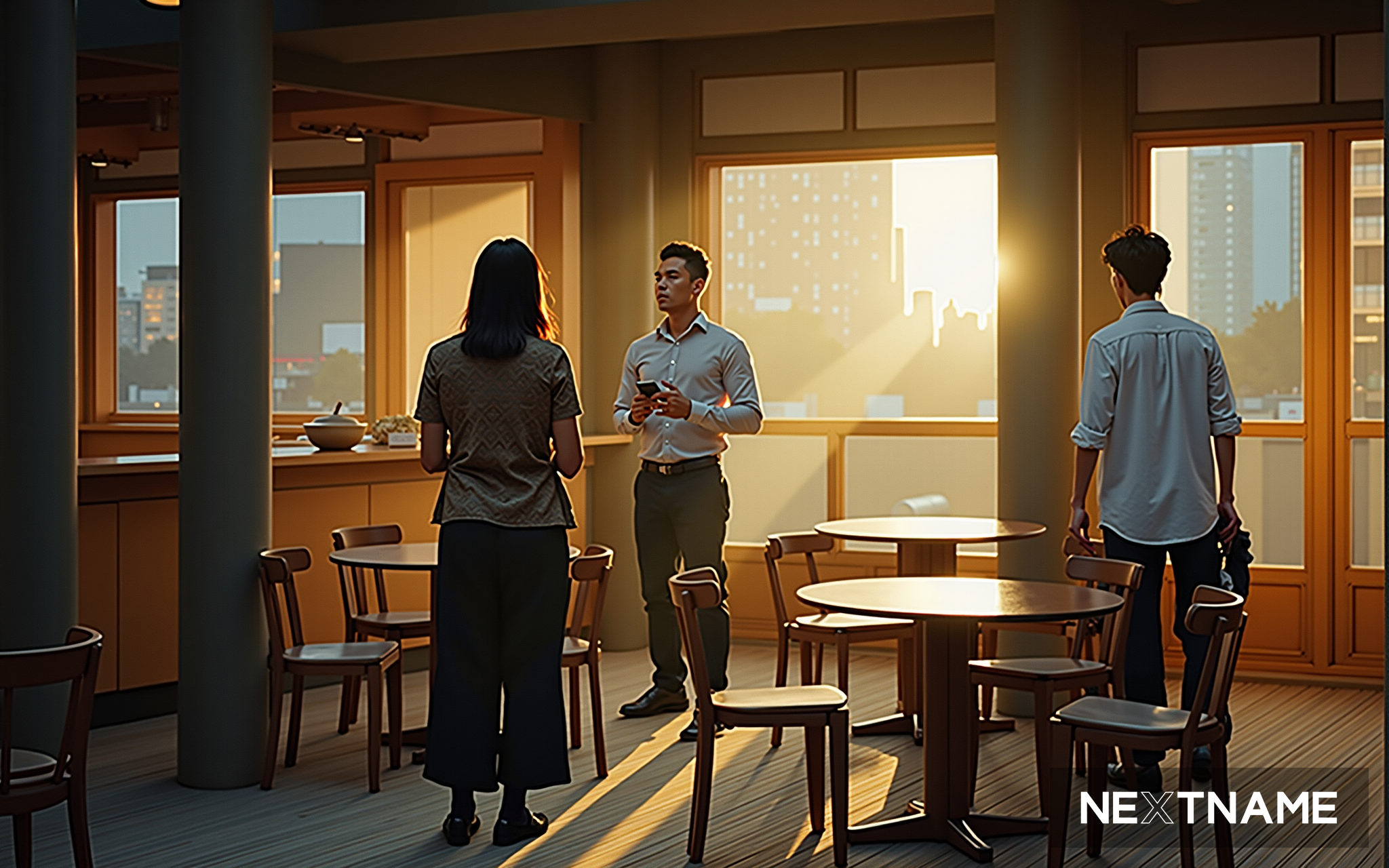
Stepping off the plane in Tokyo, Osaka, or Kyoto, you’ll notice that every small gesture is watched. Getting it right saves you embarrassment and often a polite nod from locals; getting it wrong can earn you a cold stare or a pointed comment. Below is a practical, number‑first rundown of the cultural norms that matter most for a first‑time traveler to Japan.
Onsen etiquette: soak like a local
- Shower first: You must rinse off all soap and water before entering the communal bath. Most facilities provide stools, buckets, and a handheld shower; spend about 2‑3 minutes washing.
- No towels in the water: Keep your small towel on the floor or on your head, but never dip it in the bath.
- Size matters: Small‑town onsen charge ¥300‑¥500 per person; resort onsen can be ¥1,200‑¥2,500 for a 90‑minute slot.
- When NOT to do this: If you have visible tattoos, many traditional onsen will deny entry. Some modern facilities allow tattoos if you cover them with a waterproof sheet, but check the signage first.
Temple and shrine rules: respect the sacred
- Silence zones: Speak in whispers, and never use your phone for calls inside the main hall. Phones are allowed only in designated areas.
- Photography: About 70 % of major shrines permit photography in the outer precincts, but 100 % forbid it inside the inner sanctum. Look for signs that say “撮影禁止”.
- Purification ritual: At the temizuya (water pavilion), scoop water with the ladle, rinse your left hand, then your right hand, and finally the ladle’s handle. Do this before entering the main hall.
- Cost: Most temples charge ¥300‑¥500 for admission; some, like Kinkaku‑ji, are ¥400 for adults.
Train etiquette: keep the ride smooth
- Priority seats: Yellow‑marked seats are reserved for seniors, pregnant women, and people with disabilities. You may sit there only if you belong to one of these groups.
- Phone volume: Set your phone to vibrate; talking on the phone is prohibited on most lines. If you must speak, keep it under 5 seconds and use earphones.
- Eating and drinking: On local trains, snacking is fine, but on Shinkansen and limited‑express services, only packaged foods and non‑alcoholic drinks are allowed. A typical bento box costs ¥800‑¥1,200.
- When NOT to do this: Do not place luggage on the seats. If you have a large suitcase, store it in the overhead racks or the designated luggage area; blocking aisles can incur a ¥2,000 fine on some private railways.
Shoes‑off culture: where and why
- Households and ryokan: Remove shoes at the entrance; slippers are provided. Expect to pay ¥2,000‑¥5,000 per night for a traditional ryokan stay, which includes a shoe‑free experience.
- Public facilities: Many museums, temples, and some restaurants require shoe removal at specific entrance mats. Look for a “靴除け” sign.
- Cost impact: If you forget to bring clean socks, you can buy a pair at a convenience store for ¥200‑¥300. Skipping this step can lead to staff politely asking you to leave.
Cash vs. card: the payment reality
- Cash dominance: About 80 % of small eateries, street vendors, and rural shops accept only cash. Carry at least ¥10,000 in small bills for daily purchases.
- Card acceptance: Major department stores, chain restaurants, and most hotels accept Visa, Mastercard, and JCB. Expect a 3 % surcharge on some card transactions.
- ATMs: 7‑Eleven, Japan Post, and some Lawson stores have 24‑hour ATMs that accept foreign cards; fees are ¥220 per withdrawal.
Table: Quick Reference for First‑Time Visitors
| Topic | Must‑Do (Cost) | Must‑Avoid (Potential Penalty) |
|---|---|---|
| Onsen entry | Shower before entering; ¥300‑¥500 | Bringing soap into the water (¥0 fine, embarrassment) |
| Temple photography | Outer area only; free | Shooting inside sanctum (possible ejection) |
| Train priority seats | Use only if eligible | Sitting without eligibility (¥2,000 fine) |
| Eating on Shinkansen | Packaged snacks only | Eating strong‑smelling foods (staff warning) |
| Cash usage | Carry ¥10k in small bills | Relying solely on card at small stalls (declined) |
| Shoe removal | Remove shoes at marked mats | Keeping shoes on inside (staff request to leave) |
Takeaway
Stick to these concrete rules, shower before the onsen, keep your phone silent on the train, and always have cash on hand, and you’ll navigate Japan’s etiquette without a hitch. Ignoring them isn’t just rude; it can cost you money or even get you turned away from places you’ve paid to enjoy. Follow the checklist, and your first trip will feel effortless, not awkward.